
Crown Perth and the cost of looking anywhere else in Western Australia
A punter searching for the best casino in Western Australia in 2026 is dealing with a market that is one venue wide. Crown Perth, in Burswood, is the only casino Western Australia has ever licensed, and every other answer that surfaces on a search results page is offshore. The Interactive Gambling Act 2001 prohibits offering online casino games to anyone in Australia. The Australian Communications and Media Authority (the ACMA) has issued a long trail of formal warnings, asked ISPs to block more than 1,750 illegal sites since November 2019, and watched more than 230 unlicensed services leave the Australian market since 2017. The legal product has shrunk to one building; the illegal one has not gone away.

Data current as of 28 October 2026 and cross-checked against the ACMA’s own warning and blocking request notices.
Table of Contents
- Games on the floor at Crown Perth
- The Crown Resorts shortlist for Western Australia, side by side
- What Crown Perth actually is, and what it costs
- The law behind the search
- ACMA enforcement — the trail since 2022
- Player wellbeing and where to get help
- The Crown Perth floor, in person
- Offshore brands the ACMA has named — what each name on the list actually is
- How fast Australia is losing ground to the offshore market
- What a bonus headline actually means here
- Frequently asked questions
- Other venues worth knowing
- Picking what to do, in WA
Games on the floor at Crown Perth
The gaming floor at Crown Perth runs roughly 2,500 gaming machines and up to 350 approved table games. “Pokies” is the local word for the machines; the table games cover baccarat, blackjack, roulette and craps under the standard international layout. Western Australia is the only Australian state that has never allowed poker machines in pubs or clubs — every legal pokie in WA sits inside the one building in Burswood.
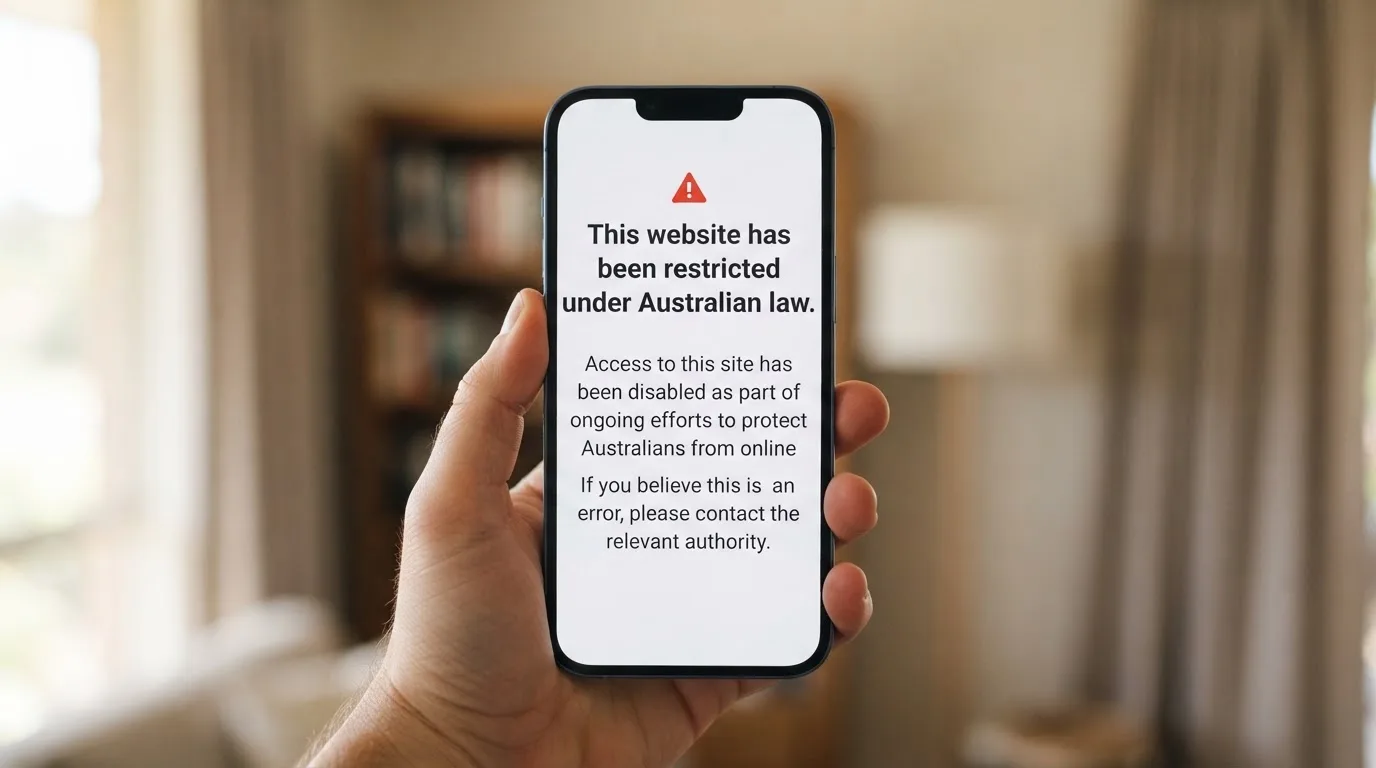
The state sets a minimum gaming-machine return-to-player rate of 90 per cent. There is no maximum-bet limit at Crown Perth, which makes the on-floor ceiling effectively whatever the player wants to stake at an empty credit meter. Adelaide Casino, by contrast, sits in a state where the general cap outside the venue is A$5.00 a spin and the machine floor minimum return is 87.5 per cent — a different regulatory frame, a tighter published ceiling. The Crown floor is the reverse: bigger advertised limits, a higher published machine floor, and the rest of the WA market closed by statute.
The wider catalogue is what one would expect of an Australian resort casino: blackjack on the main floor with standard rules, baccarat in the high-roller rooms, American and mini roulette, craps on a single dedicated table, and a slots product dominated by licensed multi-line machines and the standalone “poker machine” titles players know from the rest of the country. Live-dealer tables for baccarat and blackjack run into the small hours on weekends. Crown Perth does not publish game-level hold percentages on a public page; the figure a punter hears about a “96 per cent” machine is a return-to-player number, not a payout the venue promises to an individual. The house always has an edge, and the 90 per cent minimum in WA is the floor of that edge — not its average. The catalogue also shifts with refurbishments: the resort has rebranded parts of the gaming floor more than once since 1985, and the headline tally covers what the licence currently permits rather than what is on the carpet on any given Tuesday.
A practical reading. On the floor itself, a player who wants baccarat, blackjack or roulette will find them; a player hunting craps will find one table, which on a busy night is the only craps in the state. Pokies will be the densest offer, simply because the licence permits roughly seven times as many machines as tables. Anyone planning around specific limits — high-roller side bets, mini-baccarat at the casual end of the floor — should ring ahead.
The Crown Resorts shortlist for Western Australia, side by side
No shortlist of online casinos can be written for Western Australia in 2026 without saying what it is: a list the ACMA has acted against, not a ranking of usable products. Australia’s online casino market does not exist as a licensed category. The Interactive Gambling Act 2001, tightened by the Interactive Gambling Amendment Act 2017, makes it an offence to provide online casino games to anyone in Australia, and no state or territory issues a licence for the product.
What does exist is a list of brands the regulator has formally warned, fined or had ISPs block. The names below — 11 in total — are exactly that: services the ACMA has named in its own notices for offering prohibited products to Australians. They sit alongside each other here so a reader can see at a glance who the regulator has acted against, when, and through which operator entity, without mistaking them for offers to take up.
| Brand | ACMA action and date | Operator named by the ACMA | Subject support |
|---|---|---|---|
| RocketPlay | Formal warning, March 2026; earlier Dama N.V. warning May 2022 | Pulsup Ltd | — |
| Level Up Casino | Formal warning, May 2022 | Dama N.V. | Listings only |
| Woo Casino | Formal warning, March 2025 | Dama N.V. | Listings only |
| Spirit Casino | Formal warning, May 2025 | Dama N.V. | — |
| National Casino | Formal warning, July 2025 | Consolutetish S.R.L. | Listings only |
| Bizzo Casino | Formal warning, July 2025; earlier 2022 warning to TechSolutions | Consolutetish S.R.L. | — |
| Ignition Casino | Formal warning, July 2025 | Bamboo Media | — |
| Instant Casino | Formal warning, February 2025 | EOD Code SRL | — |
| Jackbit | Formal warning, April 2026 | Ryker B.V. | — |
| Casino Intense | Formal warning, April 2025 | Sterplay Holding Ltd | Listings only |
| Sky Crown | Formal warning, September 2022 | Hollycorn N.V. | Listings only |
The “Subject support” column is what third-party listings pages report about how each brand handles banking, game providers or similar subjects the reader might be weighing — it is not anything the ACMA found and not anything the brand itself states to an Australian. The cells carrying only an em dash are the brands whose third-party footprint for those subjects is too thin for any listing to summarise; absent a real value, the table leaves the cell blank rather than filling it with a guess. Nothing here is a recommendation. A brand not on this list is no safer than a brand on it, and a brand on this list is not “better” or “worse” than its neighbour in the table: every row points at an offshore operator the Australian regulator has decided is offering a prohibited service to Australians.
The resort venue the page is really about. Set against that whole offshore column, Crown Perth is the only line item a WA reader can actually walk into. Accommodation is on-site across three towers, the gaming floor is licensed and regulated by the Gaming and Wagering Commission of Western Australia, and the dispute path is the state’s own complaints process rather than an offshore terms page.
What Crown Perth actually is, and what it costs
Crown Perth sits on the Burswood peninsula, about five minutes’ drive from the Perth CBD across the Swan River. The complex is built around three hotels — Crown Towers Perth with 500 rooms, Crown Metropol Perth with 405, and Crown Promenade Perth with 291, taking the room total to 1,196 — plus a multi-level gaming floor, a theatre, several restaurants and a riverside bar scene that has been progressively refurbished since the late 2010s.
The property opened on 30 December 1985 as Burswood Island Casino. Ownership passed to Kerry Packer’s Publishing and Broadcasting Limited in 2004 and then to James Packer’s Crown Limited in 2007. The licensing history since has not been quiet. The Perth Casino Royal Commission’s final report, issued in March 2022, found Crown unsuitable to hold the WA casino licence and gave it two years under an independent monitor to return to suitability. In July 2025 the Gaming and Wagering Commission of Western Australia recommended Crown retain the licence, on the basis of remedial compliance changes to its corporate governance — a state regulator’s “you may keep operating” that is not the same as “you are exemplary”, and a reader who weighs this should know the regulator itself recorded cause for concern.
The cost side of the picture is sharper than the marketing. Western Australia sets a minimum gaming-machine return-to-player rate of 90 per cent, against Adelaide Casino’s 87.5 per cent minimum and a general A$5.00 cap elsewhere in South Australia. On paper that is the better deal for a slots player. It is also a minimum, not an average — the published 90 per cent is the floor a manufacturer can ship and the regulator is not vouching that an individual machine sits at that figure. Gaming in a venue with no advertised maximum stake means the player sets the ceiling on each machine themselves, which is exactly the condition under which a session can run away from a budget. Crown Perth does not publish a public summary of average stake or session duration on its floors; the venue expects the punter to set their own.
The two economic points a WA reader should hold before crossing the river. One: at the venue’s own licence, the minimum theoretical return is 90 per cent on a machine and the maximum stake is uncapped, so any “house edge” figure quoted is an average across the machine park rather than a guarantee at the box you happen to sit at. Two: the regulator that licensed the venue is the same one that found Crown unsuitable to run it four years ago and then confirmed compliance reform in 2025. Any advertising claim about Crown Perth — “Australia’s best”, “trusted destination”, “leading integrated resort” — should sit against a documented unsuitability finding before it is taken at face value.
The law behind the search
The Interactive Gambling Act 2001 is the spine of everything else on this page. It was tightened in 2017 by the Interactive Gambling Amendment Act 2017, and the combined effect is to make it an offence to provide online casino games, online pokies or in-play betting to a person who is physically in Australia. The IGA does not pursue the individual player; the prohibition bites at the provider. But that distinction does the reader no good at the cash-out desk. An offshore site the ACMA has named gives no Australian consumer protection, no local complaints body and no workable recourse if a withdrawal is refused — and a site can be blocked by an Australian ISP with the player’s balance still sitting on the platform.
What is actually licensed in Australia is wagering on races and sport placed before the event, lotteries and keno. In practice the bulk of Australia’s online bookmakers — Sportsbet, Bet365, Ladbrokes and others, 52 operators in total — are licensed in the Northern Territory through the Northern Territory Racing and Wagering Commission, which has no full-time staff and meets once a month in Darwin. That accounts for the licensed betting product a WA reader can use from home. It does not extend to casino games, regardless of what an offshore homepage promises.
Enforcement is real and it is recent. The ACMA’s June 2026 blocking round asked Australian ISPs to block a further twelve sites: 7Signs, ChromaBet, Donbet, Duospin, Freshbet, Slots Gem, Jacks Club, Lucky Start, Pointsbetz, Spinrise, Vinyl Casino and Wildsino. Across every round since the first blocking request in November 2019, 1,751 illegal gambling and affiliate marketing websites have been blocked in total. More than 230 unlicensed gambling services have left the Australian market since 2017, when the amended IGA strengthened the regulator’s hand. The published blocking figures are a running total; the published exit figures are a count of services that have decided the regulatory climate is no longer worth operating in.
H2 Gambling Capital’s 2025 estimate puts annual Australian losses to illegal gambling sites at about A$3.9 billion a year. The same report shows the share of gambling going through legal channels falling from 74 per cent in 2021 to 64 per cent — a ten-point swing in four years. Reading those two figures together tells a reader where the spending is moving: into offshore channels the regulator can name and block but not shut down. The legal share is still majority at 64 per cent, but the lost ten points is the real iGaming market the offshore pages are competing for in Australia.
Payments close off another front. Since 11 June 2024 the IGA regulations have banned credit cards, credit-related products and digital currency as payment for any licensed online wagering. Penalties run to A$247,500 for an operator taking an illegal payment. Legal deposit routes on a licensed wagering site are debit card, bank transfer, PayID/Osko and BPAY. A site that asks a WA player to fund an account with a credit card or a crypto transfer is operating outside the Australian rules, and that payment surface is itself a clean signal the product is offshore.
One reform sits just out of reach as of writing. The Interactive Gambling Amendment (Gambling Reform) Bill 2026 passed Parliament on 19 August 2026; its advertising and inducement measures commence on 1 January 2027. For the rest of 2026 the rules are still the 2017 prohibition regime plus the 2024 payment ban; from January next year the advertising and bonus-fronted inducements around offshore services will be regulated more tightly as well. A WA reader who reads an inducement this year is reading something that will be harder to publish next year.
ACMA enforcement — the trail since 2022
The ACMA’s published notices are the second clean signal, after the payment surface, of what an offshore site is. The trail below is every formal warning the research files name, in date order, with the operator entity attached. It is not exhaustive; the regulator publishes a running list, and several warnings against Dama N.V. alone are spread across multiple brands. It is the trail relevant to the eleven brands below the table.
In May 2022 the ACMA formally warned Dama N.V. over six brands at once: Bambet, Dazard, Level Up, Rocketplay, Wild Tornado and Cobra Casinos. A second round of warnings against Dama N.V. followed — Woo Casino in March 2025 and Spirit Casino in May 2025. In September 2022 the regulator warned Hollycorn N.V. over its Sky Crown and Blue Leo services. April 2025 brought a warning to Sterplay Holding Ltd over Casino Intense. February 2025 carried the EOD Code SRL warning over Instant Casino. July 2025 produced two warnings in one batch: Bamboo Media over Ignition Casino and Consolutetish S.R.L. over National Casino and Bizzo Casino — the latter having already been the subject of a 2022 warning against TechSolutions (CY) Group Limited and TechSolutions Group N.V. April 2026 added the warning to Pulsup Ltd over Rocketplay and the Ryker B.V. warning over Jackbit and CasinOK.
Reading the trail. Dama N.V. is not a one-off: a single operator group appearing under seven different brand front-ends over three years is exactly the pattern the ACMA’s blocking and warning regime was tightened to address. Hollycorn N.V. is the only operator in the list to have been the subject of a dedicated ACMA PDF naming two brands together, which signals a sustained pattern rather than a single rogue product. The TechSolutions lineage behind Bizzo Casino is the longest paper trail — a 2022 warning, a licence-renaming cycle, and then a 2025 warning against a new entity on the same brand, an arc the regulator has since walked through twice.
The constraint on the trail is what it cannot tell a reader. A formal warning is a regulatory letter, not a prosecution; penalties flow only if a brand ignores the warning and continues offering prohibited products. Several of the brands listed above have continued to accept Australian sign-ups during and after the warning. The relevant warning is the ACMA’s, named in the ACMA’s own publications; affiliate sites summarise the regulator’s text but are not the source.
Player wellbeing and where to get help
The legal side of the question is settled: Crown Perth is the licensed venue and offshore casino play is prohibited. The behavioural side is the part the marketing pages stay quiet on, and the part that materially shapes what a WA punter does at the venue.
The age floor at Crown Perth is 18. That matches the rest of Australia’s licensed gambling age. Anyone under 18 on the floor is a breach of the venue’s licence condition; the venue enforces it at the entry point, with photo ID checks after dark and at busy weekend peaks. Photography is restricted in the gaming areas, minors are not permitted in the formal gaming rooms, and dress standards vary by zone.
Self-exclusion is the line of defence a regulated market gives a punter. BetStop, the National Self-Exclusion Register, has been live since August 2023 and binds every Australian-licensed online and phone wagering service. A punter who registers with BetStop is matched across the bookmaker network and barred from placing bets for the period they choose. The scope is critical for a reader who has been considering offshore brands: BetStop binds Australian-licensed sites only. Offshore services are not connected to it. An Australian who has self-excluded is excluded from Sportsbet and Bet365 and Ladbrokes, not from the eleven brands on the table above. That asymmetry is the most concrete reason the regulatory frame matters to a punter who wants the protection available, and not just the licensing nicety.
In-venue exclusion at Crown Perth sits alongside the national register. The Gaming and Wagering Commission of Western Australia, through the Department of Local Government, Sport and Cultural Industries’ Racing, Gaming and Liquor division, runs the state-side controls. Crown Perth itself operates a venue-level self-exclusion process that bars the person from the floor for a chosen period, with photo matching on re-entry. Details of the exclusion period and the re-entry interview are set out on the Crown Perth responsible gambling page rather than on the ACMA’s.
Where to call. The National Gambling Helpline is 1800 858 858, free and open 24 hours, with online chat at Gambling Help Online. Anyone reading this page because they want to set a deposit ceiling, exclude themselves from a venue or talk through a session that did not go as planned should call that line. Lifeline is 13 11 14 for general crisis support; relationship-counselling and family support lines for someone whose gambling has affected others are listed on the Gambling Help Online portal.
Money and the ATO. Gambling winnings of a recreational player are not assessable income under section 6-5 of the Income Tax Assessment Act 1997 — a win is not a payslip — and gambling losses are not deductible. The exception is a person who carries on a business of gambling, which is a separate ATO test, and the practical advice is the same one Crown Perth’s responsible gambling page carries: check with the ATO or a tax adviser. Anyone reading offshore terms pages that promise untaxed wins should know that recreational gambling has effectively no Australian income-tax treatment on the player’s side either way; the regulation the player does lose in the offshore switch is consumer protection, payment safety and exclusion coverage, not taxation.
The Crown Perth floor, in person
The Burswood complex is on the southern side of the Swan River, across the Causeway from the CBD. Walking in: the formal gaming floor is upstairs from the main porte-cochère, with a single ID-check on entry. The dress code is relaxed in the main gaming areas and stricter in the premium rooms, which are signposted inside the venue rather than at the entry. Parking is on-site and covered; the venue runs a free shuttle to and from the city on weekends.
The rooftop bar at Crown Perth is the part of the venue that has been most actively rebranded over the last decade. It carries different names in different marketing periods; what has stayed the same is the open-air riverside location on the upper level of the resort, separate from the gaming floor. Public dining at the resort includes the high-end restaurants in the hotel towers and the more casual options on the gaming-floor periphery. None of these facilities is bundled with the gaming; they are paid for individually and are open to non-gaming guests.
Accommodation is a meaningful part of the “best casino in Western Australia” question, because a venue with three hotels and 1,196 rooms answers the accommodation part of the search result on-site. Crown Towers is the flagship; Crown Metropol the mid-tier resort hotel with the larger pool complex; Crown Promenade the more functional option with a slightly older fit-out. Beyond the on-site options, hotels on the Perth side of the river — across the Causeway in the CBD or in South Perth — are a five-to-fifteen-minute drive. There is no casino other than Crown Perth within a reasonable distance of Burswood: the next state over, South Australia has Adelaide Casino in the Adelaide railway station; Queensland now has The Star Brisbane at Queen’s Wharf after Treasury Casino closed on 25 August 2024. None of those is local to Perth.
Practical limits and what to check before walking in. ID at the door. Photo cameras off in the gaming rooms. A budget set before the floor is reached, since the venue has no enforced maximum stake and the casino does not see the punter’s bank balance. Exclusion available on request, with a venue-level interview. Anyone who has come from a session elsewhere where they were barred cannot walk into Crown Perth without being checked: the state-level exclusion register and the venue-level photo database cross-reference on entry. The simplicity of “one venue, licensed, accountable” is also the venue’s main value proposition against the offshore alternatives.
Offshore brands the ACMA has named — what each name on the list actually is
A short assessment of each brand, in the order set by the table. The page does not recommend any of them; the regulator’s action against each is the reason they appear at all. Anything that would be a “review verdict” inside the licensed market is, here, a description of what the regulator has done.
RocketPlay sits on a brand that was first pulled into the ACMA’s published warnings in May 2022, when Dama N.V. was warned over a half-dozen brands including Rocketplay, and then again in March 2026 with a fresh warning to Pulsup Ltd over Rocketplay. Two separate operator entities, several years apart, the same front-end consumer offering, and both rounds recorded on the ACMA’s own page. The brand’s own listings pages cover the usual deposit-bonus shaping, but the headline for a WA reader is that the regulator has now had to tell two separate parent companies what it told them before.
Level Up Casino is a Dama N.V. brand warned in May 2022. Dama N.V. is one of the most warned operator groups on the regulator’s recent files, with the May 2022 notice alone carrying six brands side by side. The listings pages that cover the brand summarise a standard deposit-gated welcome package and a multi-provider game lobby; nothing on those pages changes the legal status of the offer in Australia, which is that online casino games are prohibited.
Woo Casino drew a fresh Dama N.V. warning in March 2025, two and a half years after the original batch. This is the second round for the same operator group on the same brand name, which is the ACMA’s pattern for a group that has kept the brand up through new licencing shells. The brand’s third-party listings carry a standard bonus structure and a multi-provider lobby. For a WA reader the figure that matters is the warning date.
Spirit Casino is the third Dama N.V. brand in the list to be warned under the 2025 cohort. It surfaced in the ACMA’s published notices in May 2025 and has no separate Dama N.V. warning prior to that. The brand’s third-party profile is thin; the regulator’s warning is the only consistent published record.
National Casino carries a July 2025 warning to Consolutetish S.R.L., an operator entity that has not appeared in the regulator’s files before that warning under this name. The brand itself is a known name across affiliate pages — the listings pages cover a multi-provider catalogue and a typical deposit-bonus structure. The signal that matters is the fresh operator entity behind the brand, which is what the ACMA’s notice specified.
Bizzo Casino has the longest paper trail of any brand on the list: a 2022 warning against TechSolutions (CY) Group Limited and TechSolutions Group N.V., and then a July 2025 warning against Consolutetish S.R.L. under the same front-end. Two separate operators, three years apart, the regulator walking through the brand twice. The brand’s third-party footprint is too thin to summarise beyond the warning chain.
Ignition Casino came to the ACMA’s attention in July 2025 through a warning to Bamboo Media. Brand name, parent entity and warning date are all published on the regulator’s page. There is no published third-party summary of the brand’s payment surface in the research files for this page; the reader has the regulator’s notice and nothing else of substance from the listings ecosystem.
Instant Casino is one of the few brands on the list under a single operator entity other than Dama N.V. — EOD Code SRL, warned in February 2025. EOD Code SRL has not appeared in the regulator’s files in this research round outside this brand. The brand’s third-party footprint is thin.
Jackbit is the most recent addition to the ACMA’s warning list at the time of writing: a formal warning to Ryker B.V. in April 2026 alongside the same operator’s other front-end CasinOK. The warning chain here is short and new; the regulator acted on both brands in one notice.
Casino Intense was the subject of an April 2025 warning to Sterplay Holding Ltd. The brand’s third-party footprint covers a fairly typical multi-provider lobby. For a WA reader the operative fact is the warning date and operator entity.
Sky Crown was the focus of a dedicated ACMA PDF naming Hollycorn N.V. in September 2022, covering both Sky Crown and Blue Leo as services run by the same operator. The PDF is unusual in that it names two services at once; the regulator’s language is the brand-level notice rather than a generic operator warning. The brand’s third-party pages cover a standard deposit-gated welcome and a multi-provider lobby. The compliance signal here is the regulator’s more elaborate format around the warning.
A reading across the eleven. The list compresses to five operator groups: Dama N.V. behind four brands, Consolutetish S.R.L. behind two, TechSolutions behind the same brand through a renaming chain, Ryker B.V. behind one brand-with-a-pair, and one operator per brand across Hollycorn, Sterplay, EOD Code, Bamboo Media and Pulsup. The operator-rotation pattern under multiple brand names is the most consistent thing on the list, and it is the thing the ACMA’s blocking and warning regime was tightened to address. For a WA reader looking for the wider signal: the same Australian-facing offer can come back under a different brand by the next quarter, and the regulator’s published list is the most reliable way to follow what is being offered rather than who is offering it.
How fast Australia is losing ground to the offshore market
The arithmetic the page carries is the rate at which the regulator is blocking sites. As of June 2026, 1,751 illegal gambling and affiliate marketing websites had been blocked since the first blocking request in November 2019, and the ACMA’s June 2026 round added another twelve to the running total.
The blocking rate is the price of admission over almost seven years of enforcement. 1,751 sites over 80 months works out at roughly 22 sites blocked per month averaged across the lifetime of the regime; the actual monthly rate has been much higher in the rounds the regulator publishes and lower in the months without a published round. The more informative band comes from comparing the first-and-latest published windows. The first blocking request went in in November 2019; the ACMA’s enforcement output was negligible through 2020, grew sharply through 2022 as the new IGA powers settled, and is now averaging well into the double-digit-sites-per-round figure that the public blocking rounds show. A reader who treats “blocked” as a static number is missing the pace: the regulator is adding sites faster now than at almost any earlier point.
The condition on the figure is scope. The 1,751 figure counts sites that ISPs have been ordered to block at the Australian edge — illegal gambling services and affiliate marketing pages — and not every illegal gambling service is on the blocking list at any one time. Some services have already left the market under their own pressure (the 230-service exit figure since 2017); some have moved to mirror domains and the regulator is catching up. The band the figure belongs to is “what the ACMA has formally asked ISPs to block at the Australian edge”, not “every site that has ever offered prohibited products to Australians”.
The reading for the page is sharper than a single rate. The pace of blocking has been rising, but it is still well short of the pace at which new offshore brands appear, which is part of why the legal-channel share has fallen from 74 per cent to 64 per cent over four years. The two figures — fast rate of blocking, falling share of gambling through legal channels — describe the same problem: the regulator is faster than it has ever been, and it is still losing ground on the demand side. For a WA reader the practical reading is that an offer landing in an inbox tomorrow may not be on the blocking list next week, but the broader infrastructure that hosts it is the same one the regulator has been working through for years.
What a bonus headline actually means here
There is no Australian-licensed online casino bonus to consider in Western Australia, and the headline most of these offshore brands run is the same machine in different words. Industry data and academic studies routinely report that published return-to-player on a casino game is the theoretical long-run figure, and that bonus wagering requirements (commonly 35x to 50x of the bonus amount, sometimes higher) sit on top of the house edge. None of that changes under a different brand name. The regulator’s record shows that this is the part of the offer designed to attract players, and the regulator’s record on the payment side — the credit card ban and the digital currency ban for licensed wagering — is the rule this product is bypassing.
A reader who reads “up to A$500 + 200 free spins” on any of the eleven brands above has read the marketing of an offshore operator the ACMA has named. The exact bonus terms matter less than the regulatory frame around them. Without an Australian dispute body, with the payment surface restricted, and with the blocking authority live, an advertised “free spins” package is not the win it reads as. The 90 per cent minimum return on a pokie at Crown Perth is a published number attached to a published venue; an offshore bonus number is a marketing word attached to no Australian entity at all.
A useful way to read any offshore bonus line. The marketing word is the headline. The number after it is what the platform promises. The regulator’s record behind it is the truth of who is actually offering it. The math is the same on every brand in the list, and none of it is unique to any one of them.
Frequently asked questions
Is online casino gaming legal in Western Australia?
No. Under the Interactive Gambling Act 2001, it is an offence to provide online casino games, online pokies, or in-play betting to anyone physically in Australia. No state or territory licenses online casino products; all such services targeting Australians are operating illegally and are subject to blocking by the ACMA.
Can I use the National Self-Exclusion Register for offshore casinos?
No. BetStop, the National Self-Exclusion Register, binds only Australian-licensed online and phone wagering services. Because offshore casinos are not licensed in Australia and operate illegally, they are not connected to BetStop. An Australian who self-excludes remains protected on legal local bookmakers but not on any offshore gambling sites.
Where can I find help if gambling becomes a problem?
The National Gambling Helpline (1800 858 858) is free, confidential, and available 24/7. You can also access support through Gambling Help Online for chat services. These resources provide professional counselling and advice for anyone affected by gambling, regardless of whether the gambling occurred at a licensed venue or an illegal site.
Are my winnings from an offshore casino taxable?
Generally, recreational gambling winnings in Australia are not assessable income, and losses are not deductible, regardless of where you play. However, this tax treatment does not validate the legality of the activity. Offshore sites lack Australian consumer protections, payment safety, and dispute resolution, which poses a far greater risk than the taxation issue.
Why does the ACMA block so many offshore gambling sites?
The ACMA blocks these sites to enforce the Interactive Gambling Act 2001 and protect Australians from unlicensed gambling services. These offshore operators offer prohibited products and lack any local accountability. Blocking prevents access to these illegal services, reducing the harm caused by unregulated sites that have no local complaints body or recourse.
Other venues worth knowing
A reader who has searched beyond Perth is reading past the WA answer. Adelaide Casino (commercial name SkyCity Adelaide until 2009, then back to Adelaide Casino) sits in the heritage-listed Adelaide railway station building on North Terrace, runs 90 gaming tables and 950 gaming machines, and is the only licensed casino in South Australia under the Casino Act 1997. The Casino Act licence formalised on 11 October 2013 extended Adelaide Casino’s table-game monopoly to 30 June 2035 and allowed expansion to up to 200 gaming tables and 1,500 gaming machines subject to redevelopment. The A$330 million Riverbank precinct redevelopment (2015 to 2021) added the EOS by SkyCity tower with 120 hotel rooms and expanded gaming space. Adelaide Casino paid more than A$41 million in taxes and charges to the state in the 2007-08 financial year. South Australia outside Adelaide Casino had 11,672 gaming machines in 471 venues in September 2023, with gaming-machine losses around A$0.92 billion in 2022-23, or roughly A$497 per adult — a different per-adult loss profile from WA, and a different regulatory frame (minimum machine return 87.5 per cent, general A$5.00 cap).
Brisbane’s Treasury Casino closed on 25 August 2024 to make way for The Star Brisbane, which opened the A$3.6 billion Queen’s Wharf Brisbane precinct on 29 August 2024. Treasury had run a three-level gaming emporium of 80 gaming tables and over 1,300 gaming machines, plus a hotel, six restaurants, five bars and a nightclub; the new property is jointly developed with Chow Tai Fook Enterprises. Queensland as a whole had 21,122 gaming machines in 351 venues in October 2023. The opening round at Queen’s Wharf was complicated by Star Entertainment Group’s licence concerns, which is one of the rare points where a regulator’s view of an operator was pending at opening rather than resolved. None of this matters to a WA reader except as a comparison: WA’s licensed casino is one venue, South Australia’s is one venue, Queensland’s is one venue with a recent switchover.
The closest related venue outside Crown is Crown Melbourne, on the south bank of the Yarra, but it is a different state’s licence and was similarly caught up in the 2022-2023 Royal Commission wave. A WA punter looking for an interstate option has one of the three above; a WA punter looking for an online option has none of them — the Interactive Gambling Act 2001 is a federal law, not a state law, and the prohibition follows the player across the country.
Picking what to do, in WA
For a reader who lives in or is visiting Western Australia, the choices are simple and smaller than the search results imply. The licensed product is Crown Perth: 18 and over, photo ID at the door, gaming floor regulated by the Gaming and Wagering Commission of WA, exclusion available, dispute path available. The unlicensed product is every offshore brand with a marketing page and an Australian-facing offer, including the eleven named above. The legal status is decided for the reader before they look at the offer.
For a reader who wants the gambling product in a regulated frame, the only regulated frame in WA is Crown Perth. The house edge on a 90-per-cent-minimum pokie is what it says; the venue has no maximum stake and the player sets the ceiling. The protection is real — BetStop for online wagering, venue exclusion for the floor, the state regulator for a complaint — and that is what the licensed frame buys the punter, not a higher return.
For a reader who has been weighing the offshore alternatives against Crown Perth, the decision is one the regulator has already made for them. The ACMA’s record names the brands; the Interactive Gambling Act 2001 prohibits the offer; the regulator’s record of blocking, warnings and enforced exits shows what the regulator’s policy actually is. Whether the offshore offer looks better on the page is not a question the WA market lets the reader answer.
The non-gambling reason to visit Crown Perth remains. The venue is a Perth landmark, the rooftop bar is open to non-gaming guests, the restaurants and the three hotels are a destination on their own, and a partner who does not gamble is not stranded on the floor. That part of the experience is unregulated and undimmed by the regulator’s paperwork — and it is the only part of the venue the page can recommend without breaching its own scope.