
Solana casinos compared for Australian readers: the fees, the speed, and the licence no one has
A reader searching for a Solana casino comparison in Australia is not really looking for ten brands ranked against each other. The deeper question is what choosing Solana over a bank transfer, PayID or BPAY actually changes once a deposit is in flight, and whether any of the offshore brands accepting SOL are operating inside Australian law. The honest answer to the second question is no — no state or territory licenses online casino games or pokies for Australian residents, so every brand in any comparison like this one sits outside the Interactive Gambling Act 2001 framework. That fact does not make the speed and fee comparison useless. It makes the cost calculation the whole point, because the reader is weighing one payment rail against another for a product that is, regardless of rail, illegal to supply here.
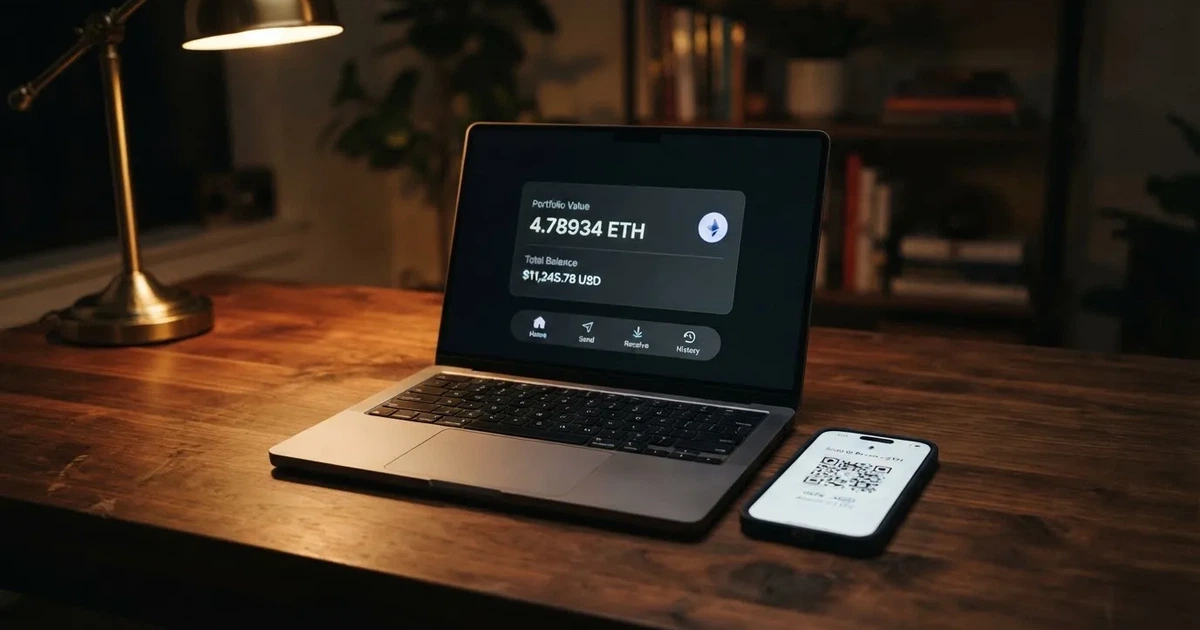
Figures and licence claims on this page are verified against the ACMA’s published enforcement record as of 18 October 2026, with rate and supply figures checked against Solana’s own published documentation.
Table of Contents
- The shape of the offshore Solana casino market in Australia
- What Solana actually does to a casino deposit
- What Solana does not change: the licence
- How fast a Solana deposit really is, against a bank transfer
- Cost of moving money in: the fees a player actually pays
- Responsible play: the supports an Australian can actually use
- The blocking rate as a measure of the market
- The eleven operators the ACMA has named
- RocketPlay — Pulsup Ltd’s brand after the May 2022 Dama N.V. warning
- Level Up Casino — Dama N.V. from the May 2022 warning round
- Woo Casino — the March 2025 Dama N.V. warning
- Spirit Casino — the May 2025 Dama N.V. warning
- National Casino — Consolutetish S.R.L. from July 2025
- Bizzo Casino — Consolutetish S.R.L. in July 2025, TechSolutions in 2022
- Ignition Casino — Bamboo Media from July 2025
- Instant Casino — EOD Code SRL from February 2025
- Jackbit — Ryker B.V. from April 2026
- Casino Intense — Sterplay Holding Ltd from April 2025
- Sky Crown — Hollycorn N.V. from September 2022
- Reading the table across
- What the comparison does not and cannot include
- Putting the cost next to the speed
- Practical steps for a reader who has decided to play offshore
- The support services that do work in Australia
- Closing the comparison
- Frequently asked questions
The shape of the offshore Solana casino market in Australia
There is no licensed Solana casino in Australia. The market a comparison like this one actually maps is the set of offshore brands that accept SOL deposits and accept Australian players in practice — that is, until the Australian Communications and Media Authority (ACMA) asks local ISPs to block them. The set is fluid for two reasons that work in opposite directions: new brands appear, and the ACMA’s blocking list grows. As of June 2026 the ACMA reported that a total of 1,751 illegal gambling and affiliate marketing websites had been blocked since the first blocking request in November 2019, and more than 230 unlicensed gambling services had left the Australian market since enforcement was strengthened in 2017. The June 2026 round alone added twelve more domains — 7Signs, ChromaBet, Donbet, Duospin, Freshbet, Slots Gem, Jacks Club, Lucky Start, Pointsbetz, Spinrise, Vinyl Casino and Wildsino — and the year before it had warned Rocketplay directly, in March 2026. H2 Gambling Capital’s 2025 estimate puts Australians’ losses through illegal sites at roughly A$3.9 billion a year, with the legal share of total gambling falling from 74% in 2021 to 64% in that report. Read those three numbers together and the picture is a regulator catching up to a market that keeps refilling behind it.

For a comparison page, that picture sets the frame. The eleven brands reviewed below are not a “top eleven”. They are the operators the ACMA itself has named in published formal warnings — a list the regulator publishes, not a list the page assembles. Each warning names the corporate entity behind the brand, the date the warning was issued, and the section of the Interactive Gambling Act 2001 the ACMA says has been breached. The ACMA’s stated reason for each warning is that the operator has been offering prohibited interactive gambling services to people physically in Australia. None of these operators has an Australian licence for casino games or pokies, whatever licence page sits at the footer of the site — a Curacao or Anjouan registration is a hosting jurisdiction, not a consumer protection regime an Australian player can complain to.
The comparison that follows is therefore not a buyer’s guide. It is a record of what these brands claim, what the regulator has said about them, and what that combination costs a player who decides to use them anyway.
What Solana actually does to a casino deposit
Solana is a public blockchain launched in March 2020, six years after Bitcoin’s genesis block in January 2009, and its design choice was always throughput. Solana’s own documentation describes a Proof of History timestamping technique combined with proof-of-stake consensus, and targets an 800-millisecond block time — three orders of magnitude faster than Bitcoin’s roughly ten-minute average, which is itself probabilistic rather than guaranteed. The cost the network asks for that speed is hardware-grade validators and no hard supply cap: SOL has an initial annual inflation rate of 8%, disinflating by 15% each year until it stabilises at a long-term rate of 1.5%, which is unusual among retail-traded cryptocurrencies.
For a casino deposit specifically, three properties follow from that design.
Speed. A Solana transaction typically confirms in seconds, not minutes. Solana’s own August 2026 roundup reported record transaction numbers, around A$4 billion in tokenised real-world assets on the network, and growing stablecoin payments — and the company advertises payment-channel infrastructure able to handle a million payments per second by authorising agent spending once. Compare that with a standard bank transfer, which on Australia’s New Payments Platform (PayID/Osko) settles in under a minute between participating banks but still depends on the receiving casino’s bank queue and its own KYC step. In practice the bottleneck on the casino side is the operator’s deposit processing window, not the rail, and Solana’s edge shows up most when a player moves funds between wallets at the same pace a slot spin takes.
Fee. Solana’s per-transaction fee is a small fraction of a cent in normal conditions, compared with the few dollars that Bitcoin or Ethereum mainnet fees can reach under congestion. Bitcoin Cash targets the same retail-friendly fee profile (“under a penny”, confirmations in minutes, with a 21-million supply cap), and Ethereum layer-2 networks have compressed fees in similar territory. The takeaway is that Solana is not uniquely cheap — it is part of a cluster of cryptocurrencies that treat sub-cent fees as table stakes. What separates the casino experience is the absence of a card surcharge, not the size of the network fee itself.
Confirmation. “Confirmed” on Solana still means the receiving wallet has accepted the transaction; it does not mean the casino has credited the balance, processed the deposit, or run a sanctions screen. The confirmations are necessary but not sufficient. Offshore casinos credit SOL deposits only after their own internal checks, and the time between wallet confirmation and playable balance is set by the operator.
These three properties answer why any brand supports SOL specifically. The cost saving is genuine but small, the speed gain is real but bottlenecked at the operator, and the underlying network is one of several rather than the only choice. A comparison page that frames Solana as uniquely cheap or uniquely fast is selling a marketing line that the rest of the crypto market has matched.
What Solana does not change: the licence
The legal status of any online casino offered to an Australian resident does not depend on which cryptocurrency the cashier accepts. Under the Interactive Gambling Act 2001 as strengthened by the Interactive Gambling Amendment Act 2017, it is an offence to provide online casino games, online pokies or in-play betting to a person in Australia. The only gambling products that can be lawfully supplied over the internet to Australians are pre-event sports and race wagering, lotteries and keno — and in practice the Northern Territory Racing and Wagering Commission (NTRWC) licenses 52 online bookmakers, including Sportsbet, Bet365 and Ladbrokes, in the Territory largely for tax reasons. The NTRWC has no full-time staff and meets once a month in Darwin, a structural detail that explains why offshore brands find Australia an easy market to enter and a hard one for the regulator to police.
Solana does not get the operator around this. The Interactive Gambling Amendment (Gambling Reform) Bill 2026 passed Parliament on 19 August 2026, with its advertising and inducement measures commencing 1 January 2027; that is law with a start date, not law in force on a 2026 page. Payment-side regulation is already in force: credit cards, credit-related products and digital currency have been banned as payment for licensed online wagering since 11 June 2024, with penalties up to A$247,500 for operators. The deposit routes that remain legal for licensed wagering — debit card, bank transfer, PayID/Osko and BPAY — are exactly the routes an offshore Solana casino cannot use. A site that asks an Australian player for a credit card or a crypto deposit is, by that fact, operating outside the licensed wagering framework. The Australian Taxation Office treats crypto assets such as SOL as property for CGT purposes — disposing of, exchanging or spending SOL is a CGT event — and from 1 July 2027 the current flat 50% CGT discount for assets held over 12 months is replaced by CPI indexation of the cost base plus a 30% minimum tax rate on net capital gains. A recreational gambler’s casino winnings are not assessable income under section 6-5 of the ITAA 1997 and losses are not deductible, unless the ATO treats gambling as the person’s business.
For an Australian depositing at an offshore Solana casino, the practical consequences of all this are four:
- No consumer protection. The ACMA acts against operators, not against players. There is no Australian complaints body, no Australian dispute resolution scheme, and no recourse if a withdrawal is refused, a bonus is voided, or the site simply disappears. The licence an offshore casino displays — typically Curaçao or Anjouan — is a hosting jurisdiction’s permission to operate, not a consumer protection contract an Australian can enforce.
- Balance risk on blocking. When the ACMA directs ISPs to block an illegal site, the player’s balance does not transfer. H2 Gambling Capital’s estimate that the share of gambling going through legal channels fell from 74% in 2021 to 64% sits beside the regulator’s count of 1,751 blocked domains; that pair is what a blocked balance looks like in aggregate.
- No BetStop coverage. BetStop, the National Self-Exclusion Register, has been live since August 2023, but it binds only Australian-licensed online and phone wagering services. An offshore casino is not connected to BetStop and a self-excluded Australian can still create an account there.
- Tax record-keeping. The ATO treats SOL as property, so every deposit, withdrawal, swap and in-game conversion is a CGT event the player is expected to track. The casino is not reporting to the ATO on the player’s behalf.
None of these consequences is altered by which cryptocurrency the cashier accepts. The crypto choice affects fees, speed and a handful of refund mechanics; it does not move any of the four points above. A “Solana casino comparison” that does not name this is one a reader cannot use.
How fast a Solana deposit really is, against a bank transfer
A reader weighing SOL against PayID or BPAY needs the comparison in seconds, not in marketing language. On Solana’s published 800-millisecond block time, a transaction confirms in well under a minute in normal network conditions. On PayID/Osko, the same transfer settles in under a minute between participating banks, often in seconds. On BPAY, settlement typically takes one to two business days. On a standard bank transfer, anywhere from a few hours to overnight.
What that means in practice is that Solana and PayID are in the same band for the deposit leg, and both are well ahead of BPAY or a standard transfer. The relevant question for a casino deposit is which rail credits the playable balance first, and the answer is whichever operator runs the faster back-end. An offshore Solana casino with a manual confirmation queue can take hours; an Australian-licensed bookmaker on PayID with automated processing credits in seconds. The comparison a reader needs is operator-versus-operator on credit time, not network-versus-network on block time.
For an Australian resident using a licensed bookmaker — which is the only legal path — the rail choice is constrained to debit card, bank transfer, PayID/Osko and BPAY. Crypto is not on that list. For an Australian resident using an offshore casino, the rail choice is set by whatever the cashier accepts, and Solana is one of several fast options, not a uniquely fast one.
Cost of moving money in: the fees a player actually pays
Solana’s per-transaction fee is small enough that a single deposit’s network cost rounds to nothing for a player. Bitcoin’s fee is the contrast case: variable, sometimes a few dollars, and the reason many offshore casinos now steer players towards Bitcoin Cash or layer-2 Ethereum. Bitcoin Cash targets “under a penny” fees and minutes-long confirmations, with a 21-million supply cap and a 32-megabyte block size limit raised from 8 megabytes in 2018.
The casino’s own fee structure sits on top of the network fee. Most offshore brands advertise “no deposit fee” but take the spread on the SOL-to-fiat conversion, or charge a flat withdrawal fee in SOL that covers the network cost and the operator’s margin. The comparison that matters to the player is therefore total in-and-out cost, not the network’s per-transaction fee alone, and research does not carry brand-level fee figures that would let this page state them. What research does support is the qualitative claim: the network fee for SOL, BCH and similar cryptocurrencies is small enough that a brand’s quoted fee is almost certainly the operator’s margin, not a pass-through.
Responsible play: the supports an Australian can actually use
The offshore brands reviewed here are not connected to Australian player-protection frameworks. BetStop, the National Self-Exclusion Register, binds Australian-licensed online and phone wagering services only; an offshore casino is outside that perimeter. The Australian National Gambling Helpline is 1800 858 858, free, 24/7, with chat at Gambling Help Online. Both services are open regardless of which casino a player has been using, and both are funded to support people who decide to stop.
The framing that matters here is that an offshore Solana casino does not see these services as part of its responsibility. The brand’s own responsible-gaming page, where it has one, runs alongside the cashier’s crypto options rather than alongside the local self-exclusion register. A reader who has signed up to BetStop, or who would consider it, has not closed the door at an offshore brand — that brand was never on the register. The Helpline is the first port of call for anyone reading this page and recognising the signs in their own play.
The blocking rate as a measure of the market
This page estimates the rate at which the ACMA’s blocking list has grown. This calculation provides context on the scale of enforcement; the result is a band with its condition, never a single figure.
The running total of blocked sites is 1,751 as of the ACMA’s June 2026 figure, reported on 26 June 2026. The first blocking request was in November 2019. From November 2019 to June 2026 is roughly six and a half years, or 79 months. The arithmetic is 1,751 ÷ 79 ≈ 22 blocked sites per month on average across the full window.
The figure to quote is a band, not a point: across the full enforcement window, the ACMA has averaged roughly 22 blocked sites per month, but in active rounds the same regulator has asked ISPs to block a dozen at once, which is half a year of the long-run average in a single decision. The shape of the curve is uneven: months of zero, then a multi-site blocking round, then another quiet stretch. The condition is the window — November 2019 to June 2026 — and outside that window the figure does not generalise. From 2017, when enforcement was strengthened, more than 230 unlicensed gambling services have left the Australian market entirely, which is a different measure (voluntary exits) layered on top of the blocking count. Read together, the blocking rate is the floor, not the ceiling: every blocked domain is a domain the ACMA caught, and the regulator’s own count of operators that have withdrawn is on top.
The eleven operators the ACMA has named
The table below lists the eleven brands reviewed here, in the order research sets, with the ACMA action the regulator has published against each and the support each lists for Solana deposits. “No-data” means the brand is not named in research as carrying SOL support; the brand appears on its other published record. The table is a record of what the regulator has said and what the brand itself claims, not a ranking and not a recommendation.
| Brand | ACMA action and date | Operator named by the ACMA | Subject support |
|---|---|---|---|
| RocketPlay | Formal warning, March 2026 (Pulsup Ltd); earlier May 2022 (Dama N.V.) | Pulsup Ltd; Dama N.V. | No-data |
| Level Up Casino | Formal warning, May 2022 | Dama N.V. | No-data |
| Woo Casino | Formal warning, March 2025 | Dama N.V. | Listings-only |
| Spirit Casino | Formal warning, May 2025 | Dama N.V. | No-data |
| National Casino | Formal warning, July 2025 | Consolutetish S.R.L. | Listings-only |
| Bizzo Casino | Formal warning, July 2025 (Consolutetish); earlier 2022 (TechSolutions) | Consolutetish S.R.L.; TechSolutions | No-data |
| Ignition Casino | Formal warning, July 2025 | Bamboo Media | No-data |
| Instant Casino | Formal warning, February 2025 | EOD Code SRL | No-data |
| Jackbit | Formal warning, April 2026 | Ryker B.V. | No-data |
| Casino Intense | Formal warning, April 2025 | Sterplay Holding Ltd | No-data |
| Sky Crown | Formal warning, September 2022 | Hollycorn N.V. | No-data |
What the table shows at a glance is that the ACMA’s enforcement cuts across the offshore market rather than targeting one operator, and that the same corporate entities appear behind multiple brands — Dama N.V. alone accounts for four of the eleven warnings, and Consolutetish S.R.L. accounts for two. Two of the eleven brands have “listings-only” Solana support, which means research found the brand named in third-party lists but did not confirm the brand itself publishing SOL support; the other nine have no-data on Solana and are listed only because the regulator has acted against them. The table is the comparison the page is built around.
RocketPlay — Pulsup Ltd’s brand after the May 2022 Dama N.V. warning
RocketPlay was named in a fresh ACMA formal warning in March 2026 against Pulsup Ltd, following the earlier May 2022 warning to Dama N.V. that covered six casino brands including RocketPlay. The brand is therefore on the regulator’s record twice, and the operator behind the URL has changed at least once between those warnings — a corporate reshuffle that does not reset the underlying breach. Research carries no confirmation that RocketPlay itself publishes Solana support; the brand appears in this page because the regulator has acted, not because the cashier is well-documented.
The cost to a player using RocketPlay from Australia is not the deposit fee — it is the absence of an Australian complaints body, the balance exposed to a fresh blocking round, and the CGT record-keeping the ATO expects on every SOL movement. The case for using RocketPlay at all is the case the operator makes on its own pages, and the regulator’s view of that case is on the record.
Level Up Casino — Dama N.V. from the May 2022 warning round
Level Up Casino was named in the ACMA’s May 2022 formal warning to Dama N.V., the same round that covered Bambet, Dazard, Rocketplay, Wild Tornado and Cobra Casinos. Research carries no Solana-specific support for the brand, and the operator behind the URL is the same Dama N.V. that the ACMA has now warned three further times — over Woo Casino in March 2025 and Spirit Casino in May 2025. A player weighing Level Up Casino against the other Dama N.V. brands is weighing them against the same operator with the same regulator’s view of it.
Woo Casino — the March 2025 Dama N.V. warning
Woo Casino was named in the ACMA’s March 2025 formal warning to Dama N.V. Research carries Woo Casino as “listings-only” for Solana support — the brand is named in third-party sources but the operator’s own materials are not confirmed to list SOL in this research. The same operator Dama N.V. has been warned four times across this page, and the third-party listing does not change that the cashier sits outside the Australian framework.
Spirit Casino — the May 2025 Dama N.V. warning
Spirit Casino was named in the ACMA’s May 2025 formal warning to Dama N.V., the most recent Dama N.V. warning in research. Research carries no Solana-specific support for Spirit Casino. The brand shares its operator with four other warnings on this page, and the regulator’s record on the operator is the headline.
National Casino — Consolutetish S.R.L. from July 2025
National Casino was named in the ACMA’s July 2025 formal warning to Consolutetish S.R.L. alongside Bizzo Casino. Research carries National Casino as “listings-only” for Solana support, on a third-party source. The operator is the same as Bizzo Casino’s, and the regulator’s record is shared.
Bizzo Casino — Consolutetish S.R.L. in July 2025, TechSolutions in 2022
Bizzo Casino has two entries in the ACMA’s record: a July 2025 formal warning to Consolutetish S.R.L. and an earlier 2022 formal warning to TechSolutions (CY) Group Limited and TechSolutions Group N.V. The corporate history behind the brand has crossed operators, and the regulator has followed the brand across both. Research carries no Solana-specific support for Bizzo Casino. The cost a player faces using Bizzo Casino is the cost of being on a regulator’s record twice and on two operators’ records.
Ignition Casino — Bamboo Media from July 2025
Ignition Casino was named in the ACMA’s July 2025 formal warning to Bamboo Media. Research carries no Solana-specific support for Ignition Casino. The brand name is borrowed from a long-established US-facing poker room, and the operator behind the URL serving Australian players is Bamboo Media, not the US business — a distinction that affects which regulator’s reach extends to which player.
Instant Casino — EOD Code SRL from February 2025
Instant Casino was named in the ACMA’s February 2025 formal warning to EOD Code SRL. The regulator’s view is the most recent available research on the operator; the brand’s own material is not the source for that view. Research carries no Solana-specific support for Instant Casino.
Jackbit — Ryker B.V. from April 2026
Jackbit was named in the ACMA’s April 2026 formal warning to Ryker B.V., alongside CasinOK. Research carries no Solana-specific support for Jackbit. The operator appears twice in the ACMA’s April 2026 warning round, and the regulator’s record on the operator is fresh.
Casino Intense — Sterplay Holding Ltd from April 2025
Casino Intense was named in the ACMA’s April 2025 formal warning to Sterplay Holding Ltd. Research carries no Solana-specific support for Casino Intense.
Sky Crown — Hollycorn N.V. from September 2022
Sky Crown was named in the ACMA’s formal warning to Hollycorn N.V., published in September 2022, alongside Blue Leo casino. The Sky Crown warning is the oldest in this page’s set, and the brand has been on the regulator’s record the longest. Research carries no Solana-specific support for Sky Crown.
Reading the table across
Three patterns jump out of the table above. First, the ACMA’s record cuts across operators rather than focusing on one: eleven brands, ten different operator names, and one operator (Dama N.V.) covering four of them. Second, the brand-level information about Solana support is thin — research confirms SOL support only as listings-only at Woo Casino and National Casino, and no-data at the other nine. Third, none of the operators has an Australian licence for casino games or pokies, regardless of the licence page the site displays. The comparison the table supports is therefore a regulatory comparison, not a feature comparison: the regulator’s view of the operator is the only comparison this page can make cleanly.
The cost a player pays for choosing any of these eleven brands is, in the first instance, the absence of an Australian consumer-protection framework. The cost of choosing one with no-data Solana support over a listing-only SOL brand is the cost of relying on third-party lists rather than the operator’s own cashier. The cost of choosing one with a fresh ACMA warning over one with an older warning is the cost of being closer to the next blocking round. None of those costs shows up on the cashier page.
What the comparison does not and cannot include
A reader coming to a “Solana casino comparison” page in Australia often expects a table of deposit bonuses, wagering multiples and game counts. None of those figures appear here, because research carries no clean data on them from non-affiliate sources. The affiliate marketing pages a comparison page normally leans on are exactly the pages the ACMA has acted against repeatedly, and using them as a primary source would recycle the marketing the regulator has warned about. What this page can compare is the ACMA’s record, the operator behind each brand, and the brand’s own published position on Solana — three things a regulator’s website, the brand’s own terms page and a third-party listing can all show.
The cost of using an offshore Solana casino is therefore not measured in bonus value or wagering multiples, because those are precisely the figures the marketing pages that supply them have been warned about. It is measured in whether the site is reachable from Australia today, whether the player’s balance is exposed to the next blocking round, whether the ATO expects a CGT record on every SOL movement, and whether the player has any Australian body to complain to if the withdrawal is refused. None of those costs changes with the cryptocurrency in the cashier, and none of them is a fee in the per-transaction sense.
Putting the cost next to the speed
For an Australian resident who has decided to use an offshore Solana casino regardless of the legal status, the comparison that remains is between the payment rails. On that comparison Solana is fast but not uniquely so — PayID/Osko and Bitcoin Cash are in the same band — and cheap but not uniquely so. What Solana does add is a rail that the licensed Australian bookmakers cannot use, and that asymmetry is exactly the reason the ACMA’s enforcement extends to offshore SOL deposits rather than to PayID or BPAY.
The practical question a reader faces is whether the speed and fee advantage of SOL on the deposit leg outweighs the four costs above. For most readers the answer is no, because the four costs do not scale with the deposit size. A A$100 SOL deposit and a A$1,000 SOL deposit each carry the same risk of a blocked balance, the same absence of an Australian complaints body, and the same lack of BetStop coverage. The fee saved is sub-cent either way. The comparison the page is built around is the comparison that exposes that.
Practical steps for a reader who has decided to play offshore
A reader who has read the four costs above and decided to proceed anyway has a short list of practical questions that the regulator’s record does not answer for them. First, what is the operator’s current status — has it been warned, blocked, or both, and is the warning recent? The ACMA publishes both lists. Second, what is the brand’s own cashier page say about SOL support — is the support listed by the brand itself, or only by third parties? The table above flags this distinction explicitly. Third, what is the operator’s policy on withdrawals in SOL — the deposit side of the comparison is fast, and the withdrawal side is where most player disputes sit. Fourth, what does the ATO expect in terms of CGT records on every SOL movement, and is the player keeping those records?
Each of those questions is answerable from outside the casino’s own pages. None of them is answered by a Solana-vs-Bitcoin speed test. The page’s job ends here.
The support services that do work in Australia
For readers who recognise in their own play the signs that need addressing, the supports that work are the Australian ones. BetStop, the National Self-Exclusion Register, binds Australian-licensed online and phone wagering services and is the right first step for anyone using a licensed bookmaker. The Australian National Gambling Helpline is 1800 858 858, free and 24/7, with chat at Gambling Help Online for readers who prefer to type. Both services are open regardless of the brand a player has been using and both are funded to support the decision to stop.
The framing that matters here is that offshore Solana casinos are not part of this network. Signing up to BetStop does not close an account at any of the eleven brands on this page. The Helpline does.
Closing the comparison
A Solana casino comparison in Australia is, in the end, a comparison of payment rails inside a product category that is illegal to supply to Australian residents. The speed and fee advantage of SOL is real, and the fee saving is genuine but small. The legal cost — no Australian consumer protection, no BetStop coverage, balance exposed to the next blocking round, ATO CGT obligations on every SOL movement — is the same for every brand on the page and is not affected by which cryptocurrency the cashier accepts. The eleven brands reviewed above are the ones the ACMA itself has named in published formal warnings, in the order research sets, and the comparison that the regulator’s record supports is a regulatory comparison, not a feature comparison. A reader who needs the support services covered above is a reader for whom the comparison has already done its job.
Frequently asked questions
Why would a casino specifically support Solana rather than just Bitcoin or Ethereum?
Solana’s network targets an 800-millisecond block time and fees that round to a small fraction of a cent in normal conditions, which makes it suitable for the kind of high-frequency, low-value transfers a casino cashier runs. Bitcoin’s roughly ten-minute average block time and variable fees push operators towards Bitcoin Cash or layer-2 Ethereum for retail deposits instead. The speed advantage is real but not unique — the same band is occupied by other retail-friendly cryptocurrencies.
Does using Solana for deposits make transaction fees any different compared with other cryptocurrencies?
Per-transaction, Solana fees are in the same low band as Bitcoin Cash and Ethereum layer-2 networks, well below Bitcoin or Ethereum mainnet under congestion. The casino’s own spread or flat fee on top of the network fee is where the real cost shows up, and that is set by the operator, not the network.
Is depositing Solana into an offshore casino account something an Australian resident can lawfully do?
The Interactive Gambling Act 2001 as strengthened by the Interactive Gambling Amendment Act 2017 makes it an offence to provide online casino games, online pokies or in-play betting to a person in Australia; no state or territory licenses them. The IGA targets the provider rather than the individual player, and an offshore casino gives no Australian consumer protection, no complaints body and no recourse if a withdrawal is refused. Credit cards, credit-related products and digital currency have been banned as payment for licensed online wagering since 11 June 2024, with penalties up to A$247,500 for operators.
How does Solana’s transaction speed compare with a standard bank transfer for casino deposits?
On Solana’s published 800-millisecond block time a transaction confirms in well under a minute. On PayID/Osko, a transfer between participating banks settles in under a minute, often in seconds. On BPAY, settlement takes one to two business days. The rail-level comparison favours both Solana and PayID over BPAY, but the credit-to-balance time at the casino is set by the operator’s back-end, not the rail. An Australian-licensed bookmaker on PayID with automated processing often credits faster than an offshore Solana casino with a manual confirmation queue.
What’s actually being compared on a Solana casino comparison page — fees, speed, or game selection?
What can be compared cleanly is fees and speed at the rail level, where Solana is in the same low-cost, fast-confirmation band as Bitcoin Cash and Ethereum layer-2 networks and is faster than Bitcoin or Ethereum mainnet. Game selection is brand-level and is not covered here because research carries no clean non-affiliate data on it. The comparison this page makes is the regulatory comparison: the ACMA’s published record against each operator, and the brand’s own position on Solana support.
Solana casinos compared for Australian readers — More on this topic at casino slots au.
See also Deposits.