
Pragmatic Play Online Casinos in Australia: What the Offshore Marketing Actually Costs
28 October 2026 — data checked against the Australian Communications and Media Authority’s published formal-warning register.
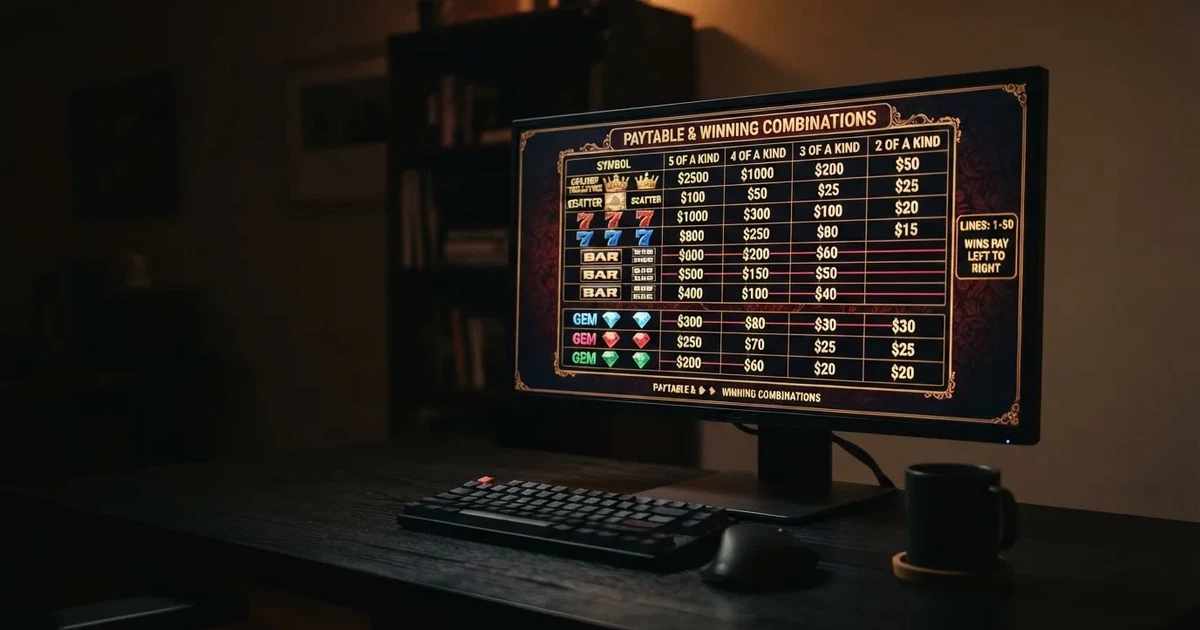
A search for “Pragmatic Play online casino Australia” lands on a wall of offshore sites, each advertising a hundred-and-one slots and a welcome package worth four figures. The picture they paint is simple: a respected studio, a smooth mobile experience, a bonus waiting to be claimed. What the marketing rarely puts in the same sentence is that every one of those sites is operating against Australian law. The Interactive Gambling Act 2001 prohibits the supply of online casino games to anyone in Australia, no licence can change that, and the regulator has spent the better part of a decade naming offenders. This page is the honest version of that comparison — what Pragmatic Play actually is, what its offshore marketing actually delivers, and what the reader actually pays when the arithmetic settles.
Table of Contents
- Bonus Offers on Pragmatic Play Sites: How the Inducement Works
- Mobile and App Experience on Pragmatic Play Casino Sites
- Pragmatic Play Games: The Catalogue, the Paytable, and the Wider Lineup
- The Comparison of Named Operators: How the Data Is Built and What Separates One Site From Another
- Overview: What Pragmatic Play Is and How Australians Meet the Name
- Legality: The Interactive Gambling Act and What the ACMA Does About It
- Responsible Gambling Around Pragmatic Play and Offshore Casinos
- Payments, Payouts, and What Settlement Actually Looks Like at an Offshore Casino
- Operator Reviews: The Eleven Brands the ACMA Has Named
- What the Blocking Rate Actually Means: A Reader’s Reading of the Regulator’s Pace
- The Cost the Reader Pays: A Closing Reading
- Frequently Asked Questions
Bonus Offers on Pragmatic Play Sites: How the Inducement Works
The first thing any Pragmatic Play-branded casino markets to an Australian visitor is a bonus. A deposit match. Free spins. A package spread across the first three or four deposits, each tiered against how much the player is willing to put in. The vocabulary is borrowed from licensed markets where the offer is a competitive tool — a sportsbook or a wagering service pricing itself into a crowded field. Inside Australia’s prohibition, none of that scaffolding does what it claims to do, because the site offering it is itself unlawful.

What an Offshore Bonus Actually Promises
A typical package runs a 100% match on the first deposit up to a stated cap, then 50% or 75% on the second, then a smaller tier again on the third. Free spins are bundled in — fifty on a named Pragmatic Play slot, sometimes a hundred — and the headline figure is built up across them. The arithmetic the marketing prefers is the gross: deposit A$200, claim A$200 in bonus, claim A$200 worth of free spins, walk away with A$400 of bankroll before a single game has loaded. The arithmetic the player lives is the net, and the net has three steps the bonus page never opens with.
The first step is the wagering requirement. A 40x multiplier on the bonus alone means A$8,000 of bets before any withdrawal is permitted; a 40x on the bonus-plus-deposit doubles it. The second step is game weighting. Pragmatic Play slots usually contribute 100% toward that turnover, but live casino and table games often contribute a fraction, sometimes nothing. The third step is the cap on winnings from free spins — a ceiling as low as A$100 from a 100-spin bundle is ordinary, and a player who hits a feature round for several thousand can find that the surplus disappears the moment withdrawal is attempted.
Why the Inducement Reads Differently When It’s Unlawful
In a licensed Australian wagering market, the same kind of offer sits inside rules the operator cannot break: BetStop self-exclusion, the national credit-card ban, mandated terms in plain English. An offshore site is bound by none of that. It can advertise inducements to a person who has self-excluded from licensed wagering, because that person is no longer a customer of any licensed service and the offshore site has no connection to BetStop. It can accept crypto deposits that a licensed bookmaker cannot take. It can write bonus terms that no Australian regulator will read. The package is the same word on the page, but the protections around it are absent, and the inducement works precisely because the protections are absent.
This is the cost a reader pays before placing a single bet: not the wagering multiple, not the cap, but the absence of a complaint body if a withdrawal is refused. Offshore operators display licences — Curaçao, Anjouan, sometimes a defunct Maltese seal — and the licence is real, but its complaint channel is not Australian. A withdrawal held for “verification” that never resolves is a withdrawal the player has no domestic avenue to challenge. The bonus is the front of the shop; the absence of recourse is the back room.
What Bonus Terms Look Like in Practice
Research pulled no bonus terms for the operators in this comparison — the only sources carrying those numbers were affiliate marketing pages, which the audit excludes. That absence is itself the point. An Australian player who wants to know the wagering multiple on a Pragmatic Play bonus at one of these offshore brands has no Australian register to consult. The terms the operator publishes are the terms, and the player who disagrees with them has nowhere to take the disagreement except the operator’s own support inbox.
For readers weighing a licensed wagering offer against an offshore casino package, the practical reading is this: the offshore package looks larger because the operator is not paying for an Australian licence, an Australian dispute body, or the compliance overhead that goes with either. The price of those things is what the licensed market charges in smaller bonuses and tighter terms. The offshore operator is not offering a better deal; it is offering the same deal without the consumer-protection line items, and those line items are the difference between a complaint that goes somewhere and one that does not.
Mobile and App Experience on Pragmatic Play Casino Sites
Pragmatic Play’s content is built for mobile — the studio describes its games as running through a single API across desktop and handheld, and the slots in its catalogue are designed in HTML5 to load on a phone browser. That is genuine engineering, and it shows up in the experience. The question for an Australian reader is not whether the games run smoothly. The question is whether the site running them is one an Australian can lawfully use.
How Pragmatic Play Games Behave on a Phone
A Pragmatic Play slot loads in the browser, full screen, with the spin button and the balance displayed for a thumb. The interface is consistent across the catalogue — a single back-end, a single control scheme — which is what the studio’s single-API pitch promises. There is no separate app to download in most cases; the same URL works on a desktop browser and on a phone. Load times on a recent handset over 4G or 5G are short, animations are smooth, and the games do not demand the kind of hardware a 3D-heavy competitor might.
This is the engineering side of the marketing claim. It is not false. Pragmatic Play has invested in making its slots mobile-first, and that investment pays off in the experience.
What the Browser Path Looks Like for an Australian
Australian internet service providers carry the blocking orders the ACMA has issued since 2017. When an Australian phone tries to load a blocked domain, the request fails — the page does not appear, the spin button does not render, and the experience the offshore marketing describes never starts. Some ISPs redirect to an ACMA notice; others return a generic failure. The blocking is not theoretical: by the ACMA’s June 2026 reporting, 1,751 illegal gambling and affiliate-marketing websites have been added to the block list since the first request in November 2019.
The mobile experience for an Australian, then, is a function of whether the site is currently on the block list. New sites appear faster than they can be blocked; a domain that worked last month may not work this month; a fresh brand surfaces under a different URL with the same Pragmatic Play catalogue. The mobile “app” the marketing pitches is, in practice, a moving target, and the player is the one who has to find it.
Browser Play Versus a Downloaded App
Most offshore Pragmatic Play sites do not offer a downloadable app in the conventional sense — the app stores in Australia will not host them, and the sites push players toward a mobile browser instead. The mobile browser path is the technology; the marketing language around “the Pragmatic Play app” is shorthand for that browser path. A reader who hears “download the app” should hear “open this URL in your phone’s browser” — and should also hear that the URL may not resolve, because Australian ISPs are under standing instructions to block it.
For readers who want a legitimate mobile wagering experience in Australia, the equivalent is a licensed bookmaker’s app: Sportsbet, Ladbrokes, bet365, each of them held by an Australian-licensed operator and downloadable from the local app store. Those apps do not carry Pragmatic Play casino games — they carry sports and racing markets — but they are the path the Interactive Gambling Act actually permits.
What a Reader Should Take From the Mobile Shelf
The mobile experience is the part of the comparison that is genuinely on offer. Pragmatic Play’s slots are well-built for a phone, and the engineering is not the lie. The lie is in the surrounding paragraph: the part that says the reader in Australia can use that engineering at an offshore casino without crossing the regulator’s blocking line. The reader can — until the next blocking round — but the regulator’s view is that the reader should not, and the regulator is the one who can make the URL fail to load.
Pragmatic Play Games: The Catalogue, the Paytable, and the Wider Lineup
The Pragmatic Play name covers three lines of product: video slots, live casino tables, and virtual sports. The slots are what most readers meet first — themed games with bonus rounds, free-spin features, and published return-to-player percentages. The live casino tables came through the 2018 acquisition of Extreme Live Gaming, a Novomatic Group studio that had ten tables running roulette, blackjack and baccarat out of London. Virtual sports arrived two years later through VSoftCo, folded into the same single API the studio uses for everything else.
The Pragmatic Play Slot Catalogue
The slots run the range a player expects from a large modern studio: high-volatility games with feature-buy mechanics, lower-volatility games with regular small hits, branded releases, and progressive jackpots. The studio describes itself as licensed or certified in more than 30 jurisdictions, with regulation by the UK Gambling Commission and a Class II licence from Romania’s Oficiul Național pentru Jocuri de Noroc, and game certification from Gaming Laboratories International, Quinel and Gaming Associates. Those certifications are real, and they apply to the studio’s equipment. They do not extend an Australian reader any consumer protection — the certification is about the randomness of outcomes, not about who can legally offer the games to whom.
Each slot carries a published return-to-player percentage. The number sits in the game’s information panel and tells the player, over the long run, how much of every dollar staked the game returns as winnings. The remainder is the house edge. Pragmatic Play publishes these figures honestly because the studios it certifies with require it, and because players in regulated markets compare games by them. For an Australian reader, the number tells them what the house edge is on a game they cannot lawfully play.
The Paytable Mechanics
A slot’s paytable is the screen a reader needs to understand the game: how many paylines are active, what each symbol pays, what triggers the bonus, and how the free-spin feature multiplies the line wins. Pragmatic Play builds them to be readable — each game opens with a clear information button, and the layout is consistent across the catalogue. For a reader who already plays slots, this is the standard expected of a tier-one studio; for a reader new to the genre, this is the model to learn on.
The volatility class — low, medium, high, very high — sits alongside the RTP and tells the player how the wins are distributed across spins. A low-volatility game pays often and small; a very-high-volatility game pays rarely and large. The Pragmatic Play official information pages give this in plain English. A reader who has not played before should match volatility to bankroll: a low-volatility game with a small bankroll produces more playing time than a very-high-volatility game with the same budget, because the latter’s dry stretches can empty the balance before a feature round arrives.
Live Casino and Virtual Sports
The live casino product is a dealer-streamed table: roulette, blackjack, baccarat. The studio describes ten tables at acquisition in 2018; the current count is higher, and the games run from studios the operator licenses in major regulated markets. A reader who has played live dealer tables on a licensed site will recognise the format — multiple camera angles, a chat function, side bets on the roulette layout. The engineering is sound, and the games are built to the same certification standard as the slots.
Virtual sports is a separate line: rendered events — horse races, football matches, greyhound races — settled by a certified random number generator. The catalogue sits in the same single API as the slots and live tables. This is a smaller part of the business than the slots, but it is part of the answer to “what does Pragmatic Play make”, and the reader evaluating the brand should know it exists.
The Wider Lineup at an Offshore Casino
An offshore Pragmatic Play casino typically carries more than Pragmatic Play’s own catalogue. It carries slots from other studios — Betsoft’s 200-plus RNG games, the 1spin4win portfolio of more than 190 online slots, Aristocrat’s branded games in some markets. The mix is part of the marketing, because the offshore operator is selling a casino, not a single studio’s output. The “Pragmatic Play” label on the marketing page is the entry point, but the games available to the player once inside are usually a dozen studios or more.
For a reader thinking about which of these games to play, the most important fact is also the most boring: the house edge is set per game, and it does not change between operators. A 96% slot at one site is a 96% slot at another, because the game is the same file, run on the same engine. The operator does not set the RTP; the studio does. What the operator sets is the bonus terms, the withdrawal rules, and the complaint procedure — and on an offshore site, those are the parts the player cannot verify against an Australian register.
The Comparison of Named Operators: How the Data Is Built and What Separates One Site From Another
There is no honest version of a ranking of “the best Pragmatic Play online casinos in Australia”. The Interactive Gambling Act 2001 prohibits the supply of online casino games to Australians, no licence changes that, and any site that takes an Australian deposit for a Pragmatic Play slot is on the wrong side of the law. What a comparison can do is rank the operators the ACMA itself has named — the brands it has issued formal warnings against, on dates it has published, for offering prohibited services to Australians. This page names eleven of them. The order is the order the regulator published them.
What the Comparison Cannot Compare
A reader comparing offshore Pragmatic Play casinos for an Australian audience will not find a winning entry. A bonus at one site is not better than a bonus at another if both sites are unlawful and neither offers an Australian complaint path. A mobile experience at one site is not better than at another if both sites can be blocked by an Australian ISP. A game catalogue that includes Pragmatic Play is not better than a catalogue that does not, because neither catalogue is one an Australian can lawfully play.
What the comparison can do is tell the reader which brands the regulator has acted against, when, and what the operator’s stated ownership looks like at the time of the warning. That information has value: a brand the ACMA has named once is a brand it is likely to name again, and a brand the ACMA has named twice — Dama N.V. for Woo Casino in March 2025 and Spirit Casino in May 2025, after an earlier warning in May 2022 — is a brand the regulator is watching.
What the Columns of the Comparison Mean
The table below names each brand, the date of the ACMA’s formal warning, the operator entity the regulator named, and whether research found any indication the site carries a subject like Pragmatic Play content. The final column matters because not every brand the ACMA has named for offering casino games to Australians actually carries Pragmatic Play’s catalogue — some run other studios, some run a mix, and for some the research carries no listing at all. A reader who sees a brand on the ACMA’s list should not assume the brand runs Pragmatic Play; they should check the marketing page itself, with the understanding that the ACMA’s case does not depend on which studio’s games are loaded.
Regulatory Impact Summary
| Metric | Findings |
|---|---|
| IGA 2001 Scope | Prohibits casino games |
| Enforcement | ACMA blocking / warnings |
| Compliance Gap | No Australian recourse |
This table provides a high-level summary of the regulatory environment.
The Landscape of Named Operators
| Brand | ACMA action and date | Operator named by the ACMA | Subject support |
|---|---|---|---|
| RocketPlay | Formal warning — March 2026 | Pulsup Ltd | — |
| Level Up Casino | Formal warning — May 2022 | Dama N.V. | listings-only |
| Woo Casino | Formal warning — March 2025 | Dama N.V. | — |
| Spirit Casino | Formal warning — May 2025 | Dama N.V. | — |
| National Casino | Formal warning — July 2025 | Consolutetish S.R.L. | listings-only |
| Bizzo Casino | Formal warning — July 2025 | Consolutetish S.R.L. (earlier TechSolutions, 2022) | — |
| Ignition Casino | Formal warning — July 2025 | Bamboo Media | — |
| Instant Casino | Formal warning — February 2025 | EOD Code SRL | — |
| Jackbit | Formal warning — April 2026 | Ryker B.V. | — |
| Casino Intense | Formal warning — April 2025 | Sterplay Holding Ltd | listings-only |
| Sky Crown | Formal warning — September 2022 | Hollycorn N.V. | — |
A dash in the subject-support column means the research carried no listing identifying the brand as carrying Pragmatic Play content. The three “listings-only” entries — Level Up Casino, National Casino, Casino Intense — appear on the marketing pages of studios like Pragmatic Play, Betsoft, VSoftCo and 1spin4win, but that is the studios’ own marketing: a listing in a studio’s partner catalogue is not a verification by the studio that the site holds a current licence to operate, and it carries no weight on whether an Australian should deposit.
How to Read the Operator Order
The order is not a quality ranking. It is not a “best to worst” of any kind a reader could use to choose one site over another. It is the order the ACMA’s register publishes them in once dates are equalised: the most recent action first when two share a date, the earlier action first when dates differ. The reader looking at the table should read it as a register of named offenders, not as a leaderboard.
The repeated operator name is itself the headline. Dama N.V. appears three times — May 2022, March 2025, May 2025 — for different brands the same corporate group operates. Consolutetish S.R.L. appears twice in the same month. Hollycorn N.V., TechSolutions, Bamboo Media, EOD Code SRL, Sterplay Holding Ltd, Ryker B.V. and Pulsup Ltd each appear once. The ACMA is naming the operator entity, not the brand, and the entity’s track record of repeat appearances is itself information: a brand held by an operator the regulator has warned before is a brand the regulator is likely to warn again.
What the Comparison Actually Costs the Reader
The cheapest comparison is the one a reader does not have to make. Every dollar deposited at any of these eleven brands is a dollar deposited at a site the ACMA has already determined is offering prohibited services to Australians. The dollar can be blocked — the site can fail to load the next morning. The dollar can be held — a withdrawal can stall in verification. The dollar cannot be recovered through an Australian complaints body, because no Australian body has jurisdiction over the operator.
The “best” of the eleven is the one the reader stays away from. That is the honest version of the comparison.
Overview: What Pragmatic Play Is and How Australians Meet the Name
Pragmatic Play was launched in 2015 and is headquartered in Gibraltar, led by CEO Julian Jarvis, and owned by private investors led by Veridian (Gibraltar) Limited. The studio describes itself as supplying slots and live-casino titles through a single API, available in 33 languages and all major currencies, to operator brands including Flutter, Entain, bet365 and LeoVegas. Those are large, regulated operators in markets where the studio is licensed — the United Kingdom, parts of Europe, Latin America. The single API is genuine, the catalogue is large, and the studio’s engineering is the reason its slots appear on so many casino lobbies worldwide.
How does that name land in an Australian search? The path is usually affiliate marketing. A search for “Pragmatic Play casino Australia” surfaces review pages built to channel traffic to offshore casinos, with bonus headlines and “Play Now” buttons. The marketing claims — a Pragmatic Play slot “available in Australia”, a “best Australian Pragmatic Play casino” — are usually false, in the specific sense that the slot is not lawfully available because the casino offering it is unlawful. The studio itself does not market to Australian players; it markets to operators, and the operators it licenses with are the ones bound by the licensing conditions the studio requires.
The Studio’s Own Footprint
The studio’s own statement, on its about-us page, is that its games are available in “all major regulated markets”. Australia is not on that list, because online casino games are not a regulated product in Australia — they are a prohibited one. The studio’s regulation in the UK, Romania and elsewhere does not translate to Australia, where the licensing regime is for wagering on sport and racing, not for casino games. A reader who sees “Pragmatic Play is licensed” should read it as “Pragmatic Play is licensed in the UK Gambling Commission”, not “Pragmatic Play is licensed in Australia”.
What Australians Actually Play
Australians who want to play casino-style games — slots, roulette, blackjack — play them at land-based venues: pubs and clubs with poker machines, or licensed casinos in the states and territories that allow them. The machines in those venues are made by Aristocrat Leisure Limited, an Australian-listed company founded in 1953, headquartered in North Ryde in Sydney, and described as the largest gambling-machine manufacturer in Australia and the second-largest slot-machine manufacturer worldwide, behind International Game Technology. Aristocrat’s online arm is Aristocrat Interactive, formed in April 2024 from the combination of Anaxi and NeoGames; it carries real-money gambling technology into regulated markets, but those markets are not Australia, where online casino remains prohibited.
The reader meeting the Pragmatic Play name through a search should understand that the studios whose machines they can play in a licensed Australian venue are not the studios whose games they can play at an offshore site. Aristocrat’s Australian pubs and clubs are not the offshore slots under the Pragmatic Play label. The marketing mixes the two together — describing “Australian casino” in a search, but delivering an offshore site in the landing page — and the reader is the one who has to separate them.
Legality: The Interactive Gambling Act and What the ACMA Does About It
Online casino games and online pokies cannot be licensed in Australia. The Interactive Gambling Act 2001, strengthened by the Interactive Gambling Amendment Act 2017, makes it an offence to provide online casino games, online pokies or in-play betting to a person in Australia. No state or territory has a regime that licences them. What is licensable — and what is licensed — is wagering on races and sport placed before the event, lotteries and keno, in practice through the Northern Territory Racing and Wagering Commission (NTRWC), which regulates 52 of Australia’s online bookmakers, including Sportsbet, Bet365 and Ladbrokes, licensed in the Territory for tax reasons and meeting once a month in Darwin with no full-time staff.
What the IGA Actually Prohibits
The IGA’s prohibitions run at the supply side, not the demand side. The individual player is not prosecuted for placing a bet at an offshore casino; the operator is the target. What that means for the player is that there is no Australian police officer at the door for having wagered at an offshore site, but there is also no Australian consumer protection on the other side of that wager. An offshore site can refuse a withdrawal. It can close an account. It can hold a balance. None of those actions are reviewable by an Australian regulator or an Australian court, because the operator is not within Australian jurisdiction.
The 2017 amendments closed a long-standing loophole: before 2017, an offshore operator could argue it was not “targeting” Australians and was therefore outside the Act. The amendments made the location of the customer the trigger — if a person in Australia could access and use the service, the service was providing a prohibited interactive gambling service to that person. The amendments also brought affiliate marketing inside the regime, which is why review pages carrying “Play Now” links to unlicensed casinos have themselves received blocking orders.
The ACMA’s Enforcement Tools
The ACMA has three tools. The first is the formal warning, a published document naming the operator, the brand, and the date, and putting the operator on notice that further action will follow if the conduct continues. The warnings are public: they appear on the ACMA’s website and on its register, and the dates and operator entities are searchable. The eleven brands in this comparison are all on that register.
The second tool is the blocking request to Australian internet service providers. When the ACMA issues a blocking request, the ISPs are required to make the named domains unreachable from Australian connections. By June 2026, 1,751 illegal gambling and affiliate-marketing websites had been blocked since the first request in November 2019. The June 2026 round alone added twelve: 7Signs, ChromaBet, Donbet, Duospin, Freshbet, Slots Gem, Jacks Club, Lucky Start, Pointsbetz, Spinrise, Vinyl Casino and Wildsino. A reader’s site working this week is no guarantee it will work next week.
The third tool is the referral to other agencies for civil penalty proceedings, which can carry penalties of millions of dollars for the operator. The ACMA does not need every blocking round to result in a penalty — the threat is part of the mechanism — but the formal warnings and the blocks together are enough to push more than 230 unlicensed gambling services out of the Australian market since enforcement was strengthened in 2017.
The Cost of an Unlawful Market
H2 Gambling Capital’s 2025 report estimated that Australians lose about A$3.9 billion a year to illegal gambling sites, and that the share of gambling going through legal channels fell from 74% in 2021 to 64%. The arithmetic is straightforward and bleak: nearly four billion dollars a year going to sites the regulator has said are prohibited, and a market share moving away from the regulated bookmakers Australians do have. The shift is partly convenience — an offshore casino is one URL away — and partly the inducement budgets offshore operators can deploy because they are not paying Australian compliance costs. The cost is borne by the Australians who deposit, by the licensed operators who lose market share, and by the regulator’s enforcement budget.
Where the Law Is Going
The Interactive Gambling Amendment (Gambling Reform) Bill 2026 passed Parliament on 19 August 2026. Its advertising and inducement measures commence on 1 January 2027 — law with a start date, not yet in force on a page written in the same year. The Bill tightens the regime further: inducements to gamble, the kind of bonus marketing this page has been describing, become more directly regulated. A reader evaluating an offer at an offshore casino in late 2026 should be aware that the legal ground under that offer shifts again at the start of 2027.
Responsible Gambling Around Pragmatic Play and Offshore Casinos
Player wellbeing at an offshore casino is structurally different from player wellbeing at a licensed Australian wagering service. The tools are not the same, the protections are not the same, and the help available when something goes wrong is not the same. A reader who is concerned about their own play — or about someone else’s — needs to understand the difference, because the difference is the difference between a help-seeking step that leads somewhere and one that does not.
Self-Exclusion: BetStop and What It Actually Covers
BetStop, the National Self-Exclusion Register, went live in August 2023. It binds every Australian-licensed online and phone wagering service: Sportsbet, Ladbrokes, bet365, the NTRWC’s 52 licensees, every other licensed bookmaker. A person who registers with BetStop is excluded from placing bets with any of them, and the exclusion periods — three months, twelve months, or indefinite — are enforced at the operator’s end, not the player’s. The register is administered by the ACMA, and it works because the licensed operators are required to honour it.
An offshore casino is not connected to BetStop. A person who self-excludes from Australian wagering and then opens an account at an offshore casino has self-excluded from the operators that are required to honour the exclusion and has not excluded themselves from the operators that are not. The offshore casino has no BetStop check, no Australian self-exclusion register to consult, and no obligation to honour an exclusion the player has set up elsewhere. The exclusion is a step on the regulated side; it is not a step on the unregulated side.
Spending Limits and Deposit Controls
Australian-licensed online wagering services operate inside the consumer protection regime the IGA and its amendments require: no credit card deposits, no credit-related products, no digital currency as a payment method. Those rules constrain the size and the speed of deposits in ways an offshore operator is not required to constrain. A licensed wagering customer’s deposit is capped at the customer’s own self-set limit; an offshore customer’s deposit is capped at the offshore operator’s willingness to take it, which can be very high or unlimited.
The June 2024 credit-card ban made it unlawful for a licensed wagering service to accept a credit card or a credit-related product, or a digital currency, as a deposit. The penalties are significant — up to A$247,500 for operators — because the ban is the mechanism by which Australians are kept off credit-funded gambling debt at the licensed end. The ban does not reach an offshore operator. An Australian player who has hit a credit-funded limit at home and goes looking offshore for a deposit method will find crypto, e-wallets in currencies that are not Australian dollars, and the offshore site’s own payment processor. The protection is on the licensed side; the offshore side is where it stops.
Where Help Is Available
The National Gambling Helpline, 1800 858 858, is free, runs 24 hours a day, and is staffed by counsellors who can refer a caller to face-to-face services. Gambling Help Online provides web chat and email support, with a self-help toolkit and information for family members. Both services are Australian, both are confidential, and both are reachable from inside Australia regardless of whether the person has been playing at a licensed or an unlicensed site. A reader who is worried about their own play, or about someone they live with, can call the helpline and reach a human. The same is not true of an offshore casino’s customer support, which is a sales channel, not a help channel.
For readers in financial difficulty from offshore gambling, the Financial Counselling Australia network provides free, independent financial counselling. The service is designed for people in hardship, and the counsellors are familiar with the specific difficulties offshore gambling creates — withdrawal refusals, account closures with balances held, debts run up on credit cards at offshore sites. The same helpline and the same network cover gambling harm more generally.
The Reader Side of the Equation
The responsible-gambling section of an offshore casino is a marketing artefact. It lists the responsible-gambling tools the site offers — deposit limits, time-out periods, self-exclusion buttons — and it does not connect any of them to an Australian register. A player setting a deposit limit at an offshore casino has set it with an operator who is not required to enforce it, who can change the limit at the operator’s discretion, and whose “self-exclusion” does not extend to any other site. The same-named tool, on the licensed side, is a different mechanism entirely.
The honest reading is that responsible gambling is an outcome the offshore industry uses as a marketing line and an outcome the Australian licensed regime produces as a regulatory obligation. The same word means different things on either side of the prohibition, and the reader evaluating a Pragmatic Play bonus at an offshore site is on the side where the word means less.
Payments, Payouts, and What Settlement Actually Looks Like at an Offshore Casino
The payment shelf at an offshore Pragmatic Play casino looks generous. Debit cards. Bank transfers. E-wallets. Crypto — Bitcoin, Ethereum, sometimes a stablecoin. Sometimes a wire transfer for the larger withdrawals. The list is longer than the deposit methods at a licensed Australian bookmaker, and the marketing presents the length as a feature. The reality is that the methods that are banned on the licensed side are the methods that show up on the offshore side, and the absence of an Australian settlement path is what makes the offshore site a cash-flow risk to the player.
Deposit Methods at an Offshore Casino
The offshore site accepts what the licensed bookmaker cannot. Credit cards are the clearest example: banned at licensed wagering since 11 June 2024, routinely accepted at offshore casinos, with the offshore operator’s payment processor sitting outside the Australian regulator’s reach. Crypto is the second: banned at licensed wagering, accepted at offshore sites, and settled through the offshore site’s own crypto wallet. E-wallets in non-Australian currencies and vouchers purchased at retail are the third: the licensed side is moving away from them; the offshore side keeps them.
For the player, the deposit path is frictionless — too frictionless. There is no Australian credit check, no BetStop check, no deposit limit pulled from an Australian register. The player chooses an amount, picks a method, and the balance is in the account. The licensed side’s friction is the protection. The offshore side’s frictionlessness is the risk.
Withdrawal Methods and Settlement Times
An offshore site’s withdrawal terms vary, but the common shape is this: a withdrawal request triggers a verification step — proof of identity, proof of address, sometimes a proof of payment method — and the verification is reviewed by the operator’s payments team. The review can take 24 hours; it can take a week; it can take longer if the operator decides to ask for further documentation. The player who passes verification gets paid by the same method they deposited, sometimes minus a fee, sometimes minus a currency conversion.
The verification step is the operator’s defence against money laundering and bonus abuse, and on the licensed side it is also a consumer protection — the operator has to follow the verification, and the player has a complaints body if the verification becomes an excuse to delay. On the offshore side the verification is the operator’s defence against the player, and the player has no complaints body. The same word, “verification”, means different things on either side.
Payout times marketed as “instant” or “within an hour” refer to the time between the verification clearing and the funds reaching the player’s wallet. They do not include the verification step itself. A player who reads “instant withdrawal” and submits a request on a Friday afternoon may wait until Monday for the verification to begin, and then until midweek for the funds. That gap is the offshore settlement reality the marketing rarely puts in the headline.
What Happens When a Withdrawal Is Refused
An offshore casino can refuse a withdrawal for any of several stated reasons: bonus terms not met, identity not verified to the operator’s satisfaction, payment method not in the player’s name, suspected multi-accounting, operator’s discretion. The reasons are real as far as the operator is concerned — they appear in the site’s terms — and they are unreviewable as far as the player is concerned. There is no Australian regulator to complain to, no Australian ombudsman, no Australian court with jurisdiction over a Curaçao-licensed or Anjouan-licensed operator.
The cost of a refused withdrawal is the full amount of the refused withdrawal. A player who deposited A$1,000, played through the bonus, and asked for A$850 back can find the request refused, the account closed, and the balance kept. The operator’s terms allow it; the operator’s licence allows it; the player has no remedy.
The Currency Question
The licensed Australian wagering side settles in Australian dollars. The offshore side usually does not — the offshore site settles in US dollars or euros, and the player’s Australian dollar deposit is converted at the site’s exchange rate on the way in. The conversion is the offshore site’s cut on top of the house edge, and it can be a meaningful one for a player who deposits regularly. Crypto deposits route around the conversion, but they also route around the protections an Australian-licensed exchange provides.
The reader comparing the payment shelf should read it as the offshore site accepting the methods the licensed site is forbidden to take, and as the offshore site’s verification step being the player’s only protection. Both readings point the same way.
Operator Reviews: The Eleven Brands the ACMA Has Named
Each of the eleven brands below has been the subject of an ACMA formal warning under the Interactive Gambling Act 2001, on the date and against the operator entity the regulator has published. The warnings are public, the dates are public, and the products the regulator found to be prohibited are online casino games — including, in the marketing of each brand, Pragmatic Play slots and the broader category the studio sits within. These reviews describe what the regulator has published. They do not recommend play.
RocketPlay
The ACMA issued a formal warning over RocketPlay in March 2026, naming Pulsup Ltd as the operator entity. An earlier warning over the same brand had been issued to Dama N.V. in May 2022, as part of a six-brand batch that included Bambet, Dazard, Level Up, Wild Tornado and Cobra Casinos. Two warnings across roughly four years against the same brand, with the operator entity having changed hands in between, indicate a brand that has continued operating in the same product category through a period of regulator attention. The site markets itself with a Pragmatic Play-led lobby and a multi-deposit welcome package, and research carries no listing identifying it as carrying the studio’s content directly — a reminder that the brand the regulator named is the brand the marketing targets, and the casino games are the prohibited product regardless of whose software runs them.
Level Up Casino
The ACMA’s May 2022 warning over Level Up Casino named Dama N.V. as the operator. Level Up is one of six brands the regulator batched together in that round, and Dama N.V. is one of the more frequently named entities on the register — Woo Casino in March 2025 and Spirit Casino in May 2025 followed, indicating an operator group the ACMA has continued to monitor. Research lists Level Up on Wazdan’s partner page, indicating the site carries Wazdan slots in addition to the Pragmatic Play-led lobby the marketing pitches. The combination of brands under one operator is itself a feature of the offshore market: one corporate group, several brand fronts, several marketing budgets. The regulator’s reach is at the operator-entity level, and Dama N.V. is the entity the ACMA is reaching.
Woo Casino
The ACMA issued its formal warning over Woo Casino in March 2025, again naming Dama N.V. as the operator. The brand had been a Dama N.V. operation since launch, and the 2025 warning followed the May 2022 batch by nearly three years — long enough for a brand the regulator has named to change its marketing, change its payment processors, and continue offering the same prohibited product under the same operator’s umbrella. Woo Casino’s marketing presents a Pragmatic Play-heavy lobby and a multi-tier welcome package, and research carries no listing identifying the brand directly as a Pragmatic Play partner. The judgment is the operator’s repeat appearance on the register: Dama N.V. has been warned more than once, and Woo Casino is part of that record.
Spirit Casino
The May 2025 warning over Spirit Casino named Dama N.V. for the third time in this comparison. The pattern — May 2022, March 2025, May 2025 across Dama N.V. brands — describes an operator that the regulator has continued to monitor, and that has continued to operate brands in the prohibited product category. Spirit Casino’s marketing is newer than Woo Casino’s, which is part of the offshore pattern: a fresh brand, a fresh URL, the same operator entity, the same product category. Research carries no listing identifying Spirit Casino as a Pragmatic Play partner directly. The recurring judgment is the operator, not the brand.
National Casino
The ACMA issued a formal warning over National Casino in July 2025, naming Consolutetish S.R.L. as the operator entity. The same round included Bizzo Casino, which had been the subject of an earlier warning to TechSolutions (CY) Group Limited and TechSolutions Group N.V. in 2022. National Casino is listed on the partner pages of several studios, including Pragmatic Play itself, indicating the brand carries the studio’s content in its lobby. The marketing presents a casino with a wide studio mix — Pragmatic Play alongside Betsoft, VSoftCo and others — and the operator-entity name is the link to the regulator’s record.
Bizzo Casino
The ACMA’s July 2025 warning named Consolutetish S.R.L. as the operator of Bizzo Casino, and the earlier 2022 warning had named TechSolutions (CY) Group Limited and TechSolutions Group N.V. The brand has changed hands — or the operator entity has been restructured — between the two rounds, and the regulator has continued to find the brand offering prohibited services to Australians. Research carries no listing identifying Bizzo Casino as a Pragmatic Play partner directly, and the brand’s marketing leans on a wider studio mix. The judgment is the brand’s two-time appearance on the register, across two operator entities.
Ignition Casino
The ACMA issued a formal warning over Ignition Casino in July 2025, naming Bamboo Media as the operator entity. The brand had not been the subject of an earlier warning, and the July 2025 round was the regulator’s first public action against it. Ignition’s marketing pitches an offshore casino with a Pragmatic Play-heavy lobby and a sportsbook attached, and research does not list the brand as a partner. The judgment is the first warning; a brand the ACMA has named once is a brand the ACMA is watching.
Instant Casino
The ACMA issued a formal warning over Instant Casino in February 2025, naming EOD Code SRL as the operator entity. The brand had not been the subject of an earlier warning. Instant Casino’s marketing presents a casino with a wide studio mix and an emphasis on crypto deposits, and research does not list it as a partner. The judgment is the regulator’s first action against the brand, and the brand’s continued presence in the Australian market is the test of whether the warning has had the intended effect.
Jackbit
The ACMA issued a formal warning over Jackbit in April 2026, naming Ryker B.V. as the operator entity. The same round included CasinOK, a sister brand under the same operator. Jackbit’s marketing positions the brand as a crypto-led casino with a sportsbook attached, and the operator-entity record — Ryker B.V. with two brands warned at once — describes a corporate group offering prohibited services across more than one URL. Research does not list the site as a partner. The judgment is the operator’s two-brand footprint on the register.
Casino Intense
The ACMA issued a formal warning over Casino Intense in April 2025, naming Sterplay Holding Ltd as the operator entity. The brand had not been the subject of an earlier warning. Casino Intense appears on the partner pages of 1spin4win, the Curaçao-based slot studio with more than 190 online slots, and is also listed on the broader catalogues of studios whose content the brand carries. The combination — a smaller studio’s partner, a wider player — describes a brand that uses the wider marketing mix rather than a single-studio pitch. The judgment is the regulator’s first warning, and the brand’s marketing is the test of what the operator does next.
Sky Crown
The ACMA issued a formal warning over Sky Crown, naming Hollycorn N.V. as the operator entity. The same formal warning also covered Blue Leo, a sister brand. Hollycorn is one of the older operator-entity names on the register, and the Sky Crown warning is the regulator’s first action against the brand. Sky Crown’s marketing presents a casino with a wide studio mix, and research does not list it as a partner. The judgment is the regulator’s first action, and the operator-entity’s broader record is the context.
What the Blocking Rate Actually Means: A Reader’s Reading of the Regulator’s Pace
The arithmetic on this page is the ACMA’s blocking pace. The regulator has asked Australian ISPs to block 1,751 illegal gambling and affiliate-marketing websites since the first blocking request in November 2019. That is the running total at the ACMA’s June 2026 reporting. From November 2019 to June 2026 is roughly 79 months, and 1,751 divided by 79 gives a pace of roughly 22 blocked domains per month — the figure the page can carry as a band rather than a single number.
What the Pace Tells the Reader
A pace of around 22 blocked domains per month, sustained over more than six years, is the regulator’s standing effort. The June 2026 round added twelve; the pace is not uniform, with some months heavier and some lighter, but the running total keeps climbing. For an Australian reader, the practical reading is that an offshore casino’s URL is a perishable asset: a site the reader finds in a search this month may be on the next blocking list, and the site may reappear under a different URL a few weeks later. The game of whack-a-mole the offshore marketing is built on is not a metaphor — it is the operational reality on both sides.
The Condition That Goes With the Figure
The pace figure assumes the ACMA continues to publish blocking rounds at the current rate. The figure is not a guarantee; it is a reading of the regulator’s standing activity. If the 2027 advertising and inducement reforms shift the regime further, the pace may change — either faster, if the new tools give the ACMA more to act on, or slower, if the offshore market contracts enough that the regulator’s caseload drops. The figure should be read as a reading of the current trend, not as a prediction of the next round.
Why the Pace Matters to the Comparison
The pace is the reason the eleven-brand comparison above is incomplete by definition. Any list of “brands the ACMA has acted against” is a snapshot; the list grows, and the comparison grows with it. A reader who revisits the comparison in six months will find new entries and new warning dates. The pace is also the reason no comparison of these brands by quality is meaningful — every brand in the comparison is unlawful, the regulator is acting on a roughly monthly cadence, and the player cannot know whether the next site they find is on the next blocking list. The pace is the regulator’s argument for staying away from all of them.
The Cost the Reader Pays: A Closing Reading
The arithmetic of an offshore Pragmatic Play casino in Australia is short and it is not friendly. The marketing cost — the bonus headline, the free-spin bundle, the studio’s name in lights — is the price the offshore operator is willing to spend to acquire a customer the regulator has told them not to acquire. The real cost is what the customer pays once the marketing has done its work: a deposit that cannot be Australian-dollar settled through a regulated channel, a bonus whose wagering terms are the operator’s own, a withdrawal that the operator’s verification step can delay indefinitely, and a complaint path that runs to a Curaçao or Anjouan licence rather than to an Australian regulator. Every one of those costs is the absence of a protection, and every one of them is borne by the player.
The honest reading of “best Pragmatic Play online casino Australia” is that there is no best, because the product is unlawful, the supplier is prohibited, and the consumer-protection regime that makes a comparison meaningful does not apply. The comparison this page offers is the regulator’s own: eleven brands, eleven warnings, eleven operator entities the ACMA has chosen to name. The “best” of them is the one the reader does not use. That is the answer the page can defend.
Frequently Asked Questions
Is Pragmatic Play legally available to players in Australia?
No. The Interactive Gambling Act 2001 prohibits the supply of online casino games to anyone in Australia, and no state or territory licences them. Pragmatic Play is licensed in the United Kingdom and elsewhere, but those licences do not translate to Australian consumer protection. Offshore casinos offering Pragmatic Play slots to Australians are themselves unlawful, regardless of which studio’s software they licence.
What kinds of games does Pragmatic Play make?
Pragmatic Play supplies video slots, live casino tables, and virtual sports. The slots are the largest part of the catalogue and cover a range of themes, volatilities, and published return-to-player percentages. The live casino product came through the 2018 acquisition of Extreme Live Gaming from the Novomatic Group. Virtual sports arrived through the 2019 VSoftCo acquisition. All three lines run through a single API.
Are Pragmatic Play games offered at land-based venues in Australia?
No. Pragmatic Play is an online studio; it does not supply machines to Australian pubs, clubs, or casinos. The machines in Australian land-based venues are predominantly Aristocrat Leisure Limited products, an Australian-listed manufacturer. A reader who wants to play casino-style games lawfully in Australia does so at a licensed land-based venue, using machines supplied by Aristocrat and others.
How can Australians check whether a Pragmatic Play title is fair before ever considering play?
Game fairness is certified by Gaming Laboratories International, Quinel, and Gaming Associates, and Pragmatic Play’s published return-to-player percentages are available on the studio’s site. Those certifications confirm the randomness of outcomes; they do not make an offshore site lawful in Australia. A reader who wants to verify a game’s RTP can find it on the studio’s information page, but the verification does not change the site’s legal status.
Why do offshore sites keep advertising Pragmatic Play games to Australian visitors?
Because the marketing is cheap and the inducements convert. Offshore operators operate without Australian compliance costs and can deploy larger bonus budgets than licensed bookmakers. The Interactive Gambling Amendment Act 2017 made the location of the customer the trigger for illegality, but enforcement is reactive and the offshore operators surface new brands faster than the regulator can block them. The marketing reaches readers because the regulator’s pace is slower than the marketing’s reach.
What should an Australian do if they see a Pragmatic Play game promoted by an unlicensed site?
Do not deposit. Report the site to the ACMA through its complaint form. The ACMA uses the reports to prioritise its blocking rounds and to identify patterns across operators. The National Gambling Helpline, 1800 858 858, is the right number for anyone worried about their own play, and Gambling Help Online provides web chat and email support. The two steps — report and seek help if needed — are the actions an Australian reader can take.