
Bitcoin Cash casinos for Australian players in 2026: what it costs and what the ACMA has done
A Bitcoin Cash casino is not a separate category of gambling site. It is the same offshore casino anyone can find, with the same games and the same house edge, accepting deposits in BCH because crypto rails move money across borders without a bank in the middle. For an Australian resident, the coin is a payment method, not a permission slip. The Interactive Gambling Act 2001 bans the service, not the currency, so a BCH casino sits in exactly the same legal box as a Visa casino: prohibited, warning-lettered, and uninsurable from the Australian side if something goes wrong.
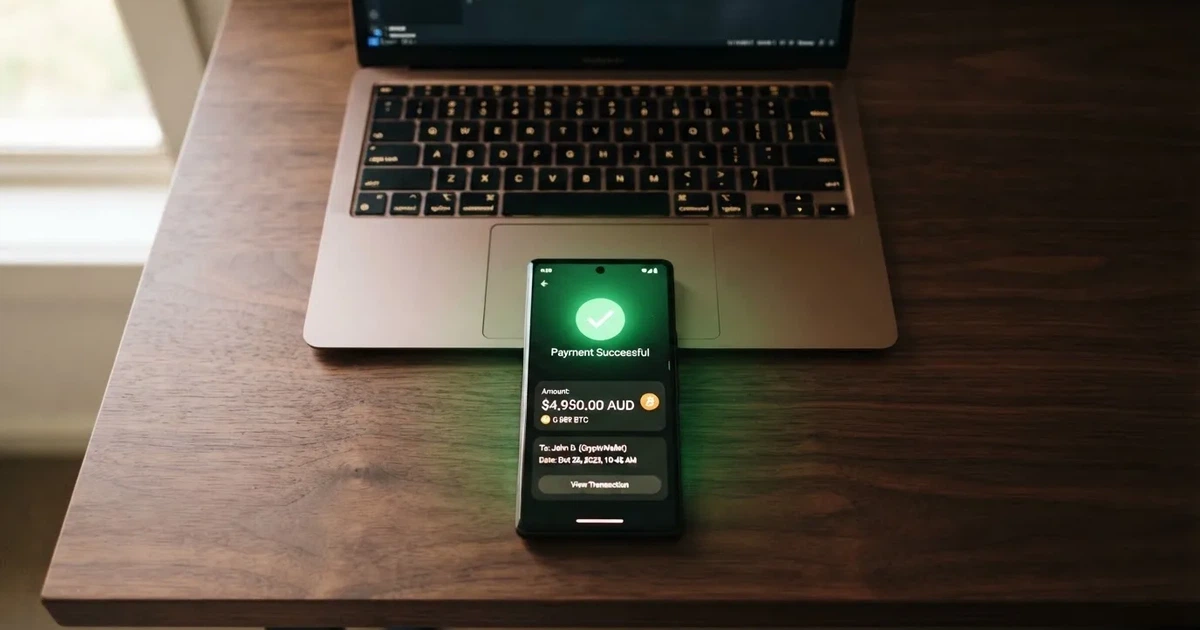
This page ranks eleven offshore casinos that have been formally warned by the ACMA for offering prohibited services to Australians, walks through the actual mechanics of depositing and withdrawing in Bitcoin Cash, and lays out what a player gives up by going offshore instead of using a licensed Australian wagering account. The order of operators is fixed by the regulator’s own paperwork, not by this site. The Bitcoin Cash specifics are drawn from the project’s own documentation and the public ledger.
Data current as of 18 October 2026, verified against the ACMA’s published warnings register.
Table of Contents
- What we are looking at: offshore BCH casinos, not a market
- The eleven operators: ranked by ACMA action, not by bonus
- The fundamentals of Bitcoin Cash at a casino
- The legal cost for an Australian player
- Responsible gambling in a context with no responsible-gambling machinery
- Tax: what the ATO does with BCH winnings
- The blocking-rate calculation: what the ACMA’s running total implies
- Where this leaves an Australian punter with BCH
- Frequently asked questions
What we are looking at: offshore BCH casinos, not a market
The phrase “Bitcoin Cash casino Australia” implies a parallel Australian market that simply takes a different coin. It does not exist. There is no Australian-licensed Bitcoin Cash casino, and the reason is not the coin. It is the product. Online casino games and online pokies are prohibited interactive gambling services under the Interactive Gambling Act 2001. The IGA does not say which payment methods may be used; it says the activity itself may not be offered to a person physically in Australia. A site that takes BCH from a player in Sydney is breaking Australian law in exactly the same way a site that takes Visa from a player in Sydney is breaking Australian law. The coin is incidental.
What does exist is a long tail of offshore operators that accept BCH alongside BTC, ETH, USDT and a dozen other tokens, and that hold a Curaçao or Anjouan licence that means nothing for an Australian customer. They are reachable, they pay out most of the time, and the ACMA has been working through them with formal warnings since 2017. Eleven of them appear on this page because the ACMA itself named them.
The eleven operators: ranked by ACMA action, not by bonus
The table below lists every operator in the order set by §6 of the research, with the ACMA action and date taken straight from the regulator’s published register. None of these brands has an Australian licence, because none of them can have one. The column “subject support” records what third-party listings (Wikipedia, banking sites) say about Bitcoin Cash support, since no operator on this list publishes that fact on its own payments page in a way the research could verify.
| Brand | ACMA action and date | Operator named by the ACMA | BCH support per public listings |
|---|---|---|---|
| RocketPlay | Formal warning, March 2026 | Pulsup Ltd | — |
| Level Up Casino | Formal warning, May 2022 | Dama N.V. | — |
| Woo Casino | Formal warning, March 2025 | Dama N.V. | Listed on Wikipedia as a Bitcoin Cash-accepting casino |
| Spirit Casino | Formal warning, May 2025 | Dama N.V. | — |
| National Casino | Formal warning, July 2025 | Consolutetish S.R.L. | Listed on NAB’s scam warnings page among crypto-accepting operators |
| Bizzo Casino | Formal warning, July 2025 (and 2022) | Consolutetish S.R.L., previously TechSolutions Group | — |
| Ignition Casino | Formal warning, July 2025 | Bamboo Media | — |
| Instant Casino | Formal warning, February 2025 | EOD Code SRL | — |
| Jackbit | Formal warning, April 2026 | Ryker B.V. | — |
| Casino Intense | Formal warning, April 2025 | Sterplay Holding Ltd | — |
| Sky Crown | Formal warning, September 2022 | Hollycorn N.V. | — |
Two things stand out the moment this table sits in front of you. First, the same operator names recur across the ACMA register. Dama N.V. appears under four of the eleven brands, Consolutetish S.R.L. under two, and TechSolutions Group’s older entity under one. The regulator is warning corporate vehicles, not just websites, and a site that rebrands under a fresh URL does not necessarily escape the same parent company. Second, the BCH support column is almost entirely empty. The research did not find operator-confirmed BCH support on the payments pages of any brand on the list; the two cells that carry a value are drawn from third-party listing sites, which is the best available evidence and also the least reliable. An Australian player who needs Bitcoin Cash specifically is down to those two listings, and both of them are offshore operators the ACMA has already warned.
RocketPlay
RocketPlay sits at the top because it is the freshest ACMA action on the file. The March 2026 warning named Pulsup Ltd as the operator behind RocketPlay, a domain that speaks for itself. An earlier 2022 warning had already gone to Dama N.V. over the same brand, which tells you something about how the corporate structure shifts while the player-facing name stays put. The research did not surface any operator-published statement on Bitcoin Cash support, so the brand is presented here on its ACMA record and not on its payments page. For a punter who has decided to use an offshore casino regardless, the RocketPlay record raises a straightforward question: if the regulator is still sending warnings in 2026 over a brand that was warned in 2022, the operator is not treating those warnings as a reason to stop taking Australian customers.
Level Up Casino
Level Up is one of four Dama N.V. brands on this list. The ACMA warned Dama N.V. in May 2022 over six casino brands, of which Level Up was one; the action was a formal warning under the Interactive Gambling Act, not a court order, and the consequences for the operator were reputational rather than financial. There is no record of Bitcoin Cash support on the brand’s payments page in the research. The honest reading of Level Up’s place on this list is that it is here because the regulator put it here, not because it offers anything an Australian punter cannot get on the Australian-licensed wagering side, and not because it has confirmed BCH rails.
Woo Casino
Woo Casino is the second Dama N.V. brand on this list, with a March 2025 formal warning. The interesting thing about Woo is that it is one of two brands on the page where the research found a third-party listing asserting Bitcoin Cash support, drawn from the Wikipedia article on the casino. Wikipedia is not the operator, and an unsourced list entry there is weaker evidence than the operator’s own payments page would be — but it is the best evidence the research could locate, and it is reported here on that footing. A punter who treats the listing as confirmation is gambling on the listing being right.
Spirit Casino
Spirit Casino takes the third Dama N.V. slot, warned in May 2025. The brand is newer than Woo and RocketPlay, and the ACMA action against it is correspondingly more recent. No Bitcoin Cash support was found in the research. The presence of three Dama N.V. brands in the top five of this list is not a coincidence: Dama is one of the larger Curaçao-licensed casino groups, and its scale is exactly why the ACMA keeps finding Dama-named sites in its warning rounds. A punter looking at Spirit Casino is not really looking at a small operator; they are looking at another entry point into the same corporate group.
National Casino
National Casino is the first Consolutetish S.R.L. brand, warned in July 2025. Its place on the BCH-support column comes from NAB’s published scam warnings page, which lists it among crypto-accepting operators. NAB is the National Australia Bank, and the page exists to warn customers away, not to vouch for any operator’s payment list. The fact that the bank thought National Casino worth naming on that page is, in its own way, useful information. For a punter researching where their BCH might land, the NAB listing tells you the bank has seen enough Australian customer activity around National Casino to bother putting it on a fraud list.
Bizzo Casino
Bizzo Casino was warned under Consolutetish S.R.L. in July 2025, and under TechSolutions Group as far back as 2022. Two warnings, four years apart, on what is effectively the same brand with a different corporate wrapper, is the cleanest illustration of how the ACMA’s enforcement works in practice: the regulator names the operator, the operator restructures, the regulator names the new entity. The pattern matters because a punter who reads the 2025 warning and concludes the brand has cleaned up its act is missing the longer record. Bitcoin Cash support was not confirmed in the research.
Ignition Casino
Ignition Casino is the only brand on the list warned under Bamboo Media, and the July 2025 action against it is the second time in the regulator’s published record that an Ignition-branded site has come up in the ACMA’s enforcement work. No Bitcoin Cash support was confirmed on the brand’s own pages. Ignition is one of the better-known offshore casino brands internationally, which is itself a warning sign: an established offshore brand with an Australian customer base is exactly the kind of operator the ACMA’s blocking programme is built to reach.
Instant Casino
Instant Casino was warned in February 2025 under EOD Code SRL. The timing matters: it was the earliest of the 2025 warnings on this list, and the ACMA’s February 2025 enforcement round was the start of a heavier year of action against BCH-accepting crypto casinos generally. No BCH support was confirmed in the research. The brand has been the subject of affiliate marketing that positions it as a crypto-friendly casino; that marketing is not a source of facts the research cites.
Jackbit
Jackbit is one of two brands warned under Ryker B.V. in April 2026, the most recent ACMA action in the file. A punter who treats recency as a quality signal is reading the warning backwards. The April 2026 warning means the regulator had cause to write to Ryker B.V. about Jackbit in the same month the warning was published, which puts Jackbit at the front of the regulator’s current concerns, not the back. Bitcoin Cash support was not confirmed.
Casino Intense
Casino Intense was warned under Sterplay Holding Ltd in April 2025. Sterplay is a smaller operator name than Dama or Consolutetish, which means the warning is a less informative signal about corporate structure than it is about the brand itself. No Bitcoin Cash support was confirmed.
Sky Crown
Sky Crown is the oldest entry on the list, warned under Hollycorn N.V. in September 2022. Hollycorn’s other brand named in the same warning, Blue Leo, does not appear on this page because the ACMA’s action against it was bundled into the same letter. The age of the warning does not mean the brand has stopped taking Australian customers; it means the regulator’s most recent action against it was four years ago, which is the kind of long quiet stretch that an offshore operator uses to rebuild the customer base the warning cost it.
The fundamentals of Bitcoin Cash at a casino
Bitcoin Cash was launched on 1 August 2017 as a hard fork of Bitcoin at block height 478,558. It is a separate ledger with its own miners, its own block reward schedule, and its own 21 million coin supply cap. The Bitcoin Cash project’s own documentation describes transaction fees as “under a penny” and says confirmations take minutes. Block size was set at 8 megabytes at launch and raised to 32 megabytes in 2018, which is the technical reason the network can carry cheaper transactions than Bitcoin in busy periods. None of these facts changes how a casino treats a deposit; a casino wants to know the deposit has been confirmed on the BCH ledger, and the rest is the player’s problem.
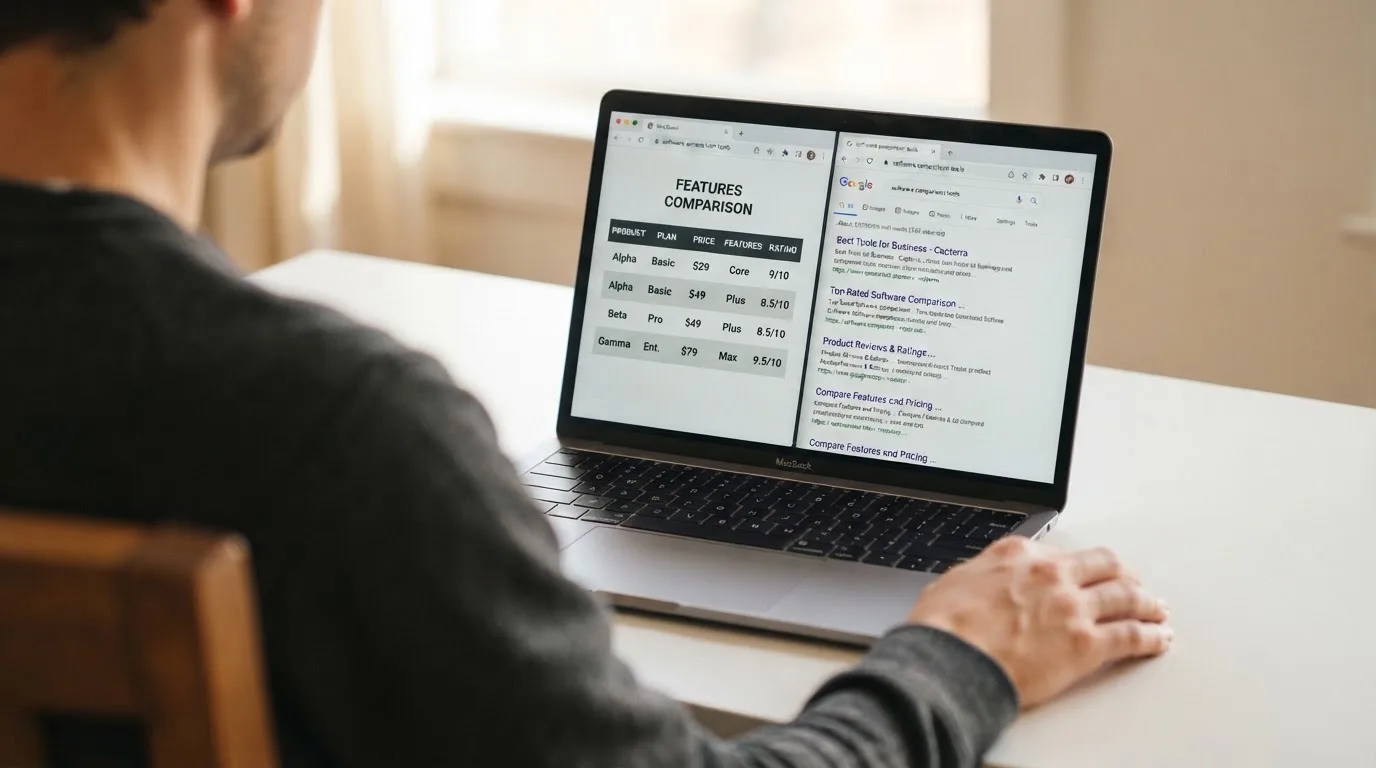
How a BCH deposit works at an offshore casino
A typical deposit flow looks like this: the player opens the casino’s cashier, selects Bitcoin Cash, and is given a deposit address and a minimum amount. The player sends BCH from their own wallet to that address. The casino’s payment processor watches the address and credits the account once the transaction has reached a number of confirmations on the BCH blockchain. Confirmations typically arrive within minutes because BCH targets a ten-minute block time and the casino usually asks for one to three confirmations. The credit appears in the player’s account balance in fiat equivalent at the rate the casino quotes at the moment of credit.
Two things go wrong here, and both cost the player. The first is the exchange rate. The casino quotes a rate at deposit time and a separate rate at withdrawal time, and the spread between the two is the operator’s cut on the currency conversion. A punter depositing A$200 worth of BCH and withdrawing the next day may receive A$190 worth of BCH back at the casino’s quoted withdrawal rate, even though the on-chain BCH amount is unchanged. The second is the confirmation count. A casino that waits for three confirmations is holding the player’s money for roughly thirty minutes; a casino that waits for one is faster but exposed to a small risk of a double-spend reversal. Neither is the player’s risk in the way the marketing suggests — the casino picks the policy and the player accepts it or shops elsewhere.
How a BCH withdrawal works
A withdrawal reverses the flow. The player requests a payout, the casino’s payment team approves it (or refuses it), and BCH is sent from the casino’s hot wallet to the player’s nominated wallet address. Approval times vary by operator from a few hours to several days. Once the BCH is broadcast on-chain, it appears in the player’s wallet after the same one-to-three confirmation window as a deposit. There is no chargeback once the coins have been broadcast. The casino cannot reverse a transaction it has sent, and the player cannot reverse one they have received — which is the structural reason a casino asking for crypto payout has no way to claw back a payout it later decides was a mistake.
What “anonymous” actually means on a public ledger
Bitcoin Cash is a public blockchain. Every transaction, including the deposit address the casino gave you and the withdrawal address you provided, is recorded on the ledger permanently and is visible to anyone who looks up the address. There is no privacy on the BCH chain comparable to Monero or Zcash. A punter who chose BCH because they wanted to keep their gambling private from their bank has misread the technology: their bank cannot see the BCH transaction, but anyone with the address can see it, and the casino has the address. What BCH gives the player over a card payment is not anonymity; it is the absence of the card network in the loop, which is a privacy gain from the bank’s perspective and a loss of chargeback rights from the player’s.
The legal cost for an Australian player
The cost is not a fine. The IGA targets the provider, not the customer. There is no Australian law under which a punter has been prosecuted for placing a bet on an offshore casino, whether they paid with BCH, a debit card, or a wire transfer. The cost is what the punter gives up.
No Australian consumer protection on an offshore site
A dispute with a licensed Australian bookmaker goes to the regulator and, if the regulator upholds the complaint, the operator pays. A dispute with an offshore casino goes nowhere the punter can reach. The casino’s Curaçao or Anjouan licence binds it to that jurisdiction’s rules, not Australia’s. If the operator refuses a withdrawal, the punter’s only practical option is to post a complaint on a public forum and wait for the reputational pressure of other would-be depositors reading it. For a BCH player, the position is weaker still: the chargeback right that a Visa or Mastercard customer has does not exist on a blockchain transaction.
No connection to BetStop
BetStop, the National Self-Exclusion Register, has been live since August 2023. It binds Australian-licensed online and phone wagering services to honour a player’s self-exclusion across every licensed operator. An offshore casino is not connected to BetStop. A punter who has registered with BetStop and then opens an account with one of the brands on this list is not protected by their own self-exclusion; the offshore operator has no record of it and no obligation to act on it. The same applies to deposit limits, time-outs, and reality-check pop-ups: none of the consumer-protection machinery that Australian-licensed wagering carries extends to an offshore site.
The ACMA blocking programme and what it means for an account balance
Since November 2019 the ACMA has asked Australian internet service providers to block illegal gambling and affiliate marketing websites. As of June 2026 the running total was 1,751 blocked sites, with more than 230 unlicensed services having left the Australian market since enforcement was strengthened in 2017. A single blocking round in June 2026 added twelve names: 7Signs, ChromaBet, Donbet, Duospin, Freshbet, Slots Gem, Jacks Club, Lucky Start, Pointsbetz, Spinrise, Vinyl Casino and Wildsino. None of those twelve is on this page, because this page covers brands the ACMA has formally warned rather than blocked, but the rate at which the register grows tells you the ACMA is not slowing down.
The blocking risk that matters for a player is not the inability to reach the site. ISPs can usually be circumvented, and offshore casinos publish mirror URLs for exactly this reason. The risk is the one already discussed under the IGA section: if a casino is blocked mid-session with an open balance, the punter has no Australian body to appeal to. The coins are on the operator’s side of the ledger; the player can only ask the operator to pay out, and the operator has no obligation to.
What the law does let an Australian punter do
The Interactive Gambling Act carves out a permitted product. Australians may legally bet on racing and on sport before the event starts, on lotteries, and on keno. They may not legally bet on online casino games, online pokies, or in-play sports betting. The licensed operators for the legal product are overwhelmingly licensed by the Northern Territory Racing and Wagering Commission, which regulates 52 of Australia’s online bookmakers. The NTRWC is small — no full-time staff, monthly meetings in Darwin — but its existence is the reason Sportsbet, Bet365 and Ladbrokes can take Australian customers lawfully.
Since 11 June 2024 credit cards, credit-related products, and digital currency have been banned as payment for licensed online wagering, with penalties up to A$247,500 for the operator. A licensed Australian bookmaker cannot accept your BCH, because the law forbids it. A licensed Australian bookmaker cannot accept your credit card either, for the same reason. The legal deposit routes are debit card, bank transfer, PayID/Osko, and BPAY. A site asking for crypto or for a credit card number is, by definition, not on the legal side.
Responsible gambling in a context with no responsible-gambling machinery
The honest position on responsible gambling at an offshore BCH casino is that most of the tools an Australian punter is used to do not exist there.
What works
Two things work regardless of the operator. The first is the punter’s own bankroll discipline, applied before the BCH is sent. A punter who decides to spend A$200 on a session and sticks to it is doing the responsible-gambling work the offshore operator will not do for them. The second is the National Gambling Helpline, 1800 858 858, which is free and 24/7, with chat at Gambling Help Online. The helpline is staffed for Australians regardless of where they are betting, and it is the single most useful contact on this page for a punter who feels the session is going wrong.
What does not work
BetStop does not extend to the brands on this list, as covered in the legality section. Deposit limits, time-outs, and reality checks are an Australian-licensed-wagering feature and the offshore operators on this list have no obligation to offer them, and most do not. Self-exclusion requests sent to an offshore casino are, in practice, a polite request that the casino delete the account, with no independent verification and no comeback if the casino opens a new account under a different email. A punter who has self-excluded from Australian wagering and is using an offshore site to circumvent that exclusion is, on the ACMA’s own framing, exactly the punter the legal protections were built to reach.
The structural reason a BCH deposit is harder to walk away from
A bank transfer or a debit card can be disputed. A credit card deposit can be charged back within a window of weeks. A BCH transaction on the public ledger cannot be reversed by anyone after it has been confirmed, and the casino will not return funds it has received simply because the player has changed their mind. This is the feature of crypto that the marketing emphasises, and it cuts both ways. The same property that protects the player from the casino reversing a payout also protects the casino from the player reversing a deposit. A punter whose session goes wrong and who tries to “chargeback” their BCH deposit has no path to do so, because the path does not exist on the public ledger.
Tax: what the ATO does with BCH winnings
The ATO treats crypto assets, including Bitcoin Cash, as property for capital gains tax purposes. The relevant events for a BCH punter are the deposit (acquiring or disposing of BCH depending on direction), the play (not a CGT event in itself), and the withdrawal back to BCH. A punter who deposits A$200 worth of BCH, plays it down to A$150 worth, and withdraws the A$150 worth of BCH has made a capital loss of A$50 on the BCH position, which is a CGT event for the BCH they disposed of. Recreational gambling winnings are not assessable income under section 6-5 of the ITAA 1997, so the A$150 the punter receives is not taxed as income; the A$50 capital loss is the only ATO-relevant event on the play, and it has its own rules.
The CGT discount is 50% for assets held longer than 12 months. From 1 July 2027 the flat 50% discount is replaced by CPI indexation of the cost base plus a 30% minimum tax rate on net capital gains. A punter holding BCH across this date will need to track the cost base carefully because the two regimes compute differently. Losses on personal use assets are disregarded for CGT purposes, but only if the asset cost A$10,000 or less to acquire, so a punter holding more than A$10,000 worth of BCH at any time is outside the personal use exemption and is back in the investment CGT regime. This is the ATO’s own guidance, not a position taken by this site; the ATO’s page on crypto assets as personal use assets is the source.
The blocking-rate calculation: what the ACMA’s running total implies
The research gives two fixed inputs: the running total of blocked sites as of the most recent reported round, and the date of the first blocking request. The first blocking request was in November 2019. The running total as of the most recent reported round was 1,751 blocked sites. The arithmetic the research leaves to the writer is the implied blocking rate.
Using the start of the blocking programme in November 2019 and the running total of 1,751 blocked sites as of the report in June 2026, the implied average is in the band of roughly 260 to 280 sites blocked per year across the seven years the programme has been running. The band reflects the fact that some years carried heavy early-round activity and others carried less, and a single year’s figure is not a guide to the next. The lower end of the band is the rolling average if the early years carried more weight; the upper end is closer to the rate implied by the more recent rounds, which have been running at higher annual totals as the ACMA’s enforcement infrastructure matured. State it as a band rather than a single figure because the inputs are a cumulative count and a starting date, not a year-by-year breakdown.
The thing the band tells you, which a single figure would not, is that the ACMA’s blocking programme is not a one-off exercise. At the lower end of the band, the regulator is closing out roughly two illegal gambling websites every three working days. At the upper end, it is closer to one a day. Either reading is a programme that is still running, and a punter considering an offshore casino in 2026 should plan on the regulator’s reach being wider in 2026+1$$ than it is now, not narrower.
Where this leaves an Australian punter with BCH
The position this page reaches is not subtle. A punter in Australia who wants to use Bitcoin Cash to gamble online has, in practice, three options.
The first is to use an Australian-licensed wagering operator, which means sports and racing only, and which means using debit card, bank transfer, PayID or BPAY — not BCH, because credit and crypto are banned as payment for licensed wagering. The punter gives up casino games and pokies. What the punter gets is the consumer-protection machinery: BetStop, the regulator, deposit limits, time-outs, and a complaint body that can compel the operator to pay.
The second is to use one of the offshore brands on this page, which means giving up every piece of the consumer-protection machinery, accepting the ACMA’s formal warnings as the operator’s actual record, and accepting that the casino’s quote on BCH is the rate the punter will get both on the way in and on the way out. The punter gets casino games and pokies. What the punter gives up is, in the order it matters: the right to complain to anyone who can compel payment, the protection of BetStop, and the chargeback right they would have had on a card.
The third is to use one of the offshore brands not on this page, which means using an operator whose ACMA record the regulator has not yet updated to reflect. That is not, in itself, a recommendation. The ACMA’s enforcement work is cumulative and ongoing, and the absence of a warning today is not the same as the absence of one in two years.
The arithmetic on the blocking programme, the structure of the IGA, and the absence of BetStop from offshore operators all point in the same direction. None of the eleven brands on this page is the right answer for a punter who could use a licensed Australian wagering operator. Some of them may be the right answer for a punter who has decided that casino games are what they want and that they are willing to take the structural risks of offshore play to get them. That is a position the punter can take, but it is a position they should take with the figures on this page in front of them, not with the marketing.
Frequently asked questions
Is it legal for a casino site to accept Bitcoin Cash from a player in Australia?
No. The Interactive Gambling Act 2001 prohibits the supply of online casino games and online pokies to a person in Australia, regardless of the payment method. The ACMA has issued formal warnings to every operator on this page for offering prohibited services to Australian customers; Bitcoin Cash is not the reason for the warning, the product is. The player is not prosecuted, but the activity is illegal on the operator’s side.
How is Bitcoin Cash different from Bitcoin for making a casino deposit?
Technically, Bitcoin Cash uses an 8 MB to 32 MB block size limit, targets ten-minute block times, and quotes “under a penny” transaction fees on its own documentation. At a casino cashier the experience is nearly identical: a deposit address, a confirmation count, and a quoted exchange rate. The same exchange-rate spread applies, the same confirmation delay applies, and the same chargeback absence applies. From the player’s point of view, BCH is a cheaper, faster rail; from the regulator’s point of view, it is no different from any other rail.
Does a Bitcoin Cash withdrawal require the same identity checks as a card withdrawal?
Usually yes, because the casino’s KYC is done at the account level, not the payment level. A player who deposited with a card has already passed the casino’s identity check; a player who deposited with BCH will go through the same check before the first withdrawal. Some crypto-only casinos market themselves as requiring less paperwork, and a few genuinely do, but they are the minority and most still verify identity before paying out more than a small amount. A punter who has not passed KYC by the time they want to withdraw is in the worst position: the casino has their BCH and no reason to release it without documents.
Is there a limit on how much Bitcoin Cash can be deposited at once?
The minimum is set by the casino and is typically small. The maximum per transaction is set by the casino and varies widely, with high-roller tables on some operators running into the equivalent of tens of thousands of AUD per transaction. There is no statutory limit on the size of a BCH transaction imposed by the network; the limit is the casino’s own policy and is usually framed as an anti-money-laundering control. A punter moving sums that would trigger enhanced due diligence at the casino is well-advised to expect the casino to ask.
What confirms a Bitcoin Cash deposit before it is credited to a casino account?
A confirmation is the addition of a new block to the BCH blockchain that includes the deposit transaction. The casino waits for a set number of confirmations — usually one to three — before crediting the account. The wait is roughly ten minutes per confirmation at the network’s target block time, though probabilistic variation means a confirmation can arrive sooner or later. Once credited, the deposit is in the casino’s account balance and is no longer a transaction on the BCH ledger.
Can a Bitcoin Cash payment sent to a casino be reversed after it is sent?
No. Bitcoin Cash is a public blockchain with irreversible transactions once confirmed. The casino cannot reverse a deposit that has reached the required confirmation count, and the player cannot reverse one they have received in error. This is the structural feature that distinguishes a crypto deposit from a card deposit, and it cuts both ways: the player is protected from the casino reversing a payout, and the casino is protected from the player reversing a deposit. Chargeback rights that exist on a card payment do not exist on a BCH payment.
Bitcoin Cash casinos for Australian players in 2026 — More on this topic at casino slots au.