Best keno online casino Australia: cost, legality, and what is on the record
 Available in US
Online keno carries a heavier house edge than almost any other casino game. The figure most often quoted sits between 25% and 29% on automated draws, with Wikipedia’s broader survey putting online keno anywhere from under 4% to over 35% and live in-person play from 20% to 40%. That is the backdrop for the question readers keep typing: best keno online casino Australia. The answer is not a shortlist. The answer is that the Australian market is structured so the shortlist the searcher is after does not exist as a lawful product.
The Interactive Gambling Act 2001 prohibits offering online casino games — keno included — to anyone physically in Australia. No state or territory issues a licence for it. The brands that advertise keno to Australian players run from offshore, hold licences issued by regulators in other jurisdictions, and have been the subject of formal ACMA warnings over the past four years. A reader comparing operators is therefore not choosing between offers; they are choosing between an offer that is lawful in Australia and one that is not. The rest of this page walks through what that costs the punter, which venues are licit, and what the enforcement record looks like as of the 23 September 2026 check against the ACMA’s published action register.
Table of Contents
- Online keno in Australia: the gap between the search and the law
- The legal landscape: keno as a licensed product, not an offshore one
- The ACMA record: enforcement against offshore keno brands
- Where a keno reader in Australia can actually play
- Crypto and keno: where the law bites
- The mechanics of an offshore keno draw
- Responsible play: what the player controls
- What this page does not do
- Frequently asked questions
Online keno in Australia: the gap between the search and the law
The search “keno casino Australia” treats online keno as a product that can be recommended, ranked and compared. Australian law treats it as a prohibited interactive gambling service. The two framings meet on the same screen, and what the reader does with the page depends on understanding which framing applies.

Mechanically, keno is straightforward. A player picks up to twenty numbers from a field of 1 to 80. The house draws twenty numbers — a ball machine at a live table or a random number generator online — and the paytable is built around how many of the player’s picks match the draw. The historical line is colourful: the legend credits Han-dynasty strategist Zhang Liang with inventing the game during the Chu-Han Contention, with the first 80 characters of the Thousand Character Classic standing in for numbers on early ticket sheets. None of that changes the math.
The math is the cost the reader pays. Wizard of Odds puts the house edge of keno at 25%–29%, the highest of the common casino games. Wikipedia’s broader survey goes wider: under 4% to over 35% online, 20%–40% live. For comparison, blackjack’s optimal edge sits around 0.28% under liberal Las Vegas Strip rules and 0.43% under Atlantic City rules, and baccarat’s banker bet is 1.06%. A reader who treats keno the way they would treat baccarat is paying roughly twenty-five times the expected loss per dollar staked.
| Game | House Edge (approx.) |
|---|---|
| Keno (automated) | 25%–29% |
| Keno (in-person) | 20%–40% |
| Blackjack | 0.28%–0.43% |
| Baccarat (Banker) | 1.06% |
That is the reason the ACMA’s enforcement record against offshore keno operators is unusually heavy. It is the same reason the regulator names online keno whenever it sets out what an “illegal interactive gambling service” looks like. The reader’s first question — which keno site pays out — is the wrong way to approach the product. The right question is whether the reader can place the bet at all from inside Australia, and if so, through which channel.
The legal landscape: keno as a licensed product, not an offshore one
Keno is one of the gambling products that can be offered lawfully in Australia through state- or territory-licensed operators. The Interactive Gambling Act 2001 carves it out alongside lotteries and pre-event wagering. What the IGA does not permit is the same game running from a server offshore, accepting Australian customers, and advertising to them.
The licensing map is federal in name, state-by-state in practice.
Queensland runs a single-licence model. Keno (QLD) Pty Ltd is the exclusive keno licensee in the state, regulated by the Office of Liquor and Gaming Regulation under the Keno Act 1996, the Keno Regulation 2007 and the Keno Rule 2010. There is no second Queensland keno licence.
New South Wales extended its keno operator and product licence by 28 years, to 1 April 2050, with the joint licensees agreeing to pay the state more than $230 million — a $25 million upfront fee plus annual licence duty. The product is sold through the licensed pub and club network; the licence is the longest-duration gambling instrument the state holds.
Victoria issued 20-year keno licences from 15 April 2022 under the Gambling Regulation Act 2003. The Victorian Gambling and Casino Control Commission regulates the activity. Two licensees operate — Keno (VIC) Pty Ltd and Lottoland Australia Pty Ltd, with Lottoland Australia renamed to KenoGo Pty Ltd on 9 September 2025.
The Northern Territory Racing and Wagering Commission regulates 52 of Australia’s online bookmakers — Sportsbet, Bet365 and Ladbrokes among them — for tax reasons. The commission has no full-time staff and meets once a month in Darwin. It is the de facto national wagering regulator without the staffing that title implies.
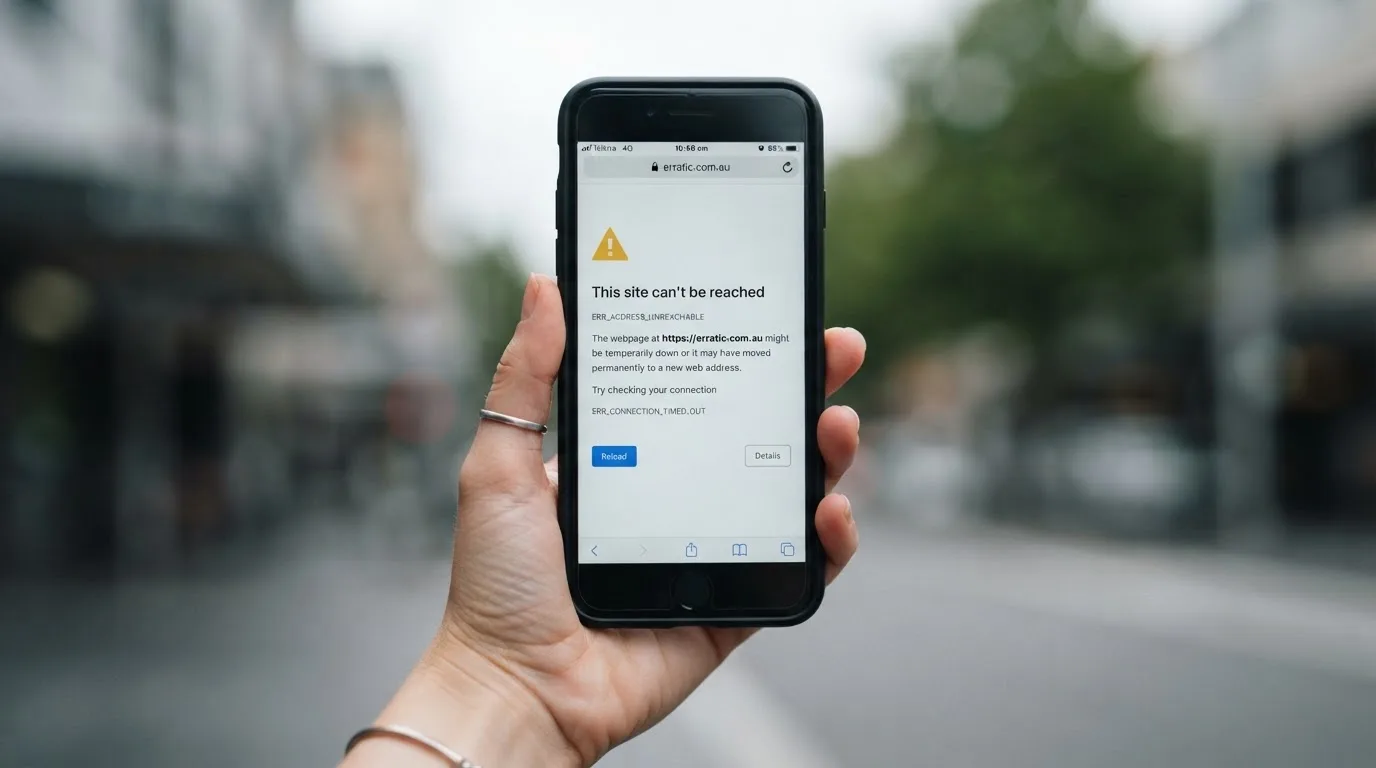
What no Australian jurisdiction issues is an online casino licence. The IGA makes the offering a prohibited service; the ACMA investigates; the ACMA directs Australian ISPs to block the offering domain. That is the structure under which every keno site advertising to Australian readers operates, and the structure the operator cards in the table below all sit inside.
The ACMA record: enforcement against offshore keno brands
The Australian Communications and Media Authority keeps a public register of formal warnings it has issued to offshore operators for offering prohibited interactive gambling services to Australians. The list is not a recommendation and not a ranking — it is the regulator’s own record of the brands it has acted against. Each entry below is one of those brands, with the date of the formal warning and the operator entity the ACMA named.
| Brand | ACMA action and date | Operator named by the ACMA | Subject support |
|---|---|---|---|
| RocketPlay | Formal warning, March 2026 | Pulsup Ltd (RocketPlay); earlier Dama N.V., May 2022 | — |
| Level Up Casino | Formal warning, May 2022 | Dama N.V. | listings report it as carrying keno |
| Woo Casino | Formal warning, March 2025 | Dama N.V. | — |
| Spirit Casino | Formal warning, May 2025 | Dama N.V. | — |
| National Casino | Formal warning, July 2025 | Consolutetish S.R.L. | listings report it as carrying keno |
| Bizzo Casino | Formal warning, July 2025; earlier 2022 | Consolutetish S.R.L.; earlier TechSolutions | — |
| Ignition Casino | Formal warning, July 2025 | Bamboo Media | — |
| Instant Casino | Formal warning, February 2025 | EOD Code SRL | — |
| Jackbit | Formal warning, April 2026 | Ryker B.V. (Jackbit and CasinOK) | — |
| Casino Intense | Formal warning, April 2025 | Sterplay Holding Ltd | listings report it as carrying keno |
| Sky Crown | Formal warning, September 2022 | Hollycorn N.V. (Sky Crown and Blue Leo) | — |
The pattern is the same across every entry. The ACMA’s formal warning is not a fine, but the next step on the regulator’s ladder is a direction to Australian internet service providers to block the domain. Several of the entries above have already triggered that step.
Dama N.V. alone accounts for five of the warnings on the list. The May 2022 warning covered Bambet, Dazard, Level Up, Rocketplay, Wild Tornado and Cobra Casinos; the March 2025 warning covered Woo Casino; the May 2025 warning covered Spirit Casino. The same corporate group, three separate warning rounds, four years. The ACMA’s published log is the public trail of an operator that has been told the Australian position and has continued to take Australian traffic.
The other patterns are worth noting. Some operators are first-time offenders; others — Bizzo Casino among them — have been told once, kept operating under a different corporate entity, and been told again. The TechSolutions-to-Consolutetish transition on Bizzo is the regulator’s clearest published case of an offshore operator attempting to reset by re-licensing the same brand under a new company. The formal warning followed.
What the blocking rate looks like
The blocking record is the one figure on this page that can be calculated from what is on the table. As of the June 2026 ACMA round, 1,751 illegal gambling and affiliate marketing websites had been blocked since the first blocking request in November 2019. That is roughly six and a half years of blocking, against a single regulator with a single enforcement lever, and the headline figure understates the work — it counts only domains, not the corporate groups behind them, and the corporate groups recycle brands as quickly as the regulator blocks them. The June 2026 round alone asked ISPs to block another twelve: 7Signs, ChromaBet, Donbet, Duospin, Freshbet, Slots Gem, Jacks Club, Lucky Start, Pointsbetz, Spinrise, Vinyl Casino and Wildsino. Twelve new domains in a single week of action.
The result is a band, not a point. At roughly 1,751 domains blocked across the roughly 78 months between November 2019 and the June 2026 report, the steady-state blocking rate runs around 22 domains a month — the regulator’s working rhythm, not a one-off blitz. The same data show more than 230 unlicensed gambling services have left the Australian market entirely since enforcement was strengthened in 2017, the long tail of the warnings table above. Where the brand disappears the domain with it, the blocking rate is the wrong instrument to count; where the brand rotates the domain and keeps operating, the regulator’s job is exactly the next twelve names on the list.
Cost to the reader behind the record
The enforcement record reads like a list. The cost to the reader sits behind it. Three numbers carry most of the weight.
H2 Gambling Capital’s 2025 report estimates that Australians lose about A$3.9 billion a year to illegal gambling sites, and that the share of gambling going through legal channels fell from 74% in 2021 to 64%. The first number is the volume of money that leaves the licensed Australian system for offshore operators; the second is the trend, and the trend runs the wrong way for a regulator that is supposed to be holding the line. A reader choosing an offshore keno brand is one line item in that A$3.9 billion figure.
The individual player is not prosecuted under the IGA — the Act targets the provider, not the customer. That is the part of the law that makes the offshore offer feel safe to the reader considering it. What the Act does not provide is the other side of safety: there is no Australian complaints body, no local dispute resolution, and no recourse when an offshore operator refuses a withdrawal. The site can be blocked mid-session. The balance can sit on the wrong side of the block.
The Interactive Gambling Amendment (Gambling Reform) Bill 2026 passed Parliament on 19 August 2026. Its advertising and inducement measures commence 1 January 2027. The law exists; it is not in force on a 2026 page. What it will change is the marketing side of what the ACMA already enforces — the inducements that drive readers from a search for “keno casino” onto an offshore site in the first place.
Where a keno reader in Australia can actually play
A reader who has reached this page looking for somewhere to play keno in Australia has three lawful routes. None of them is the offshore site the original search suggested.
Licensed pubs and clubs
Keno is sold through the licensed pub and club network in every state and territory that permits it. The product is the licensed keno operator’s game, played on terminals in venues that hold the relevant gaming licence. The paytable is the operator’s published paytable; the house edge is what the operator has registered with the state regulator. The reader’s stake goes through the venue’s terminal, the venue settles with the operator, and the player walks out with a ticket that pays at the counter if the numbers land.
The honest point about this channel is that the published house edge is lower than the offshore online figures. The operator’s registered paytable is the public document; the offshore site’s published RTP — where one is published at all — is a number with no regulator standing behind it on the Australian side.
Land-based casinos
Crown Melbourne and the Star Sydney run keno among their table-game mix under state casino control legislation. Crown Melbourne operates three baccarat variants — Traditional Baccarat, Crown Baccarat and 2 to 1 Baccarat — as approved table games regulated by the Victorian Gambling and Casino Control Commission, the body that replaced the VCGLR on 1 July 2022. The same approval regime that covers baccarat covers keno on the casino floor: the game and its rules are approved by the regulator before they can be offered, and the operator must make a copy of the approved rules available to patrons on request. The same regime operates in NSW under section 66 of the Casino Control Act 1992.
Licensed wagering operators (in venue, not online)
The Northern Territory Racing and Wagering Commission regulates 52 of Australia’s online bookmakers — including Sportsbet, Bet365 and Ladbrokes — for wagering on races and sport. Keno is not part of that product set. The licensed wagering operators are not an answer to the keno search, even though the regulator that covers them is the same regulator that sits behind much of the offshore-blocking work.
Crypto and keno: where the law bites
Crypto deposits sit in a different frame from credit card deposits, but the IGA treats them the same. Since 11 June 2024, credit cards, credit-related products and digital currency have been banned as payment for licensed online wagering in Australia, with penalties up to $247,500 for operators. Legal deposit routes for licensed wagering are debit card, bank transfer, PayID, Osko and BPAY. A keno site that asks an Australian customer for a credit card or a crypto deposit is operating outside the Australian rules on payment, on top of the prohibition on offering the game itself.
The “Bitcoin keno casino” search the reader may have started with maps onto two separate failures in Australian law. The offering is prohibited; the deposit instrument is prohibited for the licensed channels where keno can lawfully be sold. An offshore site accepting bitcoin from an Australian customer for an automated keno draw is failing both rules at once. The transaction is not enforceable under Australian consumer law; the winnings are not protected under Australian consumer law; and the site can be blocked with the bitcoin balance still on the player’s account.
What crypto does change for the offshore site is the friction of moving money in and out. A debit card deposit to an offshore site is the kind of transaction the Australian bank’s fraud system flags; a bitcoin deposit routes around that flag. The reader’s experience is faster. The reader’s legal position is the same. The operator’s ability to ignore an ACMA formal warning is unchanged.
The mechanics of an offshore keno draw
For the reader who has decided to look at what an offshore site offers regardless, the underlying game is the same as the licensed version. Up to twenty numbers from a field of 1 to 80, twenty drawn by RNG, paytable built around hits. The differences are in what sits around the draw.
The random number generator on an offshore site is the operator’s own. There is no Australian regulator checking its calibration. The published return-to-player figure, where one exists, is a self-reported number with no audit trail a reader can trace. The Wikipedia survey of online keno returns puts the range from under 4% to over 35%; that is the range of house edges the reader is choosing between when picking a site, and the reader is choosing blind.
The draw speed is faster. An online draw runs every few seconds; a live keno draw at Crown Melbourne runs on a scheduled cadence with a ball machine. The hit frequency is the same in theory — twenty numbers from eighty, regardless of how the draw is performed. The payout structure on the licensed keno game is the published paytable; on the offshore site it is the operator’s paytable, with the operator’s rules on max payout, max stake and what counts as a winning ticket.
The “live keno” the reader may see advertised is a streamed draw with a presenter, drawn on a ball machine in a studio, with bets placed online against the result. The draw is the same draw as a land-based keno draw; the bet placement is offshore. The two halves of the product sit in different legal frames.
Responsible play: what the player controls
The offshore keno site is not connected to BetStop. The National Self-Exclusion Register, live since August 2023, binds only Australian-licensed online and phone wagering services. A self-excluded Australian can still open an account at an offshore keno site. The register’s protection stops at the border.
The National Gambling Helpline is 1800 858 858 — free, 24/7, with chat at Gambling Help Online. It is the one number on this page that does not depend on which side of the regulatory line the reader sits on.
The self-help tools that follow from a BetStop registration — deposit caps, time-outs, exclusion from licensed wagering — do not extend to offshore keno. The reader who wants those tools working across their gambling has two options: keep their play inside the licensed system, or manage the offshore account through the bank’s own gambling blocks (most Australian banks offer them through their mobile apps) and the device-level screen-time controls.
The Interactive Gambling Act targets the provider. The reader is on the other side of that target. What the Act does not give the reader is a safety net — no Australian dispute body, no local enforcement of the operator’s own terms, no guarantee that a withdrawal request will be honoured. The reader’s risk management is the only risk management the offshore product offers.
What this page does not do
This is not a ranking of offshore keno sites. It is not a recommendation. The brands in the table above are listed because the ACMA has acted against them; the formal warning is the regulator’s published record, not a quality assessment. A reader using this page to pick an offshore site is using it for a purpose it does not serve.
The page is also not a route map to working around the IGA. A reader who has decided to use an offshore site does not need this page to find one; the offshore sites advertise to Australian traffic directly. What the page does is set out the cost of that choice — the legal position, the lack of Australian consumer protection, the blocking record, and the 25%–29% house edge that sits behind the marketing — so the choice is made with the information the offshore marketing pages do not provide.
A reader looking for a lawful keno experience in Australia has a short list that does not involve any of the brands in the ACMA table: licensed pubs and clubs in their state, land-based casinos in Melbourne and Sydney, and — for readers in a state where keno is offered through a wagering licence — the licensed wagering channels. The licensed product is the same game with a lower house edge, a published paytable, and an Australian regulator behind it.
Frequently asked questions
What house edge does keno carry compared with other casino games?
Keno’s house edge is the heaviest in the common casino range. Wizard of Odds puts automated keno at 25%–29%, well above baccarat’s 1.06% on the banker bet and blackjack’s optimal edge of around 0.28%. Live in-person keno runs 20%–40%; online keno varies from under 4% to over 35% by site. The headline figure to keep is that keno keeps roughly a quarter of every dollar staked, on average, before the draw.
Is keno available at licensed pubs and clubs in Australia, not just casinos?
Yes. Keno is sold through the licensed pub and club network in every state and territory that permits it, run by the state-licensed keno operator — Keno (QLD) Pty Ltd in Queensland, the joint licensees in NSW, Keno (VIC) Pty Ltd and KenoGo Pty Ltd in Victoria. The product is the licensed operator’s game on terminals in licensed venues; the house edge is the operator’s registered paytable, which is generally lower than the offshore online range.
Is it legal for an online casino to offer keno to players in Australia?
No. The Interactive Gambling Act 2001 prohibits offering online casino games — keno included — to anyone physically in Australia. No state or territory issues a licence for online keno. The ACMA enforces the prohibition through formal warnings and by directing Australian ISPs to block the offering domains. Offshore sites that accept Australian keno players are operating against the IGA, and the individual player is not prosecuted — but there is no Australian consumer protection behind the offshore transaction.
How does live keno differ from an automated keno draw?
An automated online draw uses a random number generator on the operator’s server; the draw runs every few seconds. Live keno — whether at Crown Melbourne or streamed from a studio by an offshore operator — uses a ball machine in front of a camera, on a slower cadence. The hit frequency is the same (twenty numbers drawn from a field of eighty), but the live draw is auditable in a way an offshore RNG draw is not.
Can keno be played with a Bitcoin deposit at an offshore site?
Offshore sites that target Australian customers do accept crypto deposits, but the deposit instrument is the second of the two legal problems on the Australian side. Since 11 June 2024, digital currency has been banned as payment for licensed online wagering; the IGA separately prohibits offering keno to Australians from offshore. A bitcoin deposit to an offshore keno site sits outside both rules, and the transaction has no Australian consumer-law protection behind it.
Why do keno returns vary so widely between venues?
The licensed keno venue runs the operator’s registered paytable, which is a public document with the state regulator behind it. The offshore online site runs its own paytable, with its own RTP figure and no Australian regulator checking it. Wikipedia’s survey of online keno puts returns anywhere from under 4% to over 35%, and the survey of live Las Vegas keno runs 65%–80% — that is the range the reader is picking from when comparing offers, and the licensed end of the range is the only one with a regulator standing behind it.
Prepared by the Casino Slots Info AU editorial staff.