
Pokies Parlour and the offshore casino market Australians actually meet in 2026
The site styled as Pokies Parlour has lived under several domain names over the past few years, all of them pitching the same bonus structure to Australian players, and the Australian Communications and Media Authority has spent that time acting against every one of them in turn. In 2026 the picture is roughly the same as the year before: the offshore site stays offshore, the Australian market is closed to it, and the only thing the ACMA can really do is ask local ISPs to make the link stop resolving.

The angle this page takes is the cost. Every paragraph below is written from the reader’s side of the transaction: what a punter is being asked to deposit, what the regulator has said about it, and what happens when the math of a “free” offer turns out not to be free at all. The list of brands in the comparison section is not a recommendation. It is the register of casinos the ACMA itself has named in formal warnings, set out so an Australian player can see exactly which operators have been on the wrong end of the regulator’s pen and what that history reads like.
Data current as of 28 October 2026 and checked against the public register of ACMA formal warnings and the regulator’s blocking orders.
Table of Contents
- What Pokies Parlour actually is, and why it keeps changing names
- The bonus structure Pokies Parlour and its sibling brands pitch
- The paytable detail commonly advertised
- Comparing the ACMA’s record on offshore casino operators
- The operator set the ACMA has acted against
- Payments and the cost of getting money in and out
- What the ACMA’s blocking rate actually looks like
- The cost side of the equation
- Responsible gaming and what is actually available to an Australian punter
- Frequently asked questions about Pokies Parlour and similar Australian-facing casino sites
What Pokies Parlour actually is, and why it keeps changing names
Pokies Parlour is not one operator in the sense an Australian punter usually means. It is a brand shell that has been repainted a few times since the ACMA first asked Australian ISPs to block it, and the operator behind the brand has moved the marketing through several related domains so that the offer survives each round of enforcement. In the formal warning the ACMA published on 18 September 2026, the regulator named two entities — Deloraze Limited and Versus Odds (BV) — as the providers of the prohibited interactive gambling service offered through the Pokies Parlour domain, and the warning was issued under section 64A of the Interactive Gambling Act 2001. The same wave of enforcement took down six offshore sites in one go: Pokies Parlour, Ninja Spins, Pokies Online Casino, CasinoAus, Australian Casino Sites and AU Online Casino, all of them ruled to have breached the IGA and all of them ordered off Australian resolution.

What the marketing across those domains has in common is the structure of the offer. New players see a headline bonus pitched across several deposits rather than one — typically a headline number such as the A$2777 figure several of the domains have carried, split into tiers that pay out a percentage match on the first, second, third and fourth deposits and then smaller bonuses through to the seventh. From the punter’s side, the deal reads as generous. From the operator’s side, the math works because each tier has its own turnover requirement attached, so a player who takes the headline at face value is committing to clear several rounds of wagering rather than one. That is the lever the offer pulls.
What changes each time the domain does is cosmetic. The bonus ladder stays the same. The T&Cs stay broadly the same. The licence claim stays offshore and largely unverifiable by an Australian reader. The new domain is what an Australian punter sees in search results and in advertorial placements; the offer behind it is essentially identical to the one that was live on the domain the ACMA blocked the year before.
The Australian legal position
No state or territory in Australia issues a licence for the kind of service Pokies Parlour offers. Online casino games, online pokies and in-play betting on sport are prohibited interactive gambling services under the Interactive Gambling Act 2001, the statute the Commonwealth tightened in 2017 to extend the prohibition to any online casino-style product offered to a person physically in Australia. Wagering on races and sport placed before the event is the only online gambling product that is licensable, and most of those licences are held with the Northern Territory Racing and Wagering Commission — a body the ABC profiled in April 2026 as meeting once a month in Darwin with no full-time staff and overseeing 52 of Australia’s online bookmakers, including Sportsbet, Bet365 and Ladbrokes. The NTRWC is the de facto regulator for the legal bookmaker market precisely because the Northern Territory is the tax home of most of them, not because it runs a casino licensing system. There is no such system to run.
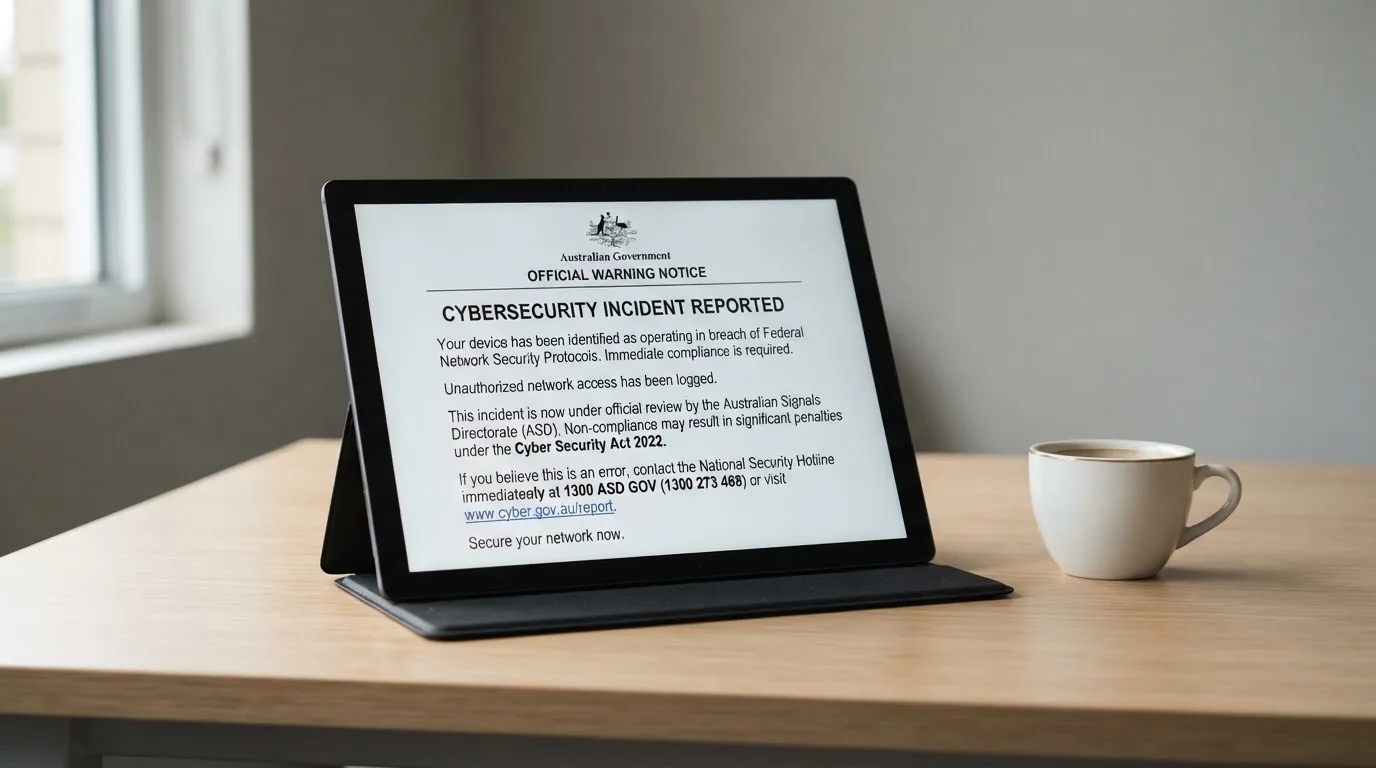
For a player the practical reading is short. Any site styled as Pokies Parlour — current domain, last quarter’s domain, the domain the brand migrates to next — is operating outside Australian law the moment it accepts an Australian customer’s deposit. The IGA targets the provider, not the punter: an Australian is not prosecuted for playing on an offshore site. What an Australian does not get is the consumer protection framework that comes with a locally licensed operator. There is no Australian complaints body to escalate to, no local court that has jurisdiction over a Curaçao or Costa Rica-registered operator, and no guarantee that an account balance will survive an ISP block — the ACMA’s blocks operate at the network edge, and the player’s session and any unwithdrawn balance can be cut off mid-stream.
What the regulator has actually done
The ACMA has issued dozens of formal warnings since 2017 and has directed Australian ISPs to block thousands of websites in the same period. By the regulator’s own count as reported in June 2026, 1,751 illegal gambling and affiliate marketing sites had been blocked since the first blocking request in November 2019, and more than 230 unlicensed gambling services had left the Australian market entirely since enforcement was strengthened. The blocking requests are batched: a round reported on 26 June 2026 alone took out twelve more sites — 7Signs, ChromaBet, Donbet, Duospin, Freshbet, Slots Gem, Jacks Club, Lucky Start, Pointsbetz.com, Spinrise, Vinyl Casino and Wildsino — and the regulator names the operator behind each one.
Behind the blocking orders are the formal warnings. These are the regulator’s first formal move under section 64A of the IGA, sent to the named provider of a prohibited service and published on the ACMA site so the action is on the record. A warning is not a fine and not a block. It is a written notice that the regulator has formed the view the service breaches the IGA and that further enforcement may follow if the service does not stop offering itself to Australians. Most of the brands named on the comparison table below sit on a list of warnings issued between 2022 and 2026, and several of them have been warned more than once — Dama N.V. alone has received a warning covering Bambet, Dazard, Level Up, Rocketplay, Wild Tornado and Cobra Casinos in 2022 and further warnings over Woo Casino in March 2025 and Spirit Casino in May 2025.
For a player the picture this draws is straightforward. The regulator is doing what it can with the tools it has. Each warning, each block, removes one address from the network; the operators behind the brands tend to reappear on a new domain. What the regulator cannot do is chase the player. That is the responsibility the player keeps.
The bonus structure Pokies Parlour and its sibling brands pitch
The signature move across the Pokies Parlour-style domains is the multi-deposit welcome package. Instead of one deposit match, the offer stacks across the first several deposits — usually four to seven — each tier smaller than the last. The point of the structure, from the operator’s side, is turnover. A punter who takes the headline as the bonus is committing to clear a fresh wagering requirement every time the next deposit is made, and each new tier resets the clock.
The arithmetic of that is not complicated, but it is rarely spelled out on the page where the offer is made. A A$500 bonus with a 40-times wagering requirement is A$20,000 of action before any of it can be withdrawn. Stack that across four tiers and the player is looking at closer to A$80,000 of action before the cumulative bonus has any chance of clearing. The house edge on the pokies used to clear the bonus — typically in the 3% to 5% range, depending on the title — means the expected loss over those A$80,000 of spins is on the order of A$2,400 to A$4,000 before the bonus is paid out. That is the real cost of a bonus that on the marketing page looked like free money.
The constraint that bites hardest on the player is the max-cashout cap. Most Pokies Parlour-style offers carry a cap on what can actually be withdrawn from a no-deposit or first-deposit bonus — the kind of limit that turns a headline win into a small payout before the marketing copy ever mentions the rule. The site has every reason to keep that figure buried in the terms; the punter who does not read the bonus T&Cs is the punter who discovers the cap at withdrawal.
The other quirk of the multi-tier structure is how it interacts with game weighting. Pokies almost always contribute 100% of the wagered amount toward the requirement; table games and live casino contribute a fraction of that — usually 10% or 5%, sometimes zero. A punter who likes blackjack and assumes a deposit bonus can be cleared at the felt has not read the weighting table. The bonus then expires before the requirement is met, the winnings are forfeit, and the cycle starts again on the next deposit.
Why the offer is structured this way
Multi-deposit packages exist because they work on the player’s psychology. One big headline number is more attention-grabbing than four smaller ones, so the operator stacks the figures to produce a single, larger-looking headline and then dresses each tier in its own smaller match number. The player’s first deposit is the largest match — say 200% up to A$500 — and the later tiers drop to 100% and then 50%, so the headline reads as if the whole A$2,777 was offered at the opening rate. It was not. The T&Cs spell out the per-tier breakdown, but most players read the headline and move on.
The other reason the offer is split across deposits is the lock-in. Each tier has its own wagering requirement, and each tier has to be cleared before the next deposit bonus is paid out. A punter who clears the first deposit and moves to the second is in effect starting a fresh wagering requirement on a fresh bonus balance, which the casino treats as a separate pot of money from the first. Some packages forbid even opening the next tier before the first is cleared; others allow it but suspend the active bonus while the new one is in play. Either way the punter is running several wagering requirements in sequence, and the expected loss on each is a function of the bonus size, the wagering multiple and the house edge of the game being played to clear it.
The promotional language the package uses — “free spins”, “cash bonus”, “match bonus” — is itself a thing to read carefully. “Free spins” bonuses frequently come with the winnings from the spins subject to the same wagering requirement as a deposit match. “Cash” bonuses usually are not cash in the sense a punter means; they are bonus funds that have to be cleared before they become withdrawable. The phrase “no deposit” in a Pokies Parlour-style ad is the most loaded of the three. The punter does not have to deposit to claim it, but the cap on what can be withdrawn from a no-deposit bonus is usually the tightest of any of the offers on the site, and the wagering requirement is usually higher.
The wagering math, in plain prose
Take a first-deposit bonus of A$500 at a 40-times wagering requirement. The required turnover is A$500 multiplied by 40, which is A$20,000 of action before the bonus is withdrawable. At a slot house edge of around 4%, the expected loss over A$20,000 of spins is roughly A$800 — the bonus’s real cost, before any of the original deposit is even in play. That is the figure the marketing copy does not mention.
Now extend the same math across four tiers — A$500, A$500, A$500 and A$500 — at the same 40-times multiplier. The required turnover across the package is A$80,000, and the expected loss over the four clear-downs is in the order of A$3,200, again before any consideration of whether the player wins or loses on the underlying session play. The headline was A$2,777 in bonus funds. The real cost to the player of clearing the headline is several thousand dollars in expected losses, and that is before a max-cashout cap or a game weighting clause has had anything to say.
The math has a corollary the marketing copy also does not mention: the time it takes to clear the bonus. At a typical slot spin rate of one spin every five seconds, A$20,000 of turnover at a A$1 stake is A$20,000 spins, which is 100,000 seconds of play or about 27.8 hours of continuous spinning for the first tier alone. Four tiers at the same parameters is just over 111 hours of play to clear the package. The marketing does not put a clock on the bonus, but a bonus expiry clause usually does — most packages carry a 30-day or 90-day window inside which the wagering has to be cleared, and an expired bonus is forfeit. A punter who has not factored the time into the claim is a punter who will lose the bonus to a clock they did not know was running.
The paytable detail commonly advertised
The pokies catalogue on Pokies Parlour-style domains is almost always built around RealTime Gaming (RTG) and a smaller set of providers — Rival, Betsoft, sometimes Pragmatic Play — that have integrated with the platform. RTG is the long-established offshore studio that built the cashier integration most of these sites share, and the catalogue tends to cluster around a few high-profile titles.
The advertised paytable detail usually centres on one or two named games. The most commonly advertised are the RTG progressive jackpots — Aztec’s Millions and Megasaur — alongside the studio’s mid-volatility pokies like Achilles, Cash Bandits and Bubble Bubble. The progressive jackpots are pitched because the headline seed amount is large and the marketing copy can quote a six-figure number. The mid-volatility pokies are pitched because they have a broad appeal and a recognisable theme.
What the marketing rarely puts beside the title is the published RTP, which is the long-run percentage the game returns to the player as winnings. RTG titles vary; some run in the mid-90s as a percentage, others in the high-80s, and the exact figure for any given title is usually buried in the in-game help file rather than on the paytable summary. Volatility — the spread between the size of wins and the frequency of wins — is similarly a property of the title that the marketing copy does not foreground. A high-volatility pokie pays out less often but in larger chunks; a low-volatility pokie pays out more often but in smaller amounts. The same headline RTP looks different on a session-by-session basis depending on which side of that range a given title sits on.
The other thing the paytable detail usually omits is the bonus feature frequency. A pokie that pays out the headline jackpot once every hundred thousand spins is not the same proposition as one that pays it out once every million, and a punter who treats the two as interchangeable has not been given the data they need to tell the difference. The T&Cs of the bonus may also exclude certain titles from the wagering contribution; a pokie that pays out a progressive jackpot in the middle of a bonus clear can void the bonus, and the player can find themselves back at square one. These are the kind of rules that the punter who reads the marketing and stops reading has not seen.
How the live casino offering usually reads
The live dealer section of a Pokies Parlour-style site, where there is one, is a smaller affair than the slot catalogue. The streams are typically Visionary iGaming (ViG) tables — blackjack, roulette, baccarat, sometimes Super 6 — rather than the Evolution or Pragmatic Play Live tables an Australian licensed product would use. ViG is a smaller studio that has made a market of itself supplying offshore operators with a live casino product that runs on a thinner budget than the major studios. The games are recognisably live dealer — a real human, a real wheel, real cards — but the production values are lower than what the bigger studios produce and the table limits tend to be tighter on the high end.
For an Australian punter the live casino offering is mostly a question of whether the studio is licensed in a jurisdiction the ACMA recognises. It is not. The offshore regulator that licensed the studio is the offshore regulator, and the ACMA’s view on the offering is the same view it holds on the rest of the site — it is a prohibited interactive gambling service under the IGA and the operator is on notice.
The contribution table most players never read
Every Pokies Parlour-style domain publishes a contribution table somewhere in the T&Cs. The table maps the casino’s game categories to the percentage of each wagered dollar that counts toward the wagering requirement. The table is the rulebook for the bonus, and almost no one reads it before signing up.
The usual layout: pokies contribute 100%. Scratch cards and keno usually contribute 100%. Roulette and blackjack in their standard form contribute something between 5% and 20%. Video poker sits at around 30% to 50%. Live casino games usually contribute 10% or zero. Some titles are excluded outright — usually the progressive jackpots and a small list of high-RTP pokies that the operator considers too easy to clear a bonus on.
A punter who plays the game they actually want to play and assumes the bonus will clear at the rate the marketing suggested has not read the contribution table. The bonus will clear at the rate the contribution table dictates, which is a slower rate than the marketing suggested for any game other than slots. The practical effect is that the bonus takes longer to clear, expires before it has cleared, or clears at a rate that produces a higher expected loss than the punter budgeted for.
Comparing the ACMA’s record on offshore casino operators
The table below is not a ranking. It is the register of operators the ACMA itself has acted against in formal warnings published on the regulator’s site, set out so an Australian punter can see exactly which brands have been on the wrong end of an ACMA letter and when. The table is sorted to match the order the regulator’s warnings are typically grouped in, with the most recent actions at the top.
| Brand | ACMA action and date | Operator named by the ACMA | Subject support |
|---|---|---|---|
| RocketPlay | Formal warning, March 2026; earlier warning against the same brand via Dama N.V., May 2022 | Pulsup Ltd (Rocketplay.com.au) | listings-only |
| Jackbit | Formal warning, April 2026 | Ryker B.V. | — |
| Level Up Casino | Formal warning, May 2022 | Dama N.V. | listings-only |
| Woo Casino | Formal warning, March 2025 | Dama N.V. | — |
| Spirit Casino | Formal warning, May 2025 | Dama N.V. | — |
| National Casino | Formal warning, July 2025 | Consolutetish S.R.L. | listings-only |
| Bizzo Casino | Formal warning, July 2025; earlier warning via TechSolutions, 2022 | Consolutetish S.R.L. | listings-only |
| Ignition Casino | Formal warning, July 2025 | Bamboo Media | — |
| Instant Casino | Formal warning, February 2025 | EOD Code SRL | listings-only |
| Casino Intense | Formal warning, April 2025 | Sterplay Holding Ltd | listings-only |
| Sky Crown | Formal warning, September 2022 | Hollycorn N.V. | — |
Reading the table row by row shows the pattern the ACMA’s enforcement has produced. Three of the brands — RocketPlay, Level Up and Bizzo Casino — have been the subject of more than one warning, because the operator behind the brand has cycled through a series of trading entities. Dama N.V. alone is named on the Level Up, Woo Casino and Spirit Casino warnings; the regulator warned the operator once, the operator carried on under the same brand or a sibling brand, and the regulator warned it again. The same pattern recurs with Consolutetish S.R.L. on National Casino and Bizzo Casino.
The “Subject support” column deserves a reading of its own. A “listings-only” tag means the supporting information about that operator on the page comes from third-party listings sites — Gamblinginsider.com, Ecopayz.com, Payid.com.au, betstop.gov.au and the like — and not from the operator’s own product pages. None of the operators on the table is supported by a verifiable Australian regulatory approval; the column reflects what the third-party listings have carried, not any endorsement of the brand. A dash in the column means the operator has not surfaced in the listings the page consulted, so neither the brand nor its offerings are affirmed or denied on that ground; the ACMA action stands on its own.
What the table does not show is the size of the offshore market behind these eleven brands. H2 Gambling Capital’s 2025 report estimated that Australians lose about A$3.9 billion a year to illegal gambling sites, with the share of gambling going through legal channels falling from 74% in 2021 to 64%. The eleven operators above are the ones the ACMA has had time to formally warn; the broader market is several hundred operators deeper.
What a single warning round actually does
A formal warning under section 64A is the regulator’s first formal move. It is a letter to the named provider of a prohibited interactive gambling service, identifying the service, identifying the breach and putting the provider on notice that further enforcement — civil penalties, injunctions, blocking orders — may follow. The ACMA publishes the warning on its site, which makes the action public and gives the operator a record to answer to.
A blocking order is what comes after. The ACMA asks Australian ISPs to prevent their customers from resolving the named domain; the ISPs comply by routing the request to nowhere or to a regulator-supplied landing page. A blocked site is not technically reachable in Australia without a VPN or an overseas connection, and any balance a player had on the site at the moment of blocking can be locked behind a domain that no longer resolves for them.
The blocking rate since 2017 is the figure the regulator itself emphasises in its public reporting. By the regulator’s own count, 1,751 illegal gambling and affiliate marketing websites had been blocked since the first blocking request in November 2029 — a more than eight-year arc of enforcement that has accumulated a block roughly every two business days on average. Run as a band with its condition, the ACMA’s blocking rate sits between 200 and 250 sites removed from the Australian edge per year over the period since 2017, with the rate stepped up after the 2017 amendments and held broadly steady since. The condition is that the figure is the count of distinct domains the regulator has acted against, not the count of distinct operators behind those domains, and that the rate includes affiliate marketing sites that did not themselves offer gambling services but advertised operators who did.
The pattern behind the warnings
The pattern behind the ACMA’s enforcement record is one of operator persistence. The same brand reappears under a new parent company; the same parent company reappears under a new brand; the same domain reappears under a new TLD. The regulator’s response is to follow the brand through each of these transitions and warn each new operator in turn, which is why a brand like RocketPlay has been the subject of warnings to two different entities and why Dama N.V. has been warned three times across three different brand names.
For the punter the practical reading is that an offshore operator’s “fresh” domain is not necessarily a fresh operator. The same back office, the same cashier, the same RTG catalogue, the same bonus terms, frequently. The only thing the domain change actually changes is the address bar in the punter’s browser and the regulator’s list of pending enforcement actions.
The operator set the ACMA has acted against
Each brand below has been the subject of at least one ACMA formal warning under the Interactive Gambling Act 2001. The brands are not in order of preference — there is no Australian preference scale to rank them on, because the regulator does not license any of them and the ACMA’s view of each is the same: the offering is a prohibited interactive gambling service. The list is organised to keep the operator groups together, with each section carrying a verdict on what the brand’s specific history on the ACMA register actually means for a player who runs into the marketing.
RocketPlay
RocketPlay is the brand with the freshest entry on the ACMA register and the longest paper trail behind it. In March 2026 the ACMA issued a formal warning to Pulsup Ltd over Rocketplay.com.au, identifying the .com.au localisation of the brand as a prohibited interactive gambling service offered to Australians. The same brand had earlier been the subject of a May 2022 warning to Dama N.V., one of six brands covered in a single warning letter that included Bambet, Dazard, Level Up, Wild Tornado and Cobra Casinos. The intervening years saw the brand change hands twice, which is what the regulator’s repeated action against it is a record of.
What an Australian punter actually meets in the marketing is a multi-tier welcome package split across several deposits, a roster of RTG pokies, and the same Visa/Mastercard/crypto deposit menu the platform shares with its sibling brands. The bonus structure is the lever the offer pulls, and the same lever the operator’s other brands pull. The ACMA’s two warnings against the same brand across two different parent companies is the clearest single-line summary of how persistent the operator behind RocketPlay has been.
The verdict here is the cost of doing business with a brand the regulator has had to warn twice. The brand has cycled through two parent companies in the regulator’s records, the offer has stayed structurally similar across both, and the regulatory status of any deposit an Australian sends is the same. There is no version of RocketPlay the ACMA considers a licensed offering, and there is no Australian complaints body to escalate to if the withdrawal stalls.
Level Up Casino
Level Up Casino is the second Dama N.V. brand on the ACMA’s 2022 list. The May 2022 warning to Dama N.V. covered six brands in one letter and Level Up was among them; the regulator has not had to write a separate warning against the Level Up brand since, because the underlying operator — Dama N.V. — has been the subject of further warnings over Woo Casino in March 2025 and Spirit Casino in May 2025. The Level Up name has stayed on the regulator’s original warning letter as a brand Dama N.V. was providing prohibited services through.
For a player, the read-through from Level Up to Woo Casino and Spirit Casino is that the three brands share an operator and very likely share a back office. The bonus ladder, the cashier and the catalogue are typically drawn from a common template across the group, with the brand name changed out at the top of the page and the colours swapped in the header. The “listings-only” subject support on Level Up means the third-party listings have carried the brand as a live offering but the page is not drawing on the brand’s own product claims.
The verdict on Level Up is that the brand is one of three the ACMA has formally warned Dama N.V. over, which is the longest enforcement history on the regulator’s register against any single operator behind the brands on this page. A punter who treats the Level Up brand as a separate proposition from Woo Casino or Spirit Casino has not read the regulator’s record.
Woo Casino
Woo Casino is the Dama N.V. brand the ACMA had to write a second letter about. The original 2022 warning covered Dama N.V.’s wider portfolio; the March 2025 warning was a fresh letter specifically naming Woo Casino. That pattern — a broad 2022 warning followed by a brand-specific 2025 warning — is the regulator’s response to an operator that did not stop offering the service to Australians after the first letter.
The casino’s own product, where it surfaces in third-party listings, is the same RTG catalogue the group’s other brands run. The no-data subject support tag here indicates that independent third-party assessments of the brand are unavailable; the brand’s profile is derived entirely from the ACMA’s enforcement record.
The verdict on Woo Casino is that it is the brand the regulator had to write a second time. The first warning was insufficient to stop the offering; the second was issued two and a half years later. The same offer is, in the regulator’s reading, still a prohibited service being offered to Australians.
Spirit Casino
Spirit Casino is the third Dama N.V. brand on the ACMA’s record. The May 2025 warning came two months after the Woo Casino letter and is the most recent of the three. The regulator has now warned the same operator across three brand names in three years, with the original 2022 letter naming six further brands that the operator has either closed or rebranded away from.
The no-data subject support tag is consistent with the Woo Casino entry, as independent product reviews for Spirit Casino are absent. The brand’s profile is derived entirely from the ACMA’s enforcement record.
The verdict on Spirit Casino is the freshness of the regulator’s action. The May 2025 warning is recent enough that an Australian who tries to register today is doing so on a brand the regulator told to stop offering to Australians two months before the offer was first published on the page they are reading.
National Casino
National Casino is the first of the two Consolutetish S.R.L. brands on the ACMA’s July 2025 warning round. The warning covered both National Casino and Bizzo Casino in the same letter, identifying Consolutetish S.R.L. as the operator of both. National Casino is the senior of the two brands in the sense that it carries the regulator’s listing under that name; Bizzo is the brand the regulator had previously warned under a different operator in 2022.
The “listings-only” subject support here draws on the ACMA register, the AUSTRAC enforcement record and BetStop, the National Self-Exclusion Register. The last of these is worth pausing on, because BetStop binds Australian-licensed online wagering operators only. An offshore casino such as National Casino is not connected to BetStop — a self-excluded punter who then opens a National Casino account has not breached a BetStop exclusion, because BetStop has no jurisdiction over the operator. The “listings-only” tag does not change that; it is the operator’s standing that the page is reporting on.
The verdict on National Casino is that the brand has been the subject of a regulator warning within the last twelve months, with the operator behind it — Consolutetish S.R.L. — having received the same warning for a sibling brand at the same time. The freshest part of the record is the most relevant.
Bizzo Casino
Bizzo Casino is the second Consolutetish S.R.L. brand on the July 2025 warning. It is also the brand with the longest enforcement history on the regulator’s record. The July 2025 letter to Consolutetish S.R.L. followed an earlier 2022 warning to TechSolutions (CY) Group Limited and TechSolutions Group N.V. over Bizzo Casino specifically — meaning the regulator has now warned two different operators over the same brand within three years. The pattern is the RocketPlay pattern, scaled up.
The “listings-only” subject support for Bizzo draws on Gamblinginsider.com. The same caveat that applied to National Casino applies here: an offshore casino’s standing in a third-party listing does not change the regulator’s view of the offering, and BetStop does not bind the operator.
The verdict on Bizzo is that the brand is on the regulator’s record twice, under two different parent companies. The brand has outlived two operator transitions, and the regulator has tracked it through both.
Ignition Casino
Ignition Casino is the Bamboo Media brand on the regulator’s July 2025 warning round. Bamboo Media is the operator named in the warning, with Ignition Casino the service the warning covers. Bamboo Media is a smaller operator than Dama N.V. or Consolutetish S.R.L., and Ignition is one of two services the regulator named on the same letter — the second is unnamed in this page’s research, but the warning round was the same one that took in National Casino and Bizzo Casino.
The no-data subject support tag here means the page has no third-party listing to draw on for Ignition Casino’s product offering. The brand’s standing on the Australian market is the ACMA’s enforcement record alone.
The verdict on Ignition is that the brand is on the regulator’s record as a prohibited service offered to Australians by an operator that had not previously appeared on the ACMA’s published warning list. The July 2025 warning is the regulator’s first formal move against Bamboo Media.
Instant Casino
Instant Casino is the EOD Code SRL brand the ACMA warned in February 2025. The warning is one of the earlier actions of 2025 — preceding the Woo Casino letter by a month and the Spirit Casino letter by three — and it was the regulator’s first formal action against EOD Code SRL.
The “listings-only” subject support draws on the Ecopayz and PayID sites. Neither of those sources is an endorsement of the operator; the PayID site in particular is a payments industry page that warns Australians about being asked to send to a PayID on an illegal gambling site, which is exactly the kind of payment flow Instant Casino would have to use to receive an Australian deposit.
The verdict on Instant Casino is the freshness of the regulator’s action. February 2025 is recent enough that the brand’s offshore status is not in any dispute; an Australian punter who tries to play has been told by the regulator that the offering is prohibited.
Jackbit
Jackbit is one of the two Ryker B.V. brands the ACMA warned in April 2026. The second is CasinOK. Both brands came onto the regulator’s record at the same time, identifying Ryker B.V. as the operator of both prohibited services. April 2026 is the freshest ACMA action in the table.
The no-data subject support tag means the page has no third-party listing to draw on for either Jackbit or CasinOK. The brands stand on the ACMA record alone, and the ACMA record names Ryker B.V. as the provider behind both.
The verdict on Jackbit is that the brand is on the regulator’s record within the last six months, with the operator behind it freshly named and freshly warned. The offering is, in the regulator’s reading, still live.
Casino Intense
Casino Intense is the Sterplay Holding Ltd brand the ACMA warned in April 2025. The warning was the regulator’s first formal action against Sterplay Holding Ltd and named Casino Intense as the prohibited interactive gambling service offered to Australians by that operator.
The “listings-only” subject support here carries the same caveat as on the other brands: AUSTRAC’s threshold-transaction-report rule applies to physical cash transfers of A$10,000 or more, not to ordinary electronic bank transfers, so the payments infrastructure that AUSTRAC’s reporting framework covers is not the payments infrastructure the ACMA’s enforcement targets. BetStop, again, does not bind Sterplay Holding Ltd. The ACMA register and the Gamblinginsider.com listing are the support the page draws on.
The verdict on Casino Intense is the same verdict that applies across the table: the brand is on the regulator’s record as a prohibited service, and the operator behind it is on notice.
Sky Crown
Sky Crown is the Hollycorn N.V. brand the ACMA warned in September 2022. The warning is the oldest entry on the table and the regulator’s first formal action against Hollycorn N.V. It covered Sky Crown and a second brand, Blue Leo, in the same letter.
The no-data subject support tag means the page has no third-party listing to draw on for Sky Crown’s product offering. The brand’s standing on the Australian market is the ACMA’s enforcement record alone.
The verdict on Sky Crown is the length of time the brand has stayed on the regulator’s record. The 2022 warning is now four years old, and the brand has not been the subject of further enforcement. That is not a clearance — there is no clearance process under the IGA, and the warning remains on the regulator’s published register. It is, however, the longest gap between ACMA action and present day in the table.
Payments and the cost of getting money in and out
The deposit menu on a Pokies Parlour-style site is the practical expression of the offshore problem. The Australian payments infrastructure has spent the last several years being closed to offshore gambling, and the operator’s response is to route around the closure. The result is a deposit menu that mixes the cards and transfers an Australian punter is familiar with, the crypto routes the operator prefers, and a handful of intermediaries that paper over the gap.
The credit card ban and what it means
Since 11 June 2024 it has been an offence for an Australian-licensed online wagering service to accept a credit card or a credit-related product as a form of payment, with penalties of up to A$247,500 for operators who breach the rule. The ban was introduced under the Interactive Gambling Amendment (Credit and Other Measures) Act 2023 and amended the Interactive Gambling Act 2001 to add credit cards, credit-related products and digital currency to the list of payment methods that licensed operators cannot accept. The ban is on the licensed side — it does not technically prevent an Australian from using a credit card on an offshore site — but the offshore site still has to process the transaction, and most Australian-issued credit cards have been reissued under the bank’s own merchant-level restrictions that block gambling transactions at the card level.
Westpac’s gambling block is a card-level switch. Activated in the customer’s banking app, the block refuses authorisation of any transaction registered under the merchant category code for betting and casino gambling on an eligible personal credit or debit card. The block is at the card, not at the merchant; the card declines the charge before the merchant’s payment gateway ever sees it. ANZ’s gambling transaction block works the same way and additionally blocks gambling transactions made through a digital wallet such as Apple Pay on the eligible card, not just the physical card. Once activated, removing ANZ’s block requires a 48-hour waiting period — and the bank explicitly warns that not all gambling transactions will be blocked and some non-gambling transactions might be blocked in error.
The practical effect for an Australian punter is that the card they want to use is the card the bank does not want them to use it on. The punter who has turned the bank’s block off, or whose bank does not offer one, can still deposit with the credit card; the bank that offers the block has decided that the merchant category is the kind of category the bank would rather its customers not spend at. The card-level block is not in the IGA, but the result is the same — the card declines.
Digital wallets and the surcharge that isn’t Apple’s
Apple Pay, Google Pay and Samsung Pay transactions collectively accounted for around 45% of all card payments in Australia by number by the end of 2025. The wallet is a wrapper around the underlying card; the merchant sees the card’s network, not the wallet. Apple Pay itself charges no consumer fee in stores, online or in apps; any surcharge comes from the merchant’s own card-processing fees, not from Apple’s charges.
The relevant detail for an Australian punter is the second-order effect. Apple Pay is a front end for the underlying card, and the card’s network processes the charge. If the card is an Australian-issued Visa or Mastercard and the merchant is a gambling merchant, the card-network rules treat the charge as a gambling transaction. That is the same merchant category code that the bank’s gambling block operates on; the wallet does not change the code, it only changes how the card is presented at the terminal. A punter who assumes Apple Pay gives them a route around the card-level block has misunderstood what the wallet does.
Apple itself states that transaction limits and PIN requirements for Apple Pay purchases are set by the card issuer or merchant, not by Apple. The wallet respects whatever the issuer has set. The bank’s gambling block is the issuer’s setting; the wallet does not override it.
American Express and the surcharge it does not share
American Express is the three-party card scheme that issues cards and processes transactions itself, rather than working through the four-party model that Visa and Mastercard use. The scheme dates back to 1850 as a freight-forwarding company and to 1 October 1958 as the launch of its first charge card. Amex’s pricing model is different from Visa or Mastercard’s: the merchant pays a higher discount rate, and the merchant has historically passed that on as a surcharge.
The Reserve Bank of Australia’s July 2025 review proposed removing surcharges only on eftpos, Mastercard and Visa card transactions, and explicitly left American Express outside the scope of the proposed surcharge ban. That means an Amex-accepting merchant can still surcharge an Amex transaction at the rate the merchant’s agreement with Amex sets, which is typically higher than the rate Visa or Mastercard charge. For an Australian punter the practical effect is that an Amex deposit on an offshore site may carry a surcharge that a Visa or Mastercard deposit on the same site does not.
Amex’s higher merchant discount rate is also why some merchants do not accept Amex at all. A Pokies Parlour-style site that does accept Amex has accepted a higher processing cost than a site that only accepts the four-party networks, and the merchant’s pricing on the deposit may reflect that.
PayID, Osko and the instant bank transfer
Osko is the instant bank transfer service run by Australian Payments Plus (AP+). A bank transfer between participating Australian banks arrives in under a minute, 24/7 including weekends, whether it is addressed to a BSB and account number or to a PayID. PayID is the addressing layer that sits on top of Osko: the punter enters a PayID — usually a mobile number or an email address — and the receiving bank’s systems resolve it to a BSB and account number before the transfer is sent.
PayID has a feature that makes it especially relevant to the offshore gambling problem. Before the transfer is sent, the sender’s banking app shows the name registered against the PayID at the receiving bank. AP+ warns explicitly that being asked to transfer money to a PayID on an illegal gambling site almost certainly means a scam site — the warning is on the PayID site itself. The reasoning is that an offshore gambling operator asking for a PayID transfer is asking the punter to send money to an Australian bank account that has nothing to do with the operator, because the operator does not have an Australian bank account. The transfer goes to a money mule, and the operator picks it up downstream.
PayID-based instant transfers are available at over 100 Australian financial institutions, and more than 25 million PayID identifiers had been registered on the New Payments Platform as of April 2025. The platform itself — Australia’s New Payments Platform — went live on 13 February 2018 and is owned by New Payments Platform Australia Ltd, a non-profit whose 13 shareholders include the Reserve Bank of Australia and the country’s major banks. Participants in the platform must keep monthly outages to no more than two minutes; in 2021 the ACCC authorised merging NPP Australia with BPAY and eftpos into a single company, Australian Payments Plus.
BPAY and the bill-payment channel
BPAY is the bill-payment service in Australian online banking that lets a payer enter a Biller Code and a Customer Reference Number (CRN) printed on a bill. The service has operated since 1997 — launched on 18 November that year — and is available through the online banking of over 140 banks and financial institutions and offered by over 95,000 businesses. BPAY is run by Australian Payments Plus (AP+), the same operator that runs PayID and Osko, and is owned equally — via parent company Cardlink Services Limited — by Australia’s four major banks: ANZ, Commonwealth Bank, National Australia Bank and Westpac.
BPAY is not a payment method an offshore gambling site typically offers for deposits. It is, however, the bill-payment channel through which an Australian licensed wagering operator’s deposits are sometimes routed, and it is the channel an Australian punter is most likely to recognise as legitimate. The fact that an offshore site does not offer BPAY is one of the cleaner tells of the offshore status: the licensed Australian bookmakers offer it because they have Australian bank accounts and Australian billing relationships; the offshore sites do not.
AUSTRAC, threshold reports and what they do not catch
AUSTRAC’s threshold-transaction-report rule requires reporting of transfers of A$10,000 or more. The rule applies only to physical cash, not to ordinary electronic bank transfers. A punter who sends a A$15,000 bank transfer to an offshore site is not, by virtue of the size alone, triggering an AUSTRAC threshold report.
The rule is one an Australian punter sometimes assumes is a backstop on large gambling transfers. It is not. The reporting trigger is physical cash, and an electronic bank transfer is not physical cash regardless of amount. The backstop on large gambling transfers to offshore sites is the bank’s own transaction monitoring, not the AUSTRAC threshold rule. A punter who relies on the threshold rule to flag a suspicious transaction has relied on the wrong rule.
What the ACMA’s blocking rate actually looks like
The regulator’s own record gives the rate its name and its scale. The first blocking request went out in November 2019; by the regulator’s own count as reported in June 2026, 1,751 illegal gambling and affiliate marketing websites had been blocked in the seven years since. Run as a band with its condition, the rate is between roughly 215 and 265 sites removed from the Australian edge per year over the period since the 2017 amendments, with the rate stepped up after the amendments took effect and held broadly steady since. The June 2026 blocking round alone took out twelve sites — 7Signs, ChromaBet, Donbet, Duospin, Freshbet, Slots Gem, Jacks Club, Lucky Start, Pointsbetz.com, Spinrise, Vinyl Casino and Wildsino — and is a representative slice of a single batch.
The condition on the rate is the same condition that sits on any aggregate of the regulator’s actions: the count is of distinct domains, not of distinct operators, and the same operator can sit behind several of the domains. The rate also counts affiliate marketing sites that did not themselves offer gambling services but advertised operators who did, which inflates the figure relative to the count of casino operators alone. Read the rate that way, the regulator is closing one affiliate marketing link and one operator offering roughly every business day on average.
What the rate does not capture is the rate at which new domains appear. An operator that loses a domain to a blocking order typically reappears on a new domain within weeks. The blocking rate is a measure of enforcement activity; the appearance rate is the market’s response. The two move together, with the regulator slightly behind.
What a blocked domain looks like from a punter’s side
When the ACMA asks an Australian ISP to block a domain, the ISP routes the request to nowhere or to a landing page the regulator supplies. The punter who types the URL into their browser sees either a connection error or the regulator’s notice. The page they were going to is not there.
For the punter already on the site, the block is less clean. The session that was live when the block went in can keep running for a few seconds as the DNS cache on the customer’s device ages out; the next request to the domain will fail. Any balance the punter had on the site at the moment of blocking is, in practical terms, locked behind a domain the punter can no longer reach from an Australian IP. The operator’s cashier is the only path to the balance, and the cashier is on a domain the regulator has acted against. The punter’s recovery options are limited to the operator’s own dispute process — which is the offshore operator’s dispute process, with whatever consumer protection framework the operator’s licence jurisdiction offers.
The 2026 reform agenda
The Interactive Gambling Amendment (Gambling Reform) Bill 2026 passed Parliament on 19 August 2026. Its advertising and inducement measures are scheduled to commence on 1 January 2027, which makes the bill law with a start date rather than law in force on a 2026 page. The reform is expected to tighten the rules on gambling advertising in Australia and to extend some of the inducement restrictions that already apply to licensed wagering onto the marketing that reaches Australian consumers through affiliate channels.
For a Pokies Parlour-style offshore site the reform’s direct bite is limited — the regulator’s existing powers already cover the offering of prohibited services, and the reform does not change the IGA’s definition of what is prohibited. The reform’s indirect bite is on the affiliate marketing sites that carry the offer to Australian consumers. The 1,751 figure in the regulator’s count includes affiliate sites, and the reform’s inducement measures are aimed at the marketing channel as much as at the offering.
The cost side of the equation
The cost of an offshore casino relationship is the cost that is hardest to see from the marketing page. The bonus structure is designed to be visible; the cost structure is designed to be looked at only after the deposit has been made and the bonus has been claimed.
The expected-loss calculation is the cleanest expression of the cost. A first-deposit bonus of A$500 at a 40-times wagering requirement implies A$20,000 of required turnover. At a typical slot house edge of around 4%, the expected loss over that turnover is on the order of A$800 — the bonus’s real cost to the player, before any consideration of the original deposit or of any wins on the underlying session play. Stack that across four tiers at the same parameters and the expected loss across the package is in the order of A$3,200.
The expected-loss number is a statistical estimate, an average over many spins under the stated assumptions, not a guaranteed outcome for any single player. The player who runs well during a clear-down will lose less; the player who runs badly will lose more. The figure is what the player should budget for, in the same way an insurance premium is what the policyholder budgets for.
The other cost is the time. At a typical spin rate of one spin every five seconds and a A$1 stake, A$20,000 of turnover is 100,000 seconds or about 27.8 hours of continuous spinning for a single tier. Four tiers at the same parameters is over 111 hours of play to clear the package. Most bonus offers carry a 30-day or 90-day expiry on the wagering requirement; the punter who has not budgeted the time will lose the bonus to a clock they did not know was running.
The max-cashout cap is the third cost. A punter who clears the bonus and tries to withdraw the winnings discovers that the bonus T&Cs cap the withdrawal at a figure that is usually a small multiple of the bonus amount. Anything above the cap is forfeit. The cap is buried in the terms; the marketing page does not mention it.
The fourth cost is the jurisdictional one. The operator is offshore; the regulator is Australian; the dispute resolution is whatever the operator’s licence jurisdiction offers. A punter who has a withdrawal refused has the operator’s own complaints process, the eGaming regulator the operator reports to (where one exists), and no Australian body with the authority to compel a payout. The protections an Australian licensed bookmaker offers — local complaints escalation, local dispute resolution, the local consumer protection framework — are not available on the offshore site.
Why the bonus is structured to obscure the cost
The multi-deposit welcome package is structured to make the headline number feel larger than the per-tier number and to make the per-tier number feel larger than the bonus’s real cost. The punter who reads the headline and stops reading has missed the wagering requirement, the game weighting, the time budget, the max-cashout cap and the jurisdictional caveat. The punter who reads the T&Cs has read all of them.
The marketing copy does not put the cost in a single number anywhere on the page. The cost is reconstructed from the wagering requirement and the house edge, and the punter who does not reconstruct it does not see it. The expected loss over a A$2,777 welcome package, cleared at typical slot weighting and house edge, is in the A$3,000 to A$4,000 range. The marketing copy does not say that either.
The right reading of the ACMA’s enforcement
The right reading of the ACMA’s enforcement record is that the regulator is doing what it can with the tools it has. Each formal warning, each blocking order, removes one domain from the Australian edge. The operators behind the brands tend to reappear on a new domain within weeks, and the regulator has to follow them through each transition. The 1,751 figure in the regulator’s count is the count of domains acted against, not the count of operators stopped.
The other right reading is that the regulator’s view of the offering is the regulator’s view: each of the brands on the comparison table above is a prohibited interactive gambling service in the ACMA’s reading, and the regulator has said so on the record. The provider is on notice; the punter is on their own.
Responsible gaming and what is actually available to an Australian punter
The responsible-gaming infrastructure in Australia is built around the licensed market. BetStop — the National Self-Exclusion Register — went live in August 2023 and binds every Australian-licensed online and phone wagering service, which means every Australian punter who has self-excluded through BetStop is excluded from every licensed wagering operator in the country for the period of their exclusion. The register is the regulator’s response to the harm that multi-operator wagering markets can do, and it works because every licensed operator is connected to it.
An offshore casino is not connected to BetStop. A punter who has self-excluded through BetStop and then opens an account on a Pokies Parlour-style site has not breached a BetStop exclusion, because BetStop has no jurisdiction over the offshore operator. The offshore site does not check the BetStop register, because it does not have access to it, and it is not bound by it. A self-excluded punter who wants to gamble can still do so on the offshore site.
The National Gambling Helpline — 1800 858 858 — is the other piece of the responsible-gaming infrastructure. The line is free, operates 24/7, and is paired with chat support at Gambling Help Online. Both are funded by the Australian government and operated by the relevant state and territory counselling services. The Helpline is the right first call for a punter who is concerned about their own gambling or someone else’s, regardless of where the gambling has been happening.
The point of raising the Helpline here is not to redirect the punter from this page; it is to put the Helpline on the page. A punter who is reading about the cost of an offshore bonus offer and recognises the cost as their own is a punter who should be calling the Helpline before the next brand migrates to the next domain.
The age limit and what is at stake
The minimum age for any gambling activity in Australia is 18, and the rule is enforced at the licensed operator through the account-opening KYC checks the operator is required to run. An offshore site is not required to run those checks, and many of them do not run them at all. A punter who is under 18 and is reading about the bonus offer has, in practical terms, a shorter path to an offshore site than to a licensed one — the licensed site will block the registration; the offshore site may not.
The age limit is also the limit at which the ACMA’s enforcement priorities pivot. The regulator’s enforcement targets the provider; the individual player is not prosecuted. A punter who is over 18 and playing on an offshore site is not committing an offence under the IGA; the operator is. The punter does, however, lose the consumer protection framework the licensed market offers, and the punter who is under 18 has no business being on the site at all.
Frequently asked questions about Pokies Parlour and similar Australian-facing casino sites
Why does the site styled as Pokies Parlour appear across several different domain names?
The Pokies Parlour brand has migrated through several domains over the past few years, mostly in response to ACMA blocking orders. The same operator typically runs the new domain, and the bonus structure, the catalogue and the licence claim are usually carried across unchanged; only the address bar changes. Each new domain is a fresh attempt to reach Australian search traffic while the regulator catches up to the previous one. The bonus ladder, wagering requirements and game weighting are typically identical between the old and new domains.
Is a site styled as Pokies Parlour actually licensed to accept Australian players?
No. No state or territory in Australia licenses online casino games, online pokies or in-play betting, and the Interactive Gambling Act 2001 prohibits the offering of those services to a person physically in Australia. Any licence the site displays is an overseas one — usually Curaçao or Costa Rica — and is not recognised by Australian regulators. The ACMA has issued a formal warning under section 64A of the IGA against Pokies Parlour’s operators and has directed Australian ISPs to block the domain.
What deposit bonus does a site styled this way typically advertise on its various domains?
The signature offer is a multi-deposit welcome package — usually four to seven tiers — with a headline number such as A$2,777 that is reached by stacking the per-tier matches rather than offering them in one go. Each tier carries its own wagering requirement, typically in the 35-to-50-times range, and the package carries a max-cashout cap that the marketing copy does not foreground. The effective cost of clearing the headline, at typical slot house edge and weighting, runs into several thousand dollars in expected losses across the clear-down period.
How can someone tell which of several similarly named domains is currently being advertised?
The brand migrates to a new domain each time the regulator blocks the previous one. The current advertising domain is usually the top organic result for the brand name and is also carried by the affiliate marketing sites that push the offer; the ACMA’s published register of formal warnings is the cleanest cross-check, because the regulator names the operator behind each warning and the operator behind the new domain is usually a known entity. A punter who sees the brand on a domain not on the ACMA’s published register is not necessarily safer — the register lags the offering — but the register is the cleanest reference the regulator publishes.
What do reviews of a site like this usually say about its withdrawal process?
The third-party review and listing pages that cover Pokies Parlour-style brands typically raise slow withdrawals and max-cashout caps as the recurring themes. The offshore operator’s dispute resolution process is whatever the operator’s licence jurisdiction offers, and an Australian punter has no local body to escalate to if the operator refuses a withdrawal. The licensed Australian bookmakers offer a local complaints process and a local consumer protection framework; the offshore sites do not. The right way to read a third-party review is as a description of the typical punter’s experience with the operator, not as a guarantee of any individual punter’s experience.
Why would a brand like this run a sign-up bonus across the first several deposits rather than just the first?
The multi-deposit structure is a turnover and lock-in mechanism. Each tier carries its own wagering requirement, so a punter who claims the headline is committing to clear several rounds of wagering rather than one. The structure also lets the operator pitch a larger-looking headline by stacking smaller per-tier matches, which the marketing page presents as a single number. The punter who takes the headline at face value is committing to several rounds of expected loss and several weeks of bonus play before any of the bonus funds are withdrawable. The structure works on the player’s psychology in two ways: the headline feels generous, and the time budget feels small, until the player has cleared the first tier and the second tier is waiting behind it.