
Best new Australian online pokies in 2026: the honest answer and the lawful alternatives
28 October 2026 · figures and licence claims cross-checked against the Australian Communications and Media Authority register
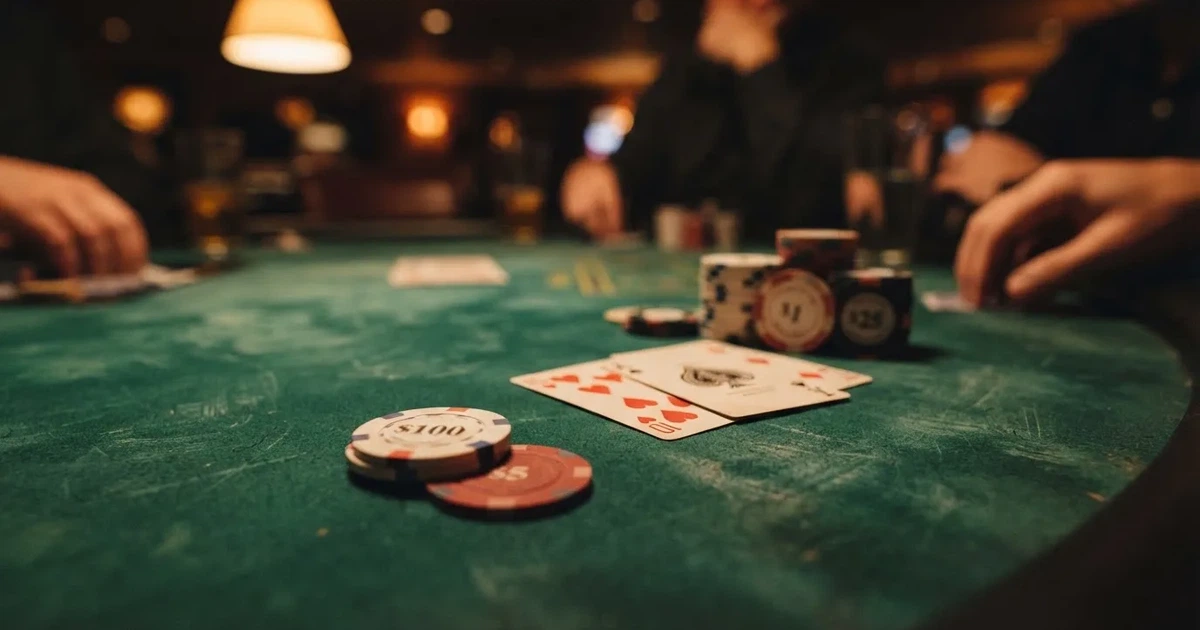
A search for “best new Australian online pokies” expects a shortlist of casinos. The honest answer is that the shortlist cannot exist in the form the search expects, and the page is worth writing only if it says so plainly. Offering online casino games to anyone in Australia is prohibited under the Interactive Gambling Act 2001, no state or territory issues a licence for it, and the Australian Communications and Media Authority has spent the past several years forcing offshore operators off the Australian market. The brands that surface in search results are brands the ACMA has acted against; promoting one to a reader sitting in Australia would mean recommending a service the regulator has formally warned or blocked.
What follows is the shape of that gap. The opening shelves set out the gameplay — what a “new pokies” release actually means, how the paytable and return-to-player work, and which titles recur across catalogues. The legal shelves trace the prohibition, the enforcement record, and the offshore brands that have run into it. The payment shelf covers PayID, BPAY and the credit-card ban that took effect in June 2024. The responsible-gaming shelf lays out BetStop and the support lines. The final shelf is a comparison of the brands the ACMA has acted against, written as a record of who has been warned, not as a ranking a reader should pick from.
A reader after a working casino recommendation will not find one here. A reader after what is actually available, and at what cost, will.
Table of Contents
- What a new pokies release actually is
- The legal position on offering online pokies to Australians
- Responsible gambling tools for an Australian reader
- How money moves for online pokies — and what is and is not available
- A comparison of brands the ACMA has acted against
- The lawful alternatives
- What the prohibition costs the Australian reader
- Where the law is heading
- The verdict on the page’s own question
- Frequently asked questions
What a new pokies release actually is
A “pokies” machine is an electronic gaming machine — slots in any other English — and the term has stuck in Australia since registered clubs began installing them in New South Wales in 1956. New South Wales alone now runs 87,298 of those machines outside casinos across 2,195 venues, with player losses of A$8.18 billion in 2022–23. Queensland runs another 21,122 across 351 venues; Victoria runs 26,380 outside Crown Melbourne under a 30,000-machine statewide cap. The machines are licensed and regulated state by state, with a separate minimum return-to-player in each: 85 per cent in New South Wales, the Northern Territory and Queensland, 87 per cent at Crown Melbourne, 87.5 per cent in South Australia and 90 per cent in Western Australia. Tasmania is in the middle of a pre-commitment reform that has slipped to late 2025.

A “new release” in catalogue language means a title the studio has just put into distribution. Studios push new releases on a roughly monthly cadence: a five-reel video slot with a fresh theme, a fixed payline or ways-to-win structure, a declared RTP, a volatility band and a feature set — free spins, multipliers, hold-and-respin or a Megaways-style reel modifier. Whether a release is “new” rather than “established” is a marketing decision more than a regulatory one. A title sits in the “new” tab of a lobby for the first four to eight weeks, then drifts to the general catalogue. Some titles — a flagship branded slot from a major studio — stay in the “new” slot longer because the studio is promoting it; a quieter release from a smaller studio may sit there for two weeks and disappear.
A new title is not the same thing as a “new” platform. The studios that build the games are a different layer from the brands that host them, and the ACMA’s enforcement targets the hosting brands, not the studios. The catalogues that surface under a search for “new online pokies” pull from the same handful of studios whichever brand hosts them, which is part of why the brands look interchangeable once a reader ignores the marketing.
The mechanics underneath the marketing
Two numbers define every pokie release: return-to-player and volatility. Return-to-player is the share of money wagered that the machine pays back over a very long run, expressed as a percentage. A 96 per cent RTP is a four per cent house edge baked into the math of every spin. The RTP on a licensed Australian club or pub machine cannot fall below the state minimum — 85 per cent in NSW, the Northern Territory and Queensland, 87 per cent in the ACT and Tasmania, 87.5 per cent in South Australia, 90 per cent in Western Australia. Those minimums are a floor, not a ceiling; a venue can run a machine well above its state’s minimum if the operator chooses to. Online catalogues tend to sit between 94 and 97 per cent for a typical video slot, with progressive jackpots and a few branded releases lower.
Volatility is the shape of the payout distribution. A low-volatility slot pays small amounts often; a high-volatility slot pays rarely and in larger chunks. The house edge is the same in expectation, but a player’s experience of an hour at the machine is wildly different. A high-volatility release can eat a small bankroll in twenty minutes of dead spins or produce a 200-times-line hit on the bonus; a low-volatility release gives a steady drip of five-times-line wins and the occasional ten-times-line bonus. The two numbers together tell a player what they are signing up for. A 96 per cent RTP at high volatility is not “the same” as a 96 per cent RTP at low volatility — the latter is the friendlier of the two to a player with a small bankroll.
The paytable sets out the symbol values, the line or ways structure, the bonus triggers and the cap on any feature. Reading the paytable is the only honest way to find out what a release actually does. The marketing around a release — the studio’s trailer, the affiliate’s screenshot — leads with the bonus round and a teaser of the maximum line hit. The paytable leads with everything else, including the cap on the bonus and whether a feature buy costs extra.
What the catalogues share
The same handful of providers sit underneath most online lobbies, and the games that recur are recognisable. Big-name studios push several new releases a month across a wide volatility range, and a smaller studio tier fills the gaps with themed slots. The titles move from brand to brand — the same game can appear in a dozen lobbies under a dozen different skins — and a new release in a studio’s pipeline tends to land on a dozen operators within a fortnight of launch. The “new pokies online” tag at the top of an affiliate list is, in practice, the same handful of releases across the same handful of brands.
The studios do not run a separate Australian product. The prohibition sits between the Australian reader and the operator, not between the studio and the brand.
The legal position on offering online pokies to Australians
The Interactive Gambling Act 2001, tightened by the Interactive Gambling Amendment Act 2017, makes it an offence to provide online casino games, online pokies or in-play betting to a person physically in Australia. No state or territory issues a licence for online casino games or online pokies; the only wagering products an Australian-licensed operator can offer are pre-event bets on races and sport, lotteries and keno. The Northern Territory Racing and Wagering Commission regulates 52 of Australia’s online bookmakers — Sportsbet, Bet365 and Ladbrokes among them — but those are wagering licences, not casino licences. The commission has no full-time staff, meets once a month in Darwin, and does not licence the kind of product a “best new Australian online pokies” search is asking about.
The 2026 reform cycle sharpened the frame further. The Interactive Gambling Amendment (Gambling Reform) Bill 2026 passed Parliament on 19 August 2026, with advertising and inducement measures commencing on 1 January 2027. The Bill is law with a start date, not a regime in force on a 2026 page; what is in force now is the 2001 Act and the 2017 amendments. The reading of the prohibition has not changed in 2026: it is the same prohibition the ACMA has been enforcing for the past several years, and the enforcement record has only thickened.
Where the ACMA stands
The Australian Communications and Media Authority is the body that investigates, issues formal warnings and directs internet service providers to block illegal services. By the round reported in June 2026, the ACMA had asked ISPs to block 1,751 illegal gambling and affiliate marketing websites since the first blocking request in November 2019, and more than 230 unlicensed services had left the Australian market since enforcement was strengthened in 2017. The round itself added twelve more: 7Signs, ChromaBet, Donbet, Duospin, Freshbet, Slots Gem, Jacks Club, Lucky Start, Pointsbetz, Spinrise, Vinyl Casino and Wildsino.
A formal warning is a step short of a block. The ACMA’s practice has been to issue a formal warning first and to add the site to a blocking request once the warning is ignored or the site reappears under a new domain. The pattern is visible across the brands that recur in search results: the ACMA warns, the brand drops the Australian market for a few months, and the brand — or a clone under a new name — returns. The warnings have been piling up since 2022 and have not stopped. The March 2026 round alone added a formal warning to Pulsup Ltd over RocketPlay, on top of the April 2026 warning to Ryker B.V. over Jackbit and CasinOK. Both of those sit on a page that has not yet read the law to the bottom.
The shape of the offshore offer
An offshore brand can display a Curaçao or Anjouan licence on its footer, accept an Australian reader’s deposit, run a welcome package of free spins and a deposit match, and look much like a regulated product. The resemblance is skin-deep. An offshore brand gives an Australian reader no Australian consumer protection: no Australian complaints body, no recourse through the Australian Financial Complaints Authority, no guarantee that a withdrawal will be processed, and the real risk that the ACMA blocks the domain with money still on it. The Interactive Gambling Act targets the provider, not the player — a reader does not get prosecuted for opening an account — but the absence of recourse is the cost the marketing does not name.
The H2 Gambling Capital estimate for 2026 puts Australian losses to illegal sites at roughly A$3.9 billion a year, with the share of gambling going through legal channels having slipped from 74 per cent in 2021 to 64 per cent. The estimate is the closest the public record gets to a number for what the offshore offer actually costs Australian readers, and it sits in the same frame as the NSW machine-loss figure of A$8.18 billion for 2022–23. The legal land-based market and the illegal offshore market are not separate worlds; they are competing draws on the same wallets.
The blocking rate as a measurement
The ACMA’s blocking record is the cleanest single measure of how the prohibition has been applied since 2019. Between November 2019 and June 2026, the regulator’s blocking requests covered 1,751 illegal gambling and affiliate marketing websites — a span of roughly six and a half years. Spread across the period, that is an average of around 270 websites a year, or close to 22 a month. The rate is not flat: a single blocking round can add a dozen or more, and the quiet months are quiet. The useful reading is the band — the work has run at a steady, multi-hundreds-a-year pace since 2019 and has not slowed in 2026.
The pace is what an Australian reader sees from outside: a service they used to reach through a search result is no longer reachable through a search result, then is reachable again through a mirror site, then is not. The ACMA’s job is to make the cycle shorter than the marketing department’s cycle, and the record suggests the regulator is winning the race on volume. A reader who is not in the market for an offshore account sees none of this. A reader who is pays the cost the moment a balance gets stranded.
Responsible gambling tools for an Australian reader
The legal land-based system has built a layer of safeguards around the licensed machines that the offshore offer does not reach. A reader who decides to step away from both — the offshore brand and the licensed venue — has a working set of tools to use.
BetStop, the National Self-Exclusion Register, has been live since August 2023. It binds every Australian-licensed online and phone wagering service, and a person registered with BetStop cannot open a new account with a bound operator or place a bet with an existing one for the period of their exclusion. BetStop does not bind an offshore casino. A self-exclusion registered with BetStop will close the legal side of an Australian reader’s account; it will not stop an offshore brand from accepting a deposit. The distinction is worth knowing up front, because the offshore offer markets itself as if it were on the same footing.
The 24/7 support line is the National Gambling Helpline on 1800 858 858, free from anywhere in Australia, with chat at Gambling Help Online. The line is staffed by counsellors and is the route into a referral network run by the state and territory bodies. The helpline is a service, not a treatment; a caller gets a conversation, a referral and the name of the local counselling service.
State and territory bodies run their own self-exclusion schemes for the land-based machines. A reader who plays the licensed pokies can register a venue exclusion through the local regulator; the venues honour the exclusion and the breach is enforceable. The Tasmanian pre-commitment card reform — originally intended to be nation-leading — has been delayed to late 2025, and the rollout has been a moving target. Pre-commitment means a mandatory card that records a player’s spend and enforces a pre-set limit, and the Tasmanian rollout is the first compulsory version in Australia. Other states are watching.
The safeguards are most useful together. A BetStop registration closes the legal wagering account; a state-based venue exclusion closes the local pub or club; a helpline call opens the counselling route; an offshore account, if one has been opened, is the piece outside the safeguards and the piece a reader has to close themselves.
How money moves for online pokies — and what is and is not available
The legal payment frame in 2026 is set by the credit-card ban that took effect on 11 June 2024. From that date, credit cards, credit-related products and digital currency have been banned as payment for any licensed online wagering service in Australia, with penalties of up to A$247,500 for operators that breach the ban. A licensed Australian operator accepts debit card, bank transfer, PayID and Osko, and BPAY. A licensed operator that asks an Australian customer for a credit card or a crypto deposit is operating outside the rules.
PayID is the rail the searches are reaching for. PayID is a real-time payment identifier that hooks into the New Payments Platform — Australian instant payments that settle between bank accounts in seconds rather than days. A PayID deposit is an Osko payment: a customer types the operator’s PayID (a phone number, an email, an ABN) into their banking app, confirms the amount and the money lands in the operator’s account almost immediately. The “real money” framing in the search queries is the part PayID actually delivers on: there is no card network, no three-day hold, no chargeback window. The money moves from one Australian bank account to another in seconds.
PayID and Osko work on the legal wagering side. They do not work on the offshore casino side in the way a reader might assume. An offshore casino accepting a PayID deposit is accepting an instant payment from an Australian bank account into an account the operator controls, and the consumer protection that comes with a licensed product does not follow the money. The transaction settles fast; the recourse does not.
BPAY is the other legal route. BPAY is a bill-payment system that lets a customer push a payment from their bank account to a biller code, and the licensed wagering operators expose BPAY as a deposit method because the bank reconciliation gives the operator a clean audit trail. BPAY is not instant; it settles on the next business day. A reader who wants the speed picks PayID; a reader who wants the audit trail picks BPAY.
The two illegal routes are credit card and crypto. The credit-card ban closed that door on the licensed side in 2024; an offshore brand is not bound by the ban and may still accept a credit-card deposit. Crypto sits in the same frame: an offshore brand accepting Bitcoin or USDT has no Australian regulator looking at its wallet handling, and an Australian customer buying crypto on a local exchange and sending it to an offshore wallet is paying network fees and FX spread on top of whatever the brand charges. The crypto path is the path a search for “real money pokies” sometimes reaches; it is also the path with the least protection on either end.
A withdrawal on the legal wagering side goes back to a nominated Australian bank account, generally within one to three business days for a debit-card refund and faster for an Osko or PayID return. The legal side runs on the Australian instant-payments grid and the withdrawal is the same rail in reverse. On the offshore side, the withdrawal goes through whatever the brand decides: a bank wire, a crypto return, an e-wallet transfer — each with its own delay, fee and verification step. The offshore brand’s “fast payout” claim is a marketing line, not a rail.
A comparison of brands the ACMA has acted against
The table below is not a ranking. It is a record. Every brand on it has been the subject of an ACMA formal warning for offering online casino games to Australians under the Interactive Gambling Act 2001, and none of them can be licensed to offer that product anywhere in Australia. The table lists the operator named by the ACMA in the warning and the date the warning was issued, so a reader can see who has been warned and how recently. The final column flags whether the brand’s appearance in a third-party listing for new pokies content is supported by any source other than affiliate marketing.
| Brand | ACMA action and date | Operator named by the ACMA | New pokies catalogue support |
|---|---|---|---|
| RocketPlay | Formal warning, March 2026 | Pulsup Ltd (RocketPlay) | — |
| Level Up Casino | Formal warning, May 2022 | Dama N.V. | listings only (Bgaming) |
| Woo Casino | Formal warning, March 2025 | Dama N.V. | — |
| Spirit Casino | Formal warning, May 2025 | Dama N.V. | — |
| National Casino | Formal warning, July 2025 | Consolutetish S.R.L. | listings only (Wikipedia) |
| Bizzo Casino | Formal warning, July 2025 (earlier 2022) | Consolutetish S.R.L. (earlier TechSolutions) | — |
| Ignition Casino | Formal warning, July 2025 | Bamboo Media | — |
| Instant Casino | Formal warning, February 2025 | EOD Code SRL | — |
| Jackbit | Formal warning, April 2026 | Ryker B.V. | — |
| Casino Intense | Formal warning, April 2025 | Sterplay Holding Ltd | listings only (Abc.net.au, acma.gov.au, Crownmelbourne.com.au) |
| Sky Crown | Formal warning, September 2022 | Hollycorn N.V. | — |
A reader looking at the table should notice three things. The first is that the formal warnings are recent — the majority of the entries were issued in 2025 or 2026, and the ACMA has not slowed the pace. The second is that the warnings are clustered around a small number of operators. Dama N.V. sits behind four of the eleven brands: RocketPlay (under a different operator name), Level Up Casino, Woo Casino and Spirit Casino. Consolutetish S.R.L. sits behind National Casino and Bizzo Casino. The cluster pattern is consistent with the studio-licence model: a holding company operates several brands, and a warning against the operator names them all. The third is that the “new pokies catalogue support” column is mostly empty. Only three of the eleven brands have any third-party listing that confirms new-pokies content beyond affiliate marketing pages, and even those listings are descriptive rather than evaluative. The catalogue that the marketing promises is, in most cases, the catalogue the affiliate page describes.
RocketPlay
RocketPlay is the most recent ACMA action on the table — a formal warning to Pulsup Ltd in March 2026 — and the brand has been in the ACMA’s frame before under Dama N.V. as one of six brands warned in May 2022. The Dama cluster has been warned as a group three times since 2022, which suggests the operator treats the warning as a cost of doing business in Australia rather than as a reason to leave. A reader looking at RocketPlay as a route into “new Australian online pokies” is looking at the brand the regulator warned most recently; the new-pokies catalogue the brand markets is the same shared library as every other Dama brand.
Level Up Casino
Level Up Casino was named in the May 2022 warning to Dama N.V. alongside Bambet, Dazard, Rocketplay, Wild Tornado and Cobra Casinos. The brand has surfaced in third-party listings for new-pokies content from Bgaming.com, which is consistent with Level Up’s marketing push into game-release coverage. The ACMA’s position has not changed: the warning stands, the prohibition stands, and the Australian reader does not have a licensed route into the brand.
Woo Casino
Woo Casino received a separate formal warning to Dama N.V. in March 2025. The warning is a distinct event from the May 2022 round, and it suggests the brand re-entered the Australian market — or re-emerged in the ACMA’s enforcement pipeline — after the first round. A reader who knew Woo Casino from the 2022 round and found it absent for a year or two would have been looking at the regulator’s work; the March 2025 warning is the regulator doing the work again.
Spirit Casino
Spirit Casino was the second Dama N.V. warning in 2025, issued in May. The brand sits alongside Woo Casino in the post-2022 Dama cluster, and a reader who follows the cluster from one warning to the next can see the operator’s brand-launch pattern: a holding company operates a portfolio of casino skins, the ACMA warns one, the operator rotates marketing to the others, and the cycle repeats. Spirit Casino is one rotation in that cycle.
National Casino
National Casino received a formal warning to Consolutetish S.R.L. in July 2025. The brand has appeared in third-party listings for new-pokies content on Wikipedia, which is descriptive rather than evaluative. The same operator also runs Bizzo Casino, and the two brands sit together in the ACMA’s record.
Bizzo Casino
Bizzo Casino has two entries in the ACMA’s record. The first was a 2022 formal warning to TechSolutions (CY) Group Limited and TechSolutions Group N.V., and the second was the July 2025 warning to Consolutetish S.R.L. alongside National Casino. A brand that has been warned twice in three years under two different operating companies is a brand the regulator has been unable to clear from the Australian market. The new-pokies catalogue is the same shared library as every other brand on this page.
Ignition Casino
Ignition Casino was named in the July 2025 warning to Bamboo Media. Bamboo Media does not sit behind any other brand on this table, which makes Ignition the cleanest one-to-one mapping between brand and operator on the ACMA’s list.
Instant Casino
Instant Casino received a formal warning to EOD Code SRL in February 2025. The brand is one of the higher-profile names in the “instant withdrawal” segment of the offshore market, and the ACMA’s warning is the regulator’s response to that segment. A reader chasing the “instant” claim will find the brand’s marketing first and the ACMA’s warning second.
Jackbit
Jackbit received a formal warning to Ryker B.V. in April 2026, alongside CasinOK. The brand is a crypto-first casino, which puts it on the illegal side of the credit-card ban that took effect in June 2024 — a Jackbit deposit from an Australian customer goes through crypto rather than PayID or BPAY, and the protection those rails give does not apply.
Casino Intense
Casino Intense received a formal warning to Sterplay Holding Ltd in April 2025. The brand has appeared in third-party listings for new-pokies content from Abc.net.au, acma.gov.au and Crownmelbourne.com.au, which is unusual: most brands on this table have no third-party listing at all. The listings are descriptive rather than evaluative, and they do not change the legal position.
Sky Crown
Sky Crown is the oldest entry on the table — a formal warning to Hollycorn N.V. in September 2022 covering Sky Crown and Blue Leo. The brand has been in the ACMA’s frame longest and has not been re-warned, which is not the same as having left the Australian market. The new-pokies catalogue is the same shared library.
The lawful alternatives
A reader after new pokies content who cannot use an offshore brand has three working routes: the licensed pub or club, the licensed land-based casino, and the licensed online wagering service for the products that are licensable (pre-event racing and sport, lotteries and keno). None of these is “new Australian online pokies” in the sense a search wants, and that is the point.
The licensed club or pub is the route most Australians actually use. The machines are regulated state by state, with a separate minimum RTP in each. The machines are not new in the catalogue sense — a licensed venue’s floor changes slowly, and a brand-new release reaches the floor weeks or months after the studio ships it — but the machines are the regulated product, with venue exclusions, state complaints bodies and harm-minimisation settings built in. New South Wales runs close to 90,000 machines outside casinos; Queensland runs 21,000; Victoria runs 26,000. A reader who wants a pokie can find one within driving distance in every state and territory except Western Australia outside Crown Perth.
The licensed land-based casino is the route for table-game content. Crown Melbourne offers three approved baccarat variants — Traditional Baccarat, Crown Baccarat and 2 to 1 Baccarat — regulated by the Victorian Gambling and Casino Control Commission, which took over from the VCGLR on 1 July 2022. The house edge on a Banker bet in baccarat is 1.06 per cent, on the Player bet 1.24 per cent and on the Tie 14.36 per cent. The casino floor is the only place an Australian reader can play a regulated baccarat table, and the games available there are a different product from the same-name baccarat an offshore brand runs. Blackjack is the other main table game; the house edge on a Las Vegas Strip rule set is about 0.28 per cent with optimal play, and about 0.43 per cent under Atlantic City rules. Crown Melbourne’s table-game product is what the offshore brands are imitating.
The licensed online wagering service is the route for racing and sport. The 52 Northern Territory-licensed bookmakers take pre-event bets on races and sport through debit card, bank transfer, PayID, Osko and BPAY. A deposit cannot be made by credit card or crypto. The product is not a pokie. The product is the legal alternative for the Australian reader who would otherwise drift toward an offshore casino for the sportsbook and end up playing the pokies on the way.
What the prohibition costs the Australian reader
The cost sits in two places. The first is the gap between what the marketing promises and what the offshore brand delivers. An offshore brand’s “fast payout” claim is a marketing line on top of a discretionary process; the reader has no Australian regulator to complain to if the withdrawal stalls, the KYC check drags, or the brand disappears behind a new domain after a blocking round. The ACMA’s blocking record of 1,751 sites since November 2019 is the count of how often the cycle has run.
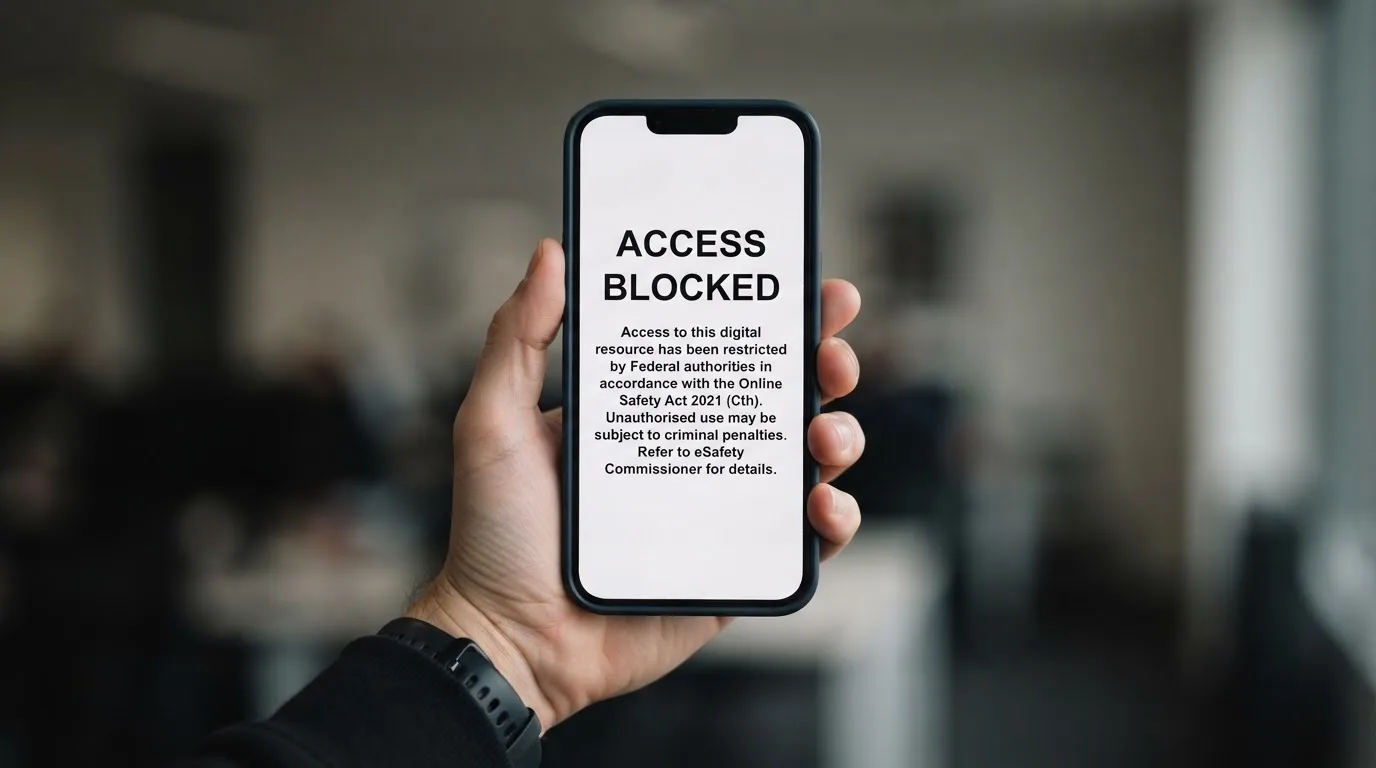
The second is the money that goes through the offshore channel rather than the legal one. H2 Gambling Capital’s 2026 estimate of A$3.9 billion a year in losses to illegal gambling sites is the closest the public record gets to a number for what the offshore offer costs Australian readers in aggregate. The legal land-based market lost A$12.18 billion on gaming machines in 2020–21 — most of it on the NSW and Victorian floors — and the legal market’s losses are the floor the offshore market is competing against. The 74-to-64 per cent slide in the legal channel’s share is the most useful single number for what the offshore channel has done to the legal one.
The cost to a single reader is harder to state. The expected loss on any session is turnover times one minus RTP, and a high-volatility release can absorb a small bankroll quickly without producing a feature trigger. The arithmetic depends on the title, the stake and the session length, and none of those are fixed by the marketing. What is fixed is the absence of recourse the moment anything goes wrong, and that absence is what the prohibition is the regulator’s answer to.
Where the law is heading
The Interactive Gambling Amendment (Gambling Reform) Bill 2026 passed Parliament on 19 August 2026, with advertising and inducement measures commencing on 1 January 2027. The Bill is law with a start date; on a 2026 page the start date has not arrived, and the in-force regime is still the Interactive Gambling Act 2001 as amended in 2017. The 2026 Bill tightens the inducement side — the affiliate marketing, the bonus offers, the “join now and get” hooks that drive Australian readers to offshore brands — and the start date is the moment those inducements become unlawful on top of the underlying offer.
The reform does not change the prohibition on offering online casino games. The 2001 Act already prohibits it, and the 2026 amendments add inducement offences around it. The reform is a tightening of the marketing layer, not a liberalisation of the offer.
A reader in 2026 looking at the law should know two things. First, the prohibition is the law in force today and the ACMA is enforcing it. Second, the inducement layer is tightening at the start of 2027, and an offshore brand whose marketing reaches an Australian reader by then is breaking a fresh set of rules on top of the old ones.
The verdict on the page’s own question
The question a search for “best new Australian online pokies” asks cannot be answered with a list of brands to play at. The brands that surface under that search have been warned or blocked by the ACMA, and none of them is licensed to offer the product to Australians. A shortlist is the form the search expects, and the form is incompatible with the legal position.
What can be done is the form this page takes: the gap named, the legal frame laid out, the ACMA’s enforcement record reported, the payment frame explained, the responsible-gaming tools listed, the brands that surface in search named for what they are, and the lawful alternatives identified. A reader who finishes the page knows what is available, what is not, what the offshore offer actually costs, and which tools exist if the cost is the reason to step away.
That is the page’s worth. It is not the page the search wanted. It is the page that is true.
Frequently asked questions
How much do Australians lose on gaming machines in a year?
In 2020–21 Australians bet almost A$150 billion through gaming machines and lost A$12.18 billion on them. New South Wales alone recorded A$8.18 billion in player losses in 2022–23 across 87,298 machines outside casinos. H2 Gambling Capital’s 2026 estimate puts losses to illegal offshore sites at roughly A$3.9 billion a year. The two figures are different sides of the same market — the legal licensed machines on one side, the offshore illegal offer on the other — and they are paid by the same wallets.
What counts as a new pokies release rather than an established one?
A “new release” is a title the studio has just put into distribution: a fresh theme, a fresh payline or ways structure, a declared RTP and volatility band, and a feature set the marketing leads with. The label is a catalogue convention rather than a regulatory one, and a title sits in a lobby’s “new” tab for the first four to eight weeks before drifting into the general catalogue. A flagship branded slot from a major studio can stay in the “new” slot longer because the studio is promoting it; a quieter release from a smaller studio can disappear in two weeks. Studios push new releases on a roughly monthly cadence, and the same handful of studios sit underneath most online lobbies.
Is it legal for an online casino to offer new pokies titles to Australians?
No. The Interactive Gambling Act 2001, strengthened by the Interactive Gambling Amendment Act 2017, makes it an offence to provide online casino games or online pokies to a person in Australia, and no state or territory issues a licence for it. The Interactive Gambling Amendment (Gambling Reform) Bill 2026, which passed Parliament on 19 August 2026, adds inducement offences that commence on 1 January 2027. The brand names that surface in search results are brands the ACMA has acted against under the existing law — formal warnings, blocking requests, and the running total of 1,751 blocked sites since November 2019. A reader in Australia opening an account with any of them is opening an account with a service the regulator has warned or blocked.
Can a new pokies bonus be claimed through a PayID deposit?
PayID and Osko work on the legal wagering side: the New Payments Platform settles a deposit from an Australian bank account into a licensed operator’s account in seconds. The credit-card ban of 11 June 2024 closed credit-card and crypto deposits on the licensed side, leaving debit card, bank transfer, PayID and BPAY as the legal routes. An offshore brand is not bound by the ban and may still accept a PayID deposit — the rail settles fast — but the Australian consumer protection that the legal side offers does not follow the money. The bonus is the marketing layer; the deposit method is the rail; the legal frame is the thing the marketing does not name.
Are new pokies titles tested before they appear on licensed club or pub floors?
Each Australian state and territory separately regulates the design and operation of poker machines. The minimum return-to-player is set per jurisdiction — 85 per cent in NSW, the Northern Territory and Queensland, 87 per cent at Crown Melbourne, 87.5 per cent in South Australia, 90 per cent in Western Australia — and the machines on a licensed venue floor carry state approval. The testing regime is the state regulator’s, and the state regulator is the body an Australian reader can complain to. Offshore brands are not tested by an Australian regulator and are not approved for an Australian venue floor; the catalogues on an offshore brand are whatever the brand decides to run.
Why does Australia have such a large share of the world’s poker machines?
Australia has about 3 per cent of the world’s pub and club poker machines with 0.3 per cent of the global population. Registered clubs operated the first legal machines from 1956 in New South Wales, and the state-by-state rollout has been uneven: Western Australia banned poker machines in pubs and clubs when Crown Perth opened in 1985; Tasmania held a single-operator monopoly from 1968 until November 2021, when legislation ended Federal Group’s monopoly and moved oversight to the Tasmanian Liquor and Gaming Commission. The density of machines relative to population is the product of seven decades of state-by-state licensing decisions, and the loss numbers — A$12.18 billion on machines in 2020–21, A$8.18 billion in NSW alone in 2022–23 — are the consequence.