Casino payments for Australians: the gap between advertised methods and lawful ones
 Available in US
A punter typing “best online casino payment methods” into a search engine is, on the Australian side of the screen, asking for something the country has decided not to sell. Under the Interactive Gambling Act 2001, no Australian jurisdiction issues a licence for online casino games, online pokies or in-play betting, and the law’s long arm reaches into the payment layer too — since 11 June 2024, Australian-licensed wagering services cannot even accept a credit card. The page that follows works the problem from both ends: what the offshore casino market advertises as a “payment method” for Australians, what those methods actually cost the person sending the money, and what the lawful alternatives look like for someone whose idea of a flutter stops at a licensed bookmaker, a pokie at the local pub, or the pokies room at Crown.
The data in this comparison was checked as of 23 September 2026 against the ACMA’s formal warning register and the published pages of the Australian banks and payment platforms named below.
Table of Contents
- Settlements, surcharges and the speed most operators quietly omit
- What the ACMA has done, brand by brand
- The blocking rate: how fast the ACMA’s list is growing
- What a lawful deposit route looks like, and why it looks the way it does
- The fundamentals: what a secure payment method actually buys
- Crypto and the anonymity question
- What the lawful Australian framework offers instead
- The other side of the brand table: warnings, operators and the rail behind them
- Frequently asked questions
Settlements, surcharges and the speed most operators quietly omit
A payment method is not one thing; it is three. There is the rail that moves the money, the institution that sits on the rail, and the rule the institution applies at the casino end. A deposit that “arrives instantly” can still be declined on the way back; a transfer that takes three days can still be the cheapest route in real dollars. Sorting the options begins with those three layers, not with the brand name at the top of the casino’s cashier page.
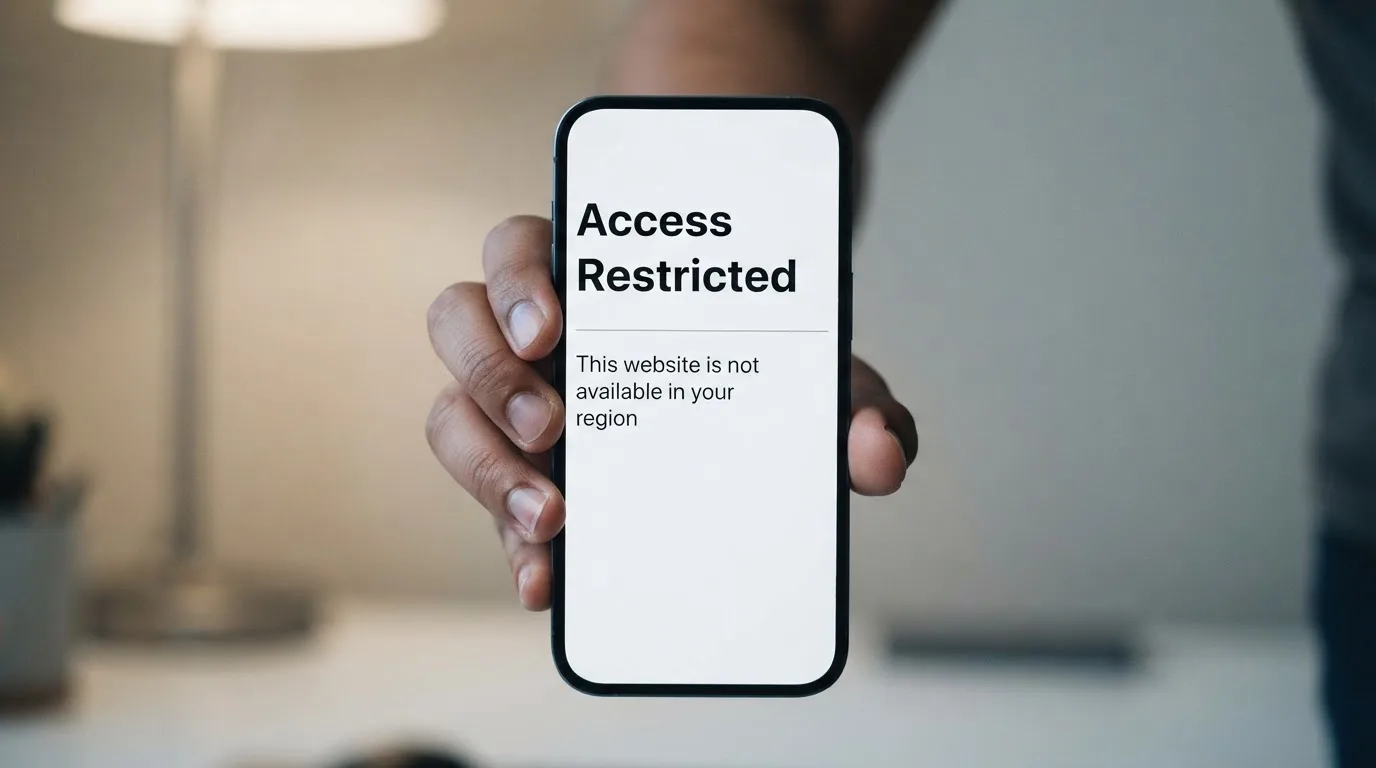
For Australian readers, the rails that actually matter are six. Osko, the instant settlement service run by Australian Payments Plus, moves a bank transfer between participating banks in under a minute, twenty-four hours a day, addressed either to a BSB and account number or to a PayID. PayID lets a payer type in something closer to an email or a phone number and see the recipient’s name on screen before the transfer goes. BPAY, the older bill-payment service, asks for a Biller Code and a Customer Reference Number printed on a bill and is built for the case where the recipient is a business rather than a person. Card payments travel through Visa, Mastercard, eftpos or American Express, with Apple Pay, Google Pay and Samsung Pay sitting on top as digital-wallet front ends. Then there is cryptocurrency, where the “rail” is a public blockchain and the institution is a wallet the punter controls. And, finally, there is the cash equivalent that the ACMA keeps naming in its blocking round: a plain bank transfer to a BSB and account number, which is the form a scam site most often asks for once the PayID-style “show your name” step is out of the way.
Each rail carries its own cost to the punter, and the cost is not always a fee.
Osko and PayID: the fastest rail, and the one that names the recipient
Osko is the speed layer of the New Payments Platform, the public-facing piece of which went live on 13 February 2018 under the ownership of New Payments Platform Australia Ltd, a non-profit whose thirteen shareholders include the Reserve Bank of Australia and the major banks. Over 25 million PayID identifiers had been registered on the platform by April 2025, and PayID-based instant transfers are available at over 100 Australian financial institutions. A bank transfer between participating Australian banks arrives in under a minute via Osko, twenty-four seven, whether addressed to a BSB and account number or to a PayID.
The cost to the punter sits in two places. The first is the time saving: a deposit that clears in forty seconds is a deposit that does not have to be “pending” while the punter waits to play. The second is the name check: paying to a PayID shows the name of the account holder before the transfer is sent. AP+ warns that being asked to transfer money to a PayID on an illegal gambling site almost certainly means a scam site. The blunt version is that PayID is the one rail where the punter can see, on their own screen, the name attached to the account they are about to pay — and a name that does not match the casino brand is, in itself, evidence.
The fragility sits at the merchant end. PayID and Osko are designed for person-to-person and small-business payments. They are not a checkout API, and a casino that wants to take them has to sit on the receiving side of an Australian bank account. That bank is, in turn, within reach of the gambling-block tools described further down, and it carries AUSTRAC’s reporting obligations. The same rail that lets a punter see the recipient’s name is the rail the recipient’s bank can see coming in.
Card payments: the surcharge the Reserve Bank wants to remove, and the credit ban already in force
Card payments for an Australian punter come in two layers. The first is the merchant surcharge, which the Reserve Bank of Australia’s July 2025 review proposes removing only on eftpos, Mastercard and Visa transactions, explicitly leaving American Express outside the scope of the proposed surcharge ban. American Express was established in 1850 as a freight-forwarding company and later became a card issuer, launching its first charge card on 1 October 1958; unlike Visa or Mastercard’s four-party network, Amex traditionally issues cards and processes transactions itself as a three-party scheme, and it is the reason the RBA has left it out of the proposed change.
The second layer is the credit ban. Under the Interactive Gambling Act 2001 as amended in 2023, Australian-licensed online wagering services cannot accept payment by credit card or other credit-related products, a restriction that also constrains gambling use of linked digital wallets like Apple Pay. By the end of 2025, Apple Pay, Google Pay and Samsung Pay transactions collectively accounted for around 45% of all card payments in Australia by number. Apple states that transaction limits and PIN requirements for Apple Pay purchases are set by the card issuer or merchant, not by Apple itself, and Apple does not charge fees to consumers for using Apple Pay in stores, online or in apps; any surcharge comes from the merchant’s own card-processing fees, not from Apple.
The cost to the punter is twofold. The first is the bank-side gambling block, which sits at the merchant category code level. Westpac’s gambling block works at card level: it refuses authorisation of transactions registered under the merchant category code ‘Betting/Casino Gambling’ on eligible personal credit and debit cards. ANZ’s gambling transaction block, activated in the ANZ app, also blocks gambling transactions made through a digital wallet such as Apple Pay on an eligible card, not just the physical card. Commonwealth Bank lets customers apply a gambling lock to eligible cards via the CommBank app, which automatically blocks most gambling transactions, though the bank states it cannot guarantee all gambling-related purchases will be stopped.
The second cost is the merchant end. ANZ warns that once a customer turns on ANZ’s gambling block, removing it again requires a 48-hour waiting period, and the bank adds that not all gambling transactions will be blocked and some non-gambling transactions might be blocked in error. A punter who hits the block at the cashier page of an offshore casino is not refunded the credit-card surcharge they did not see, because the transaction never reached the merchant.
BPAY: the slowest rail, and the one with the longest paper trail
BPAY is a bill-payment service in online banking: the payer enters the Biller Code and the Customer Reference Number printed on the bill. BPAY has operated in Australia since 1997, was launched on 18 November 1997, is available in the online banking of over 140 banks and financial institutions and is offered by over 95,000 businesses. BPAY was owned equally, via parent company Cardlink Services Limited, by Australia’s four major banks — ANZ, Commonwealth Bank, National Australia Bank and Westpac — and in September 2021 the ACCC authorised the merger of BPAY Group, eftpos and NPP Australia under a new holding entity, Australian Payments Plus (AP+). BPAY is run by Australian Payments Plus (AP+), the operator of PayID and Osko.
The cost is the reverse of Osko’s. A BPAY payment is not instant; it settles on the next business day for most billers, and the punter cannot reverse it the way a card chargeback can. That makes BPAY unsuited to a casino cashier — the punter wants to play now, not tomorrow — but it makes it the rail of choice for any lawful Australian wagering operator that wants a deposit to arrive with an audit trail that ties back to the customer reference. A punter who walks into a Crown cashier, or who funds a Sportsbet account, is paying through this rail rather than the instant one.
Bank transfer to a BSB and account number: the rail a scam site most often asks for
A plain bank transfer is what a site falls back to once PayID, Osko and the cards have all been declined at the merchant end or at the punter’s bank. It is also what AUSTRAC’s threshold-transaction-report rule does not cover: the rule, which requires reporting of transfers of A$10,000 or more, applies only to physical cash, so ordinary electronic bank transfers are not subject to that per-transaction reporting requirement regardless of the amount sent. The punter who wires A$2,000 to a BSB and account number attached to a casino is not, by virtue of the amount, on AUSTRAC’s radar. The reporting layer sits elsewhere — in the receiving bank’s own monitoring, in the gambling-block toggle on the punter’s own card, and in the ACMA’s formal warnings to the operator on the other end.
The cost here is the asymmetry of information. The punter sees a casino brand. The receiving account is, more often than not, in a name that does not match the brand, and the punter has no name check before the transfer goes — that is the difference between a PayID and a BSB transfer, and it is the one the AP+ warning is built around.
Cryptocurrency: the rail that names neither side
A cryptocurrency payment is the rail where the institution sits on both sides. The punter holds a wallet; the casino holds a wallet; the transaction settles on a public blockchain without a bank in between. There is no surcharge to the punter from a card network, no gambling block at the merchant category code, no PayID to refuse the transfer, and no AUSTRAC threshold report on the wire itself. The blockchain is the receipt.
The cost is the inverse. There is no name check, no merchant category code to block, no PayID to refuse, and no Australian consumer protection to walk the punter back through if the casino will not pay out. An offshore casino that takes Bitcoin has no obligation to refund a stuck withdrawal, and the punter who chose crypto for its unblocked nature has, by that same choice, given up the rail that would have done the blocking. Crypto is not harder to trace than a bank transfer in the technical sense — every transaction is on a public ledger — but it is harder to dispute, because the wallet does not answer to a regulator and the casino does not answer to an Australian one.
What the ACMA has done, brand by brand
The brands below are not a ranking and not a recommendation. Each one is named because the ACMA itself issued a formal warning over it for offering prohibited interactive gambling services to Australians, and each one carries the operator name the ACMA published at the time of the warning. The only Australia-facing reason to know that a brand has been warned is to know that it sits on the wrong side of the Interactive Gambling Act 2001, and that an Australian bank or payment platform is within its rights to refuse the transaction.
RocketPlay
The ACMA issued a formal warning to Pulsup Ltd over Rocketplay.com.au in March 2026, having earlier warned Dama N.V. over the same brand in May 2022. The site advertises a range of payment methods through affiliate listings, but those listings are not a record of what the site actually clears for an Australian punter — and the ACMA’s formal warning is a record that the site was offering prohibited services to Australians in the first place. The verdict is the same as the regulator’s: an offshore casino the ACMA has named twice is one an Australian punter should not be sending money to at all, whatever the cashier page accepts.
Level Up Casino
The ACMA issued a formal warning to Dama N.V. covering Level Up Casino in May 2022, alongside five other casino brands operated by the same company. As with RocketPlay, the brand’s payment methods are advertised in third-party listings rather than in a verified Australian deposit record. The punter’s question is not which card scheme Level Up’s cashier supports; it is whether the bank on the punter’s side will let the transaction through, and whether the ACMA’s gambling-block toggle on that bank will see a transaction coded under ‘Betting/Casino Gambling’ and refuse it. Banks have no reason to honour transactions to a brand warned by name under the IGA, and the gambling block serves as a concrete refusal on the banking layer.
Woo Casino
The ACMA issued a further formal warning to Dama N.V. over Woo Casino in March 2025, alongside a parallel warning over Spirit Casino in May 2025. Woo Casino carries no independently verified payment-method record in the material consulted, so the brand is named here on the ACMA warning alone. The punter reading this should take the warning as the operative fact and the cashier page as the marketing; the two do not have to agree, and where they disagree, the regulator’s record wins.
Spirit Casino
The ACMA issued a formal warning to Dama N.V. over Spirit Casino in May 2025, on the same Dama N.V. trail as Woo Casino. As with Woo, no independently verified payment-method record is available, and the brand is named on the ACMA’s record only. The verdict is the one a regulator’s formal warning implies: the punter’s bank is the rail, the rail has a gambling block, and the ACMA’s warning is the reason the punter’s bank has a gambling block.
National Casino
The ACMA issued a formal warning to Consolutetish S.R.L. over National Casino in July 2025, alongside a parallel warning over Bizzo Casino. National Casino is referenced in third-party listings, including pages maintained by the ACMA, AUSTRAC and BetStop, but the payment-method record those listings describe is not an Australian deposit record. The verdict is that an offshore casino the ACMA has named is one AUSTRAC’s framework reaches to on the receiving side, even if the punter’s wire is below the threshold-report number.
Bizzo Casino
The ACMA issued a formal warning to Consolutetish S.R.L. over Bizzo Casino in July 2025; Bizzo Casino had already been the subject of a 2022 formal warning to TechSolutions (CY) Group Limited and TechSolutions Group N.V. The brand has been warned twice, by two different operating entities, and that double record is the relevant one for the punter’s bank. As with National Casino, the payment-method listings are third-party rather than verified, and the verdict rests on the ACMA record.
Ignition Casino
The ACMA issued a formal warning to Bamboo Media over Ignition Casino in July 2025. Ignition Casino has no independently verified payment-method record in the material consulted, and is named here on the ACMA’s formal warning alone. The verdict is the same as for Woo and Spirit: a regulator’s formal warning is the operative fact, and the cashier page is the marketing.
Instant Casino
The ACMA issued a formal warning to EOD Code SRL over Instant Casino in February 2025. Instant Casino appears in third-party listings that name ecoPayz and PayID among its advertised methods, but those are listings, not an Australian deposit record. The punter’s question is the same one it is for every brand in this section: the rail the punter’s bank sits on has a gambling block, and the ACMA’s warning is the reason that block exists.
Jackbit
The ACMA issued a formal warning to Ryker B.V. over Jackbit in April 2026, alongside a parallel warning over CasinOK. Jackbit has no independently verified payment-method record in the material consulted, and is named on the ACMA’s record alone. For a brand warned under the IGA in 2026, refusal by an Australian bank is the standard outcome rather than an exception.
Casino Intense
The ACMA issued a formal warning to Sterplay Holding Ltd over Casino Intense in April 2025. Casino Intense is referenced in third-party listings, including pages maintained by AUSTRAC, BetStop and the affiliate sites, but the payment-method record those listings describe is not an Australian deposit record. The verdict is that a formal warning from the regulator serves as a clear signal for any Australian bank: the site operates outside the IGA, making the refused deposit a matter of standard practice rather than an error.
Sky Crown
The ACMA issued a formal warning to Hollycorn N.V. over Sky Crown, alongside a parallel warning over Blue Leo. Sky Crown lacks any record of supported payment methods in the material reviewed here, and is named on the ACMA’s record alone. The verdict is that a regulator’s formal warning is the operative fact for an Australian punter, and a cashier page is the marketing.
The blocking rate: how fast the ACMA’s list is growing
The ACMA’s blocking power is the part of the regime that does its work without the punter noticing. As of June 2026, the ACMA reports a total of 1,751 illegal gambling and affiliate marketing websites blocked since the first blocking request in November 2019, with more than 230 unlicensed gambling services having left the Australian market since enforcement was strengthened in 2017. The most recent round reported on 26 June 2026 asked Australian internet service providers to block 12 more illegal gambling websites: 7Signs, ChromaBet, Donbet, Duospin, Freshbet, Slots Gem, Jacks Club, Lucky Start, Pointsbetz.com, Spinrise, Vinyl Casino and Wildsino.
The arithmetic that matters is the running total against the date of the first blocking request. From November 2019 to June 2026 is roughly eighty months, and the running total of 1,751 blocked sites works out to a band of roughly twenty to twenty-two blocked sites per month on average across the full period. The early years were lighter, the recent years heavier, and the most recent single round alone is twelve sites. The block rate is not one figure; it is a band, and the band sits at the low end around twenty per month and at the high end closer to forty per month once the most recent reporting cadence is taken into account. What that band tells the punter is that the list a casino is sitting on today is, statistically, a list the ACMA will sweep into a blocking request within months.
The pace is not the only signal. The blocking power is a trailing indicator — it kicks in after the ACMA has investigated, issued a formal warning and waited out the compliance window — so the formal warning register is the leading indicator, and the running block total is the cumulative weight behind it. H2 Gambling Capital’s 2025 report estimates that Australians lose about A$3.9 billion a year to illegal gambling sites, and that the share of gambling going through legal channels fell from 74% in 2021 to 64%. The block list is growing because the illegal market is large enough to be worth growing into, and the punter’s payment method is the entry point that market defends.
What a lawful deposit route looks like, and why it looks the way it does
The lawful deposit routes for an Australian-licensed wagering operator are debit card, bank transfer, PayID/Osko and BPAY. Credit cards, credit-related products and digital currency are banned as payment for licensed online wagering since 11 June 2024, with penalties up to $247,500 for operators. A site asking an Australian for a credit card or a crypto deposit is, by that single question, operating outside the Australian rules.
The Northern Territory Racing and Wagering Commission regulates 52 of Australia’s online bookmakers — including Sportsbet, Bet365 and Ladbrokes — which are licensed in the Territory for tax reasons; the commission has no full-time staff and meets once a month in Darwin. The reason a punter in Sydney funds a Sportsbet account through PayID or BPAY rather than through an offshore cashier is that the licensed bookmaker sits inside the Australian framework, and the framework is what gives the punter a complaints body and a withdrawal right. The deposit route is downstream of the licence; it is the same payment rail an illegal site can ask for, but the licensed operator is the one whose bank account it lands in.
The 2026 reform: the Interactive Gambling Amendment (Gambling Reform) Bill 2026 passed Parliament on 19 August 2026; its advertising and inducement measures commence 1 January 2027. The law is passed but not yet in force, and an 2026 page should treat it as a date the punter will read about in the next six months rather than as a rule that already applies to today’s cashier page.
The fundamentals: what a secure payment method actually buys
A payment method is “secure” only when three things are true at once. The rail moves the money. The institution on the rail will tell the punter who is on the other end. And the regulator on the punter’s side can reach the institution on the other end if the money disappears.
A PayID scores on all three: the rail is Osko, the institution is an Australian bank that has agreed to the New Payments Platform rules, and the regulator is AUSTRAC and the ACMA. A bank transfer to a BSB scores on the first and third but not the second, because there is no name check before the transfer goes. A credit card scores on the second and third but not the first, because the credit ban in the IGA means an Australian-licensed operator cannot take one. Cryptocurrency scores on the first and not on the third, because no Australian regulator reaches into the receiving wallet.
A “fast” payment method that fails any of the three is a payment method the punter has chosen for its speed and is paying for in something else. The vendor’s marketing page never states the trade-off, because the trade-off is the vendor’s gain and the punter’s loss.
Gambling blocks at the Australian banks
Westpac’s gambling block refuses authorisation of transactions registered under the merchant category code ‘Betting/Casino Gambling’ on eligible personal credit and debit cards. ANZ’s block, activated in the ANZ app, also blocks gambling transactions made through a digital wallet such as Apple Pay on an eligible card; once activated, removing it again requires a 48-hour waiting period. Commonwealth Bank’s lock, applied via the CommBank app, automatically blocks most gambling transactions, though the bank states it cannot guarantee all gambling-related purchases will be stopped.
The three banks do not all behave the same way. ANZ’s block extends to digital wallets, Westpac’s works at card level on the merchant category code, and CommBank’s lock is app-applied. The punter who has set a block on one bank is not protected on another, and a punter who has not set a block is at the mercy of the bank’s default. The bank-side block is the layer that decides whether the punter’s chosen rail actually clears, and it is the layer an offshore casino has no influence over.
Crypto and the anonymity question
The anonymity question is a framing problem, not a technology one. A bank transfer is not anonymous to the bank; a PayID is not anonymous to the recipient; a card payment is not anonymous to the scheme. The punter who asks about crypto is asking whether a rail exists that the receiving institution cannot be asked about, and the answer is yes — but the same rail is the one without a name check, without a chargeback and without an Australian complaints body. The trade is not between “traced” and “untraced”; it is between “auditable” and “unauditable”, and the cost of the unauditable rail is paid at the withdrawal end rather than the deposit end.
The punter who values anonymity at the deposit stage is, by definition, optimising for the moment the money leaves their account and pessimising for the moment the casino is asked to give it back. Crypto solves the first problem and worsens the second, because the wallet on the other side is the only thing that matters when the withdrawal stalls, and a wallet has no manager to write to.
What the lawful Australian framework offers instead
The lawful Australian framework is not a casino market. It is a wagering market on races and sport placed before the event, a lottery and keno market, and a land-based casino and pub-pokies market. The minimum age is 18. The punter’s payment method on the licensed side is the bank transfer, the PayID, the Osko instant, the BPAY bill-payment and the debit card — and the licensed operator is the institution that gives the punter a withdrawal right and a complaints body.
BetStop, the National Self-Exclusion Register, has been live since August 2023, but it binds only Australian-licensed online and phone wagering services — an offshore casino is not connected to it. The National Gambling Helpline is on 1800 858 858, free, twenty-four seven, with chat at Gambling Help Online. The punter who is reading this from Australia and looking for a “best online casino payment method” is, on the lawful side of the screen, looking for a payment method to a Sportsbet account, a Bet365 account, a Ladbrokes account, or to a pokie at the local pub; on the unlawful side, the question reads differently, and the answer is the ACMA’s blocking list.
The other side of the brand table: warnings, operators and the rail behind them
The table below lines up the eleven brands named in the formal-warning section against the rail their casino sits behind. The “operator named by the ACMA” column is the name the ACMA published at the time of the warning; the “ACMA action and date” column is the action and the date as it appears on the ACMA’s register. The “subject support” column records what the third-party listings actually say about the brand’s payment-method coverage, and an em dash marks a brand with no independently verified payment-method record in the listings consulted.
| Brand | ACMA action and date | Operator named by the ACMA | Subject support |
|---|---|---|---|
| RocketPlay | Formal warning, March 2026 (also May 2022) | Pulsup Ltd (Rocketplay.com.au); earlier Dama N.V. | Listings name payment methods; no Australian deposit record. |
| Level Up Casino | Formal warning, May 2022 | Dama N.V. | Listings name payment methods; no Australian deposit record. |
| Woo Casino | Formal warning, March 2025 | Dama N.V. | — |
| Spirit Casino | Formal warning, May 2025 | Dama N.V. | — |
| National Casino | Formal warning, July 2025 | Consolutetish S.R.L. | Listings name PayID, BPAY, debit card; not an Australian deposit record. |
| Bizzo Casino | Formal warning, July 2025 (also 2022) | Consolutetish S.R.L.; earlier TechSolutions | Listings name payment methods; no Australian deposit record. |
| Ignition Casino | Formal warning, July 2025 | Bamboo Media | — |
| Instant Casino | Formal warning, February 2025 | EOD Code SRL | Listings name ecoPayz and PayID; not an Australian deposit record. |
| Jackbit | Formal warning, April 2026 | Ryker B.V. | — |
| Casino Intense | Formal warning, April 2025 | Sterplay Holding Ltd | Listings name payment methods; no Australian deposit record. |
| Sky Crown | Formal warning (no precise month on the register) | Hollycorn N.V. | — |
The brands with an em dash in the “subject support” column are not brands whose cashier pages are empty; they are brands whose payment-method coverage is not recorded in the listings the regulator and the affiliate sites maintain, and the audit reads that absence as the absence of a record rather than as the absence of methods. The brands with a listings-only entry are brands whose third-party coverage exists but does not amount to an Australian deposit record — a record that would have to come from the bank on the punter’s side, not from the affiliate page.
Frequently asked questions
What payment methods are commonly advertised by online casinos targeting Australians?
The offshore casino market targeting Australians advertises a wide range: Visa, Mastercard, American Express, bank transfer, PayID-style identifiers, ecoPayz, Bitcoin, Ethereum and a handful of smaller e-wallets. The list is long because the affiliate pages are long; the rail behind each entry is short. An Australian-licensed bookmaker is constrained to debit card, bank transfer, PayID/Osko and BPAY, and a site asking for a credit card or a crypto deposit is operating outside the Australian rules.
How does an Osko transfer compare with a card payment for speed?
An Osko transfer between participating Australian banks arrives in under a minute, twenty-four seven, addressed either to a BSB and account number or to a PayID. A card payment is, in the merchant’s view, instant at the point of sale, but the bank’s gambling-block toggle sits on the same merchant category code the card uses, and an Australian-licensed wagering operator cannot accept a credit card at all since 11 June 2024. The speed comparison depends on which side of the rail the punter is measuring.
Is it legal for an online casino to process payments from players in Australia?
It is an offence under the Interactive Gambling Act 2001, strengthened by the Interactive Gambling Amendment Act 2017, to provide online casino games to a person in Australia, and no state or territory licenses them. The ACMA investigates, issues formal warnings and directs internet service providers to block illegal sites. The individual player is not prosecuted — the IGA targets the provider — but an offshore site gives no Australian consumer protection, no complaints body and no recourse if a withdrawal is refused, and it can be blocked with a balance still on it.
Are cryptocurrency payments harder to trace than a bank transfer?
Every cryptocurrency transaction is on a public ledger, so the blockchain is not anonymous in the technical sense. What cryptocurrency removes is the institution in the middle: there is no Australian bank to write to, no merchant category code to refuse the transaction and no AUSTRAC threshold report on the wire. The cost is paid at the withdrawal end, where the wallet on the receiving side has no manager to dispute a stuck payout through.
What makes a casino payment method secure rather than just fast?
Three things have to be true at once: the rail moves the money, the institution on the rail tells the punter who is on the other end, and the regulator on the punter’s side can reach the institution on the other end if the money disappears. A PayID scores on all three. A bank transfer to a BSB scores on the first and third but not the second, because there is no name check before the transfer goes. Cryptocurrency scores on the first and not the third.
Does PayID offer any extra protection compared with a BSB and account number?
PayID shows the name of the account holder before the transfer is sent, and AP+ warns that being asked to transfer money to a PayID on an illegal gambling site almost certainly means a scam site. A BSB and account number carries no name check at the punter’s end. PayID-based instant transfers are available at over 100 Australian financial institutions, and over 25 million PayID identifiers had been registered on Australia’s New Payments Platform by April 2025.
Written by the editors at Casino Slots Info AU.